Shenzhen Simpsons Refrigeration Technology Co., Ltd.





In the global industrial temperature control field, we are pragmatic and innovative pioneers, providing energy-saving and innovative solutions for global industrial development, which is our ideal pursuit of hard work.

Focusing on the field of industrial temperature control, let China's energy-saving solutions nourish the world
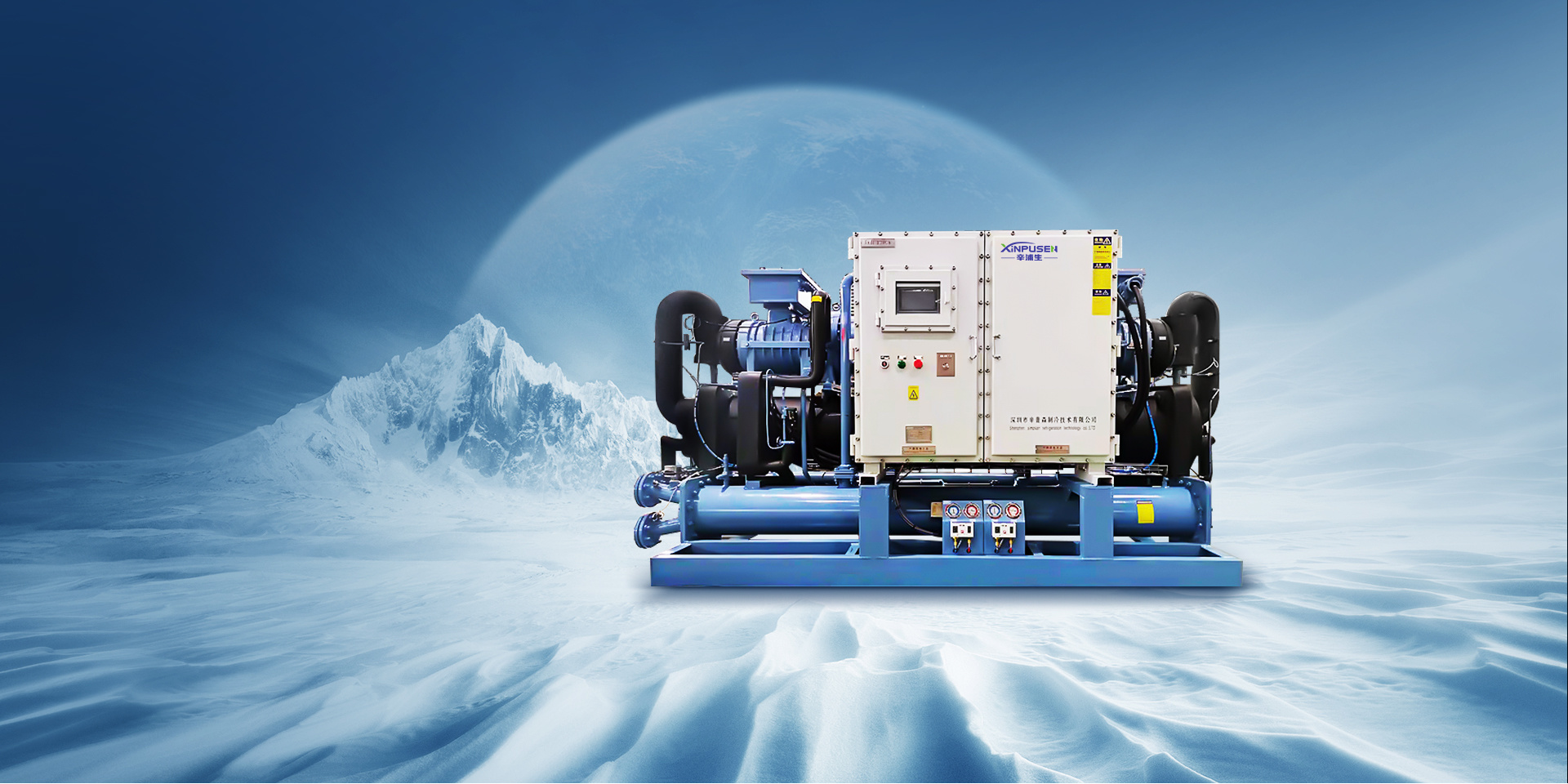
For products, we are seekers of perfection and excellence

Follow Simpson for the latest news

If you have any needs or suggestions, please contact us
 CN
CN EN
EN
News and Information
Follow Simpson for the latest news
The Economic Advantages of Magnetic Levitation Chillers for Manufacturers
2025-05-14 14:40
The Economic Advantages of Magnetic Levitation Chillers for Manufacturers
Introduction
In today's competitive manufacturing landscape, efficiency and cost-effectiveness are paramount. As manufacturers strive to optimize their operations, the choice of cooling systems has become a vital consideration. Magnetic levitation chillers, an innovative cooling solution, have emerged as a game-changer. This article explores the economic advantages of magnetic levitation chillers for manufacturers, detailing how they can significantly impact the bottom line while promoting sustainability.
Understanding Magnetic Levitation Chillers
What are Magnetic Levitation Chillers?
Magnetic levitation chillers utilize magnetic fields to levitate the rotor within the compressor, eliminating physical contact with mechanical bearings. This advanced technology reduces friction, leading to increased efficiency and lower maintenance costs.
Key Features of Magnetic Levitation Chillers
Some noteworthy features include:
- **High Efficiency**: These chillers operate at higher efficiencies compared to traditional systems, resulting in lower energy consumption.
- **Low Noise Operation**: With fewer moving parts, magnetic levitation chillers produce minimal noise, making them ideal for environments where noise reduction is crucial.
- **Extended Lifespan**: Reduced wear and tear due to the absence of mechanical contact extends the operational life of the system.
The Economic Impact of Magnetic Levitation Chillers
Reduced Energy Costs
One of the most significant economic advantages of magnetic levitation chillers is their **exceptional energy efficiency**. Manufacturers can expect to see a considerable reduction in energy costs, as these chillers can operate at efficiencies that exceed conventional units by up to 30%. This reduction in energy consumption directly translates into lower utility bills, which can have a profound impact on the overall operating costs of a manufacturing facility.
Lower Maintenance Expenses
Traditional chillers require regular maintenance due to mechanical wear and tear. In contrast, magnetic levitation chillers experience less wear, leading to:
- **Fewer Service Intervals**: Manufacturers can expect longer intervals between required maintenance sessions.
- **Reduced Parts Replacement**: With fewer mechanical components, the likelihood of parts failure diminishes, lowering replacement costs.
Improved Operational Efficiency
The advanced technology of magnetic levitation chillers allows for:
- **Enhanced Cooling Performance**: These chillers provide consistent cooling, essential for manufacturing processes sensitive to temperature fluctuations.
- **Quick Response Times**: Magnetic levitation chillers can adapt to varying loads more rapidly, ensuring optimal performance without energy waste.
Environmental Benefits and Cost Savings
Lower Carbon Footprint
Magnetic levitation chillers not only benefit manufacturers economically but also environmentally. Their high efficiency results in reduced energy consumption, which in turn lowers greenhouse gas emissions. By implementing these chillers, manufacturers can take steps toward sustainability while enjoying significant cost savings.
Eligibility for Incentives and Rebates
Many governments and organizations offer financial incentives for businesses that adopt energy-efficient technologies. By investing in magnetic levitation chillers, manufacturers may qualify for rebates, tax credits, or other financial rewards, further enhancing the economic advantages of this technology.
Case Studies: Real-World Applications
Industry Leaders Embracing Magnetic Levitation Technology
Several leading manufacturers have successfully integrated magnetic levitation chillers into their operations, showcasing the technology's economic advantages:
- **Automotive Manufacturing**: A prominent automotive manufacturer reported a 25% reduction in energy costs after implementing magnetic levitation chillers in their production facilities. The reduced maintenance costs also played a crucial role in boosting their profit margins.
- **Food and Beverage Industry**: A major food processing company adopted magnetic levitation chillers and noticed improvements in product quality due to consistent temperature control, alongside a significant drop in energy consumption.
Factors to Consider When Choosing Magnetic Levitation Chillers
Initial Investment vs. Long-Term Savings
While the initial investment for magnetic levitation chillers may be higher compared to traditional systems, the long-term savings on energy and maintenance make them a financially sound choice. Manufacturers should conduct a cost-benefit analysis to understand the payback period for their investment fully.
Integration with Existing Systems
Manufacturers must consider how magnetic levitation chillers will integrate with their existing HVAC systems. A qualified technician can help assess compatibility and ensure a seamless transition to this advanced cooling technology.
Frequently Asked Questions (FAQs)
1. What is the lifespan of magnetic levitation chillers?
Magnetic levitation chillers typically have a longer lifespan than traditional chillers, often exceeding 20 years, due to reduced mechanical wear.
2. Are magnetic levitation chillers suitable for all manufacturing processes?
Yes, they can be adapted for various manufacturing processes, especially those requiring precise temperature control.
3. How do magnetic levitation chillers compare to traditional chillers in terms of noise levels?
Magnetic levitation chillers operate significantly quieter than traditional chillers due to fewer moving parts and mechanical interactions.
4. Can I expect immediate cost savings after installing magnetic levitation chillers?
While energy savings can be seen shortly after installation, the overall return on investment typically becomes more apparent over time as maintenance costs decrease and energy use stabilizes.
5. Are there specific maintenance requirements for magnetic levitation chillers?
While they require less maintenance than traditional systems, regular inspections and periodic cleaning are still recommended to ensure optimal performance.
Conclusion
The economic advantages of magnetic levitation chillers for manufacturers are clear. From reduced energy costs and lower maintenance expenses to enhanced operational efficiency, these advanced cooling systems present a compelling case for manufacturers looking to improve their bottom line. As industries continue to prioritize sustainability and cost-effectiveness, investing in magnetic levitation chillers represents a forward-thinking approach that not only enhances profitability but also contributes to a greener future. Transitioning to this innovative technology is not just a choice for today but a strategic move for tomorrow's manufacturing landscape.
Previous: Understanding Explosion-Proof Chiller Groups: Essential Insights for Industrial Applications
More Information
2026-06-08
How a Water Temperature Control System Enhances Industrial Cooling

2026-06-01
Understanding Water Temperature Control Systems in Industrial Cooling Applications
2026-05-25
2026-05-18
Understanding Low Temperature Cooling Systems: A Comprehensive Guide
2026-06-08
How a Water Temperature Control System Enhances Industrial Cooling
Subscribe to our instant updates
Providing energy-efficient and innovative solutions for global industrial development

Shenzhen Longhua District, Huan Guan South Road, Mayuan Industrial Zone, XINPUSEN Industrial Park
0755-21017010
189-2749-0225
0755-23771793

Scan to add WeChat
© COPYRIGHT 2024 Shenzhen Xinpusen Refrigeration Technology Co., Ltd. ALL RIGHTS RESERVED Powered by www.300.cn