Shenzhen Simpsons Refrigeration Technology Co., Ltd.





In the global industrial temperature control field, we are pragmatic and innovative pioneers, providing energy-saving and innovative solutions for global industrial development, which is our ideal pursuit of hard work.

Focusing on the field of industrial temperature control, let China's energy-saving solutions nourish the world
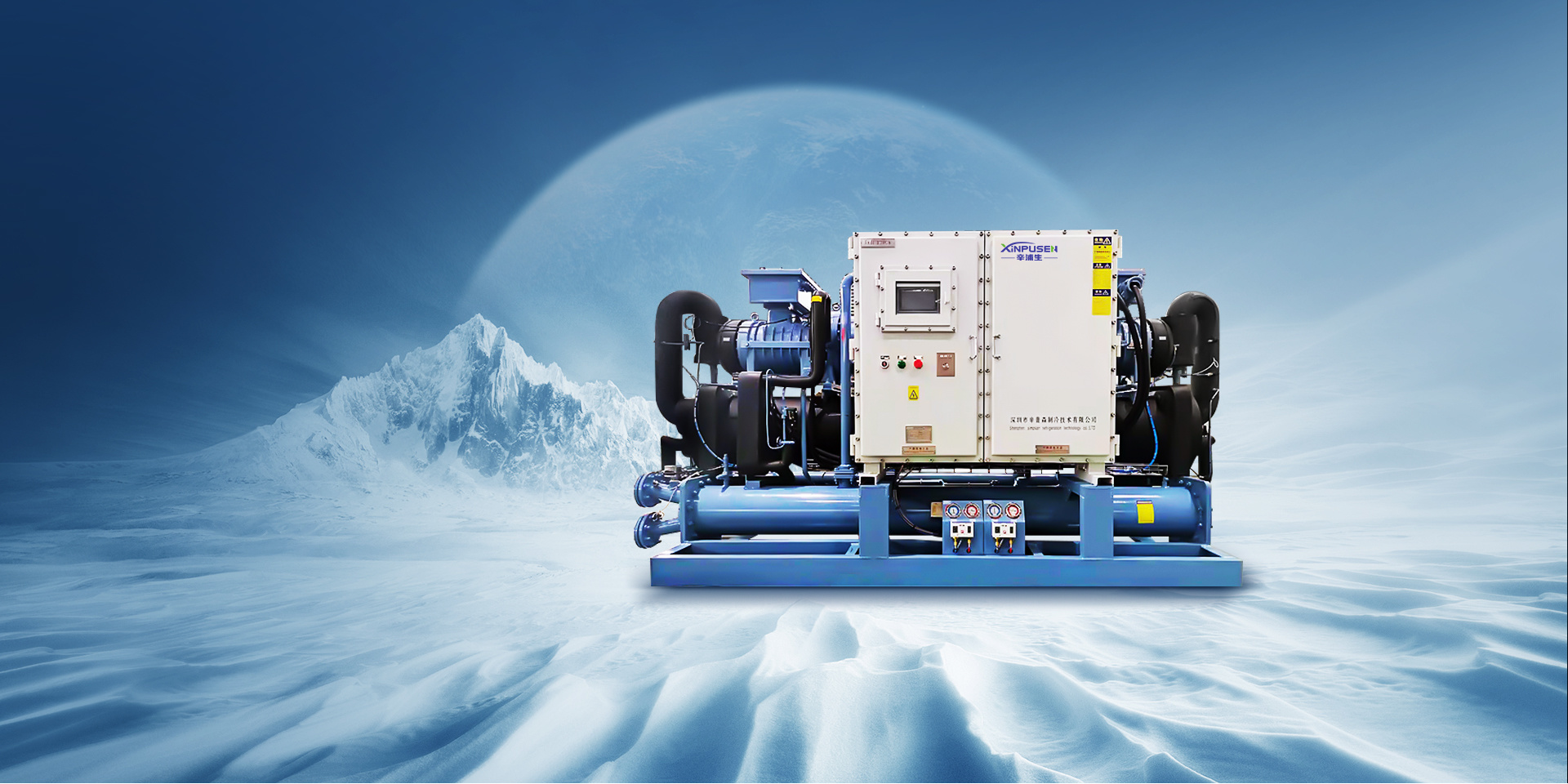
For products, we are seekers of perfection and excellence

Follow Simpson for the latest news

If you have any needs or suggestions, please contact us
 CN
CN EN
EN
News and Information
Follow Simpson for the latest news
Understanding the Benefits and Functionality of Double-Stage Low Temperature Chillers
2025-10-06 10:20
The primary feature of a double-stage low temperature chiller is its ability to achieve lower operating temperatures by utilizing two distinct refrigeration cycles. This dual-stage operation allows the system to handle higher heat loads while maintaining efficiency. The first stage compresses the refrigerant to a medium pressure, which is then condensed and expanded to a lower pressure in the second stage. This process enables the chiller to reach temperatures as low as -40°C, providing exceptional cooling performance for various industrial processes.
One of the significant advantages of double-stage low temperature chillers is their energy efficiency. By optimizing the refrigeration cycle, these chillers can operate with lower energy consumption compared to traditional single-stage systems. This not only translates to cost savings on energy bills but also contributes to a lower environmental impact—a crucial consideration for many industries today.
Moreover, double-stage chillers are equipped with advanced controls and monitoring systems that enhance their operational efficiency. These systems allow for precise temperature regulation, ensuring that processes remain stable and within designated parameters. This level of control is particularly beneficial in industries such as pharmaceuticals, food processing, and semiconductor manufacturing, where temperature fluctuations can lead to product degradation or loss of quality.
In addition to their energy efficiency and precise control, double-stage low temperature chillers are also known for their reliability and longevity. The design of these systems often incorporates high-quality materials and components, which helps to reduce wear and tear and prolong the lifespan of the equipment. Regular maintenance and monitoring can further ensure optimal performance and minimize downtime.
In conclusion, double-stage low temperature chillers play a vital role in maintaining efficient and reliable cooling in various industrial applications. Their ability to achieve low temperatures while providing energy efficiency and precise control makes them an invaluable asset in today’s manufacturing and processing environments. Understanding the functionality and benefits of these chillers can help industries make informed decisions about their cooling requirements, ultimately leading to improved productivity and product quality. Whether you are exploring options for existing operations or planning new installations, considering a double-stage low temperature chiller could be a key factor in achieving your cooling objectives.
Previous: Understanding the Benefits of a Double-Stage Low Temperature Chiller: A Comprehensive Guide
More Information

2026-07-15
Understanding Low Temperature Refrigeration Systems: A Comprehensive Guide

2026-07-08

2026-07-01
Exploring Ultra Low Temperature Chillers: Innovations and Applications in Industrial Cooling
2026-06-24
Why Your Industrial Operations Need an Ultra Low Temperature Chiller
2026-07-15
Understanding Low Temperature Refrigeration Systems: A Comprehensive Guide
Subscribe to our instant updates
Providing energy-efficient and innovative solutions for global industrial development

Shenzhen Longhua District, Huan Guan South Road, Mayuan Industrial Zone, XINPUSEN Industrial Park
0755-21017010
189-2749-0225
0755-23771793

Scan to add WeChat
© COPYRIGHT 2024 Shenzhen Xinpusen Refrigeration Technology Co., Ltd. ALL RIGHTS RESERVED Powered by www.300.cn