Shenzhen Simpsons Refrigeration Technology Co., Ltd.





In the global industrial temperature control field, we are pragmatic and innovative pioneers, providing energy-saving and innovative solutions for global industrial development, which is our ideal pursuit of hard work.

Focusing on the field of industrial temperature control, let China's energy-saving solutions nourish the world
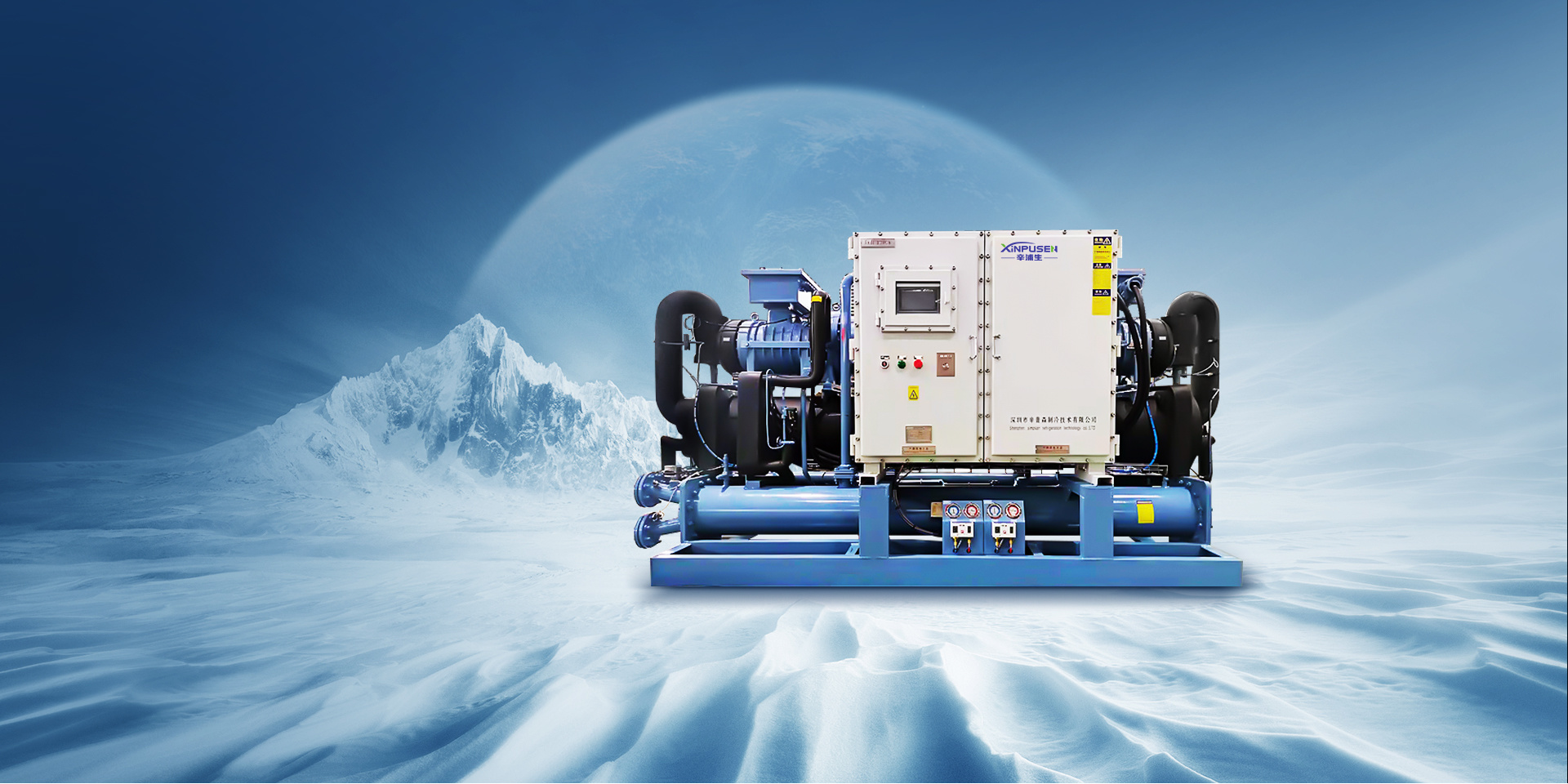
For products, we are seekers of perfection and excellence

Follow Simpson for the latest news

If you have any needs or suggestions, please contact us
 CN
CN EN
EN
News and Information
Follow Simpson for the latest news
How to select a chiller? Master 6 aspects, even beginners can do it
2025-01-23 09:24
Simpson Group is a large-scale refrigeration equipment manufacturing plant, originating from advanced German refrigeration technology. We specialize in producing: chillers, industrial chillers, screw chillers, flooded chillers, low-temperature ice water machines, air-cooled and water-cooled chillers, explosion-proof chillers, customized chillers, semi-hermetic condensing units, screw-type condensing units, and other refrigeration equipment. We are a CCTV Brand Plan China Preferred Brand. Welcome to contact us!
Industry professionals often complain about the difficulty of choosing chillers. After comparing the proposals from two or three companies, the options seem very similar, yet the prices differ dramatically! Choosing a chiller is like finding a "partner" for your company's production equipment; it needs to be a good match, and the right choice will last a long time.
A bad choice may result in poor refrigeration effects, energy waste, or other problems. Therefore, understanding the basic selection knowledge of chillers is truly necessary for industrial producers.
How can you choose the optimal chiller unit for your company's production? Below, we have compiled six aspects for your consideration.
1. What temperature difference do you require?
For example, how much material needs to be cooled to what temperature in how much time? This is an important reference for choosing the right type of chiller.
2. Consider the most energy-efficient option
If you are using chillers for large-scale industrial purposes, you should pay attention to energy consumption. Choose chiller units that make comprehensive use of electricity, heat, and cold, such as water-cooled screw heat recovery units. These can recover the originally discarded condensation heat, achieving both refrigeration and heating functions, thus achieving the best refrigeration effect while saving energy and reducing emissions.
3. Is collaborative work of chiller units required?
Consider whether your company's production requires multiple chiller units. For example, cold storage requires stable and continuous refrigeration, and if one chiller fails, other chillers need to take over. Explain your company's production situation to the chiller manufacturer.
4. Are there any environmental requirements?
The operation of chillers can also cause environmental problems, such as whether the refrigerant is toxic, whether the operating noise is high, and whether it will affect the surrounding environment. When selecting chillers, these requirements must be clearly communicated to the manufacturer.
5. Requirements for cooling water quality
The quality of the cooling water affects the cleanliness of the pipes, especially the evaporator. Poor cooling water quality can accelerate scaling and corrosion of the pipes, leading to blockage and damage of the evaporator. Please inform the manufacturer during the selection process.
6. Explosion-proof and vibration and other special requirements
Chillers often operate in harsh conditions and frequently come into contact with flammable dust, explosive gases, and other special substances. Therefore, companies will have higher explosion-proof and anti-vibration requirements. In this case, consult with relevant technical personnel within the company to determine if the chiller's operating environment is in a flammable or explosive area. Consult with the chiller manufacturer to determine if explosion-proof processing is possible, the explosion-proof level, and match the most suitable chiller unit based on comprehensive refrigeration needs.
If your company's production process requires customized chiller units, consider your company's actual situation in advance, starting from the six points above to develop chiller unit requirements, and choose a chiller manufacturer with a full range of brands, qualifications, and reputation to cooperate with.
Previous: Regularly checking these 9 parts of the chiller can save you money, something your peers won't tell you!
More Information

2026-07-22
How Low Temperature Refrigeration Systems Enhance Industrial Efficiency

2026-07-15
Understanding Low Temperature Refrigeration Systems: A Comprehensive Guide
2026-07-08

2026-07-01
Exploring Ultra Low Temperature Chillers: Innovations and Applications in Industrial Cooling
2026-07-22
How Low Temperature Refrigeration Systems Enhance Industrial Efficiency
Subscribe to our instant updates
Providing energy-efficient and innovative solutions for global industrial development

No. 26, Xin Yuan South Road, Shalu, Tangxia Town,Dongguan City, Guangdong Province; Building 1, Yongsheng Technology Industrial Park
0755-21017010
189-2749-0225
0755-23771793

Scan to add WeChat
© COPYRIGHT 2024 Shenzhen Xinpusen Refrigeration Technology Co., Ltd. ALL RIGHTS RESERVED Powered by www.300.cn