Shenzhen Simpsons Refrigeration Technology Co., Ltd.





In the global industrial temperature control field, we are pragmatic and innovative pioneers, providing energy-saving and innovative solutions for global industrial development, which is our ideal pursuit of hard work.

Focusing on the field of industrial temperature control, let China's energy-saving solutions nourish the world
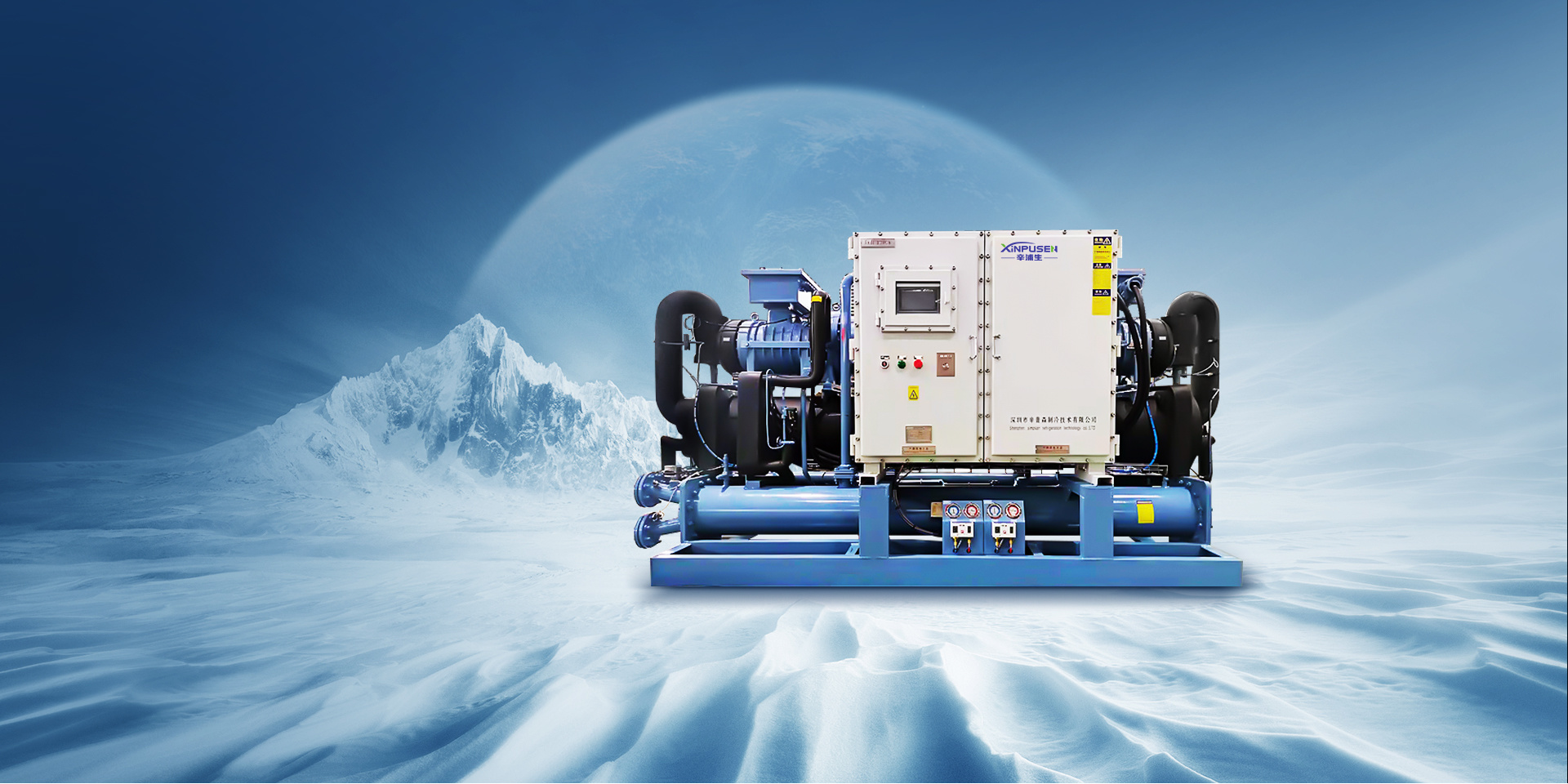
For products, we are seekers of perfection and excellence

Follow Simpson for the latest news

If you have any needs or suggestions, please contact us
 CN
CN EN
EN
News and Information
Follow Simpson for the latest news
Understanding Double-Stage Low Temperature Chillers: Efficiency and Applications
2025-10-20 10:20
The core functionality of a double-stage low temperature chiller lies in its ability to utilize two distinct compression stages to achieve significantly lower temperatures than single-stage systems. This dual-stage process allows for improved efficiency and higher cooling capacities, making it ideal for applications where maintaining a specific temperature range is crucial. By employing two compressors, these systems can manage a wider range of evaporating temperatures, reducing energy consumption while delivering consistent cooling performance.
One of the primary advantages of double-stage low temperature chillers is their energy efficiency. By optimizing the refrigeration cycle, these chillers minimize the overall power consumption required to maintain low temperatures. This not only helps in reducing operational costs but also contributes to a more sustainable industrial environment. Furthermore, the advanced temperature control offered by these systems enhances product quality and consistency, which is especially important in sensitive processes.
Another notable feature of double-stage low temperature chillers is their versatility. They can be employed in a variety of applications, such as cooling machinery in manufacturing processes, preserving temperature-sensitive materials during transport, or maintaining optimal conditions in laboratory settings. The ability to adapt to different operational demands makes these chillers a valuable asset in industries that rely on precise thermal management.
Maintenance is also a key aspect of ensuring the longevity and efficiency of double-stage low temperature chillers. Regular checks and servicing of the system can prevent costly breakdowns and ensure that the equipment continues to operate at peak performance. It is essential for users to stay informed about the best practices for upkeep, including cleaning the condenser coils and monitoring refrigerant levels.
In summary, double-stage low temperature chillers play a crucial role in various industrial applications by providing efficient, reliable cooling solutions. Their design allows for significant energy savings and adaptability to different operational needs, making them an indispensable tool in modern industrial refrigeration. Understanding their functionality and maintenance requirements can help businesses make informed decisions that enhance productivity and sustainability in their operations.
Previous: china double-stage low temperature chiller
More Information

2026-07-15
Understanding Low Temperature Refrigeration Systems: A Comprehensive Guide

2026-07-08

2026-07-01
Exploring Ultra Low Temperature Chillers: Innovations and Applications in Industrial Cooling
2026-06-24
Why Your Industrial Operations Need an Ultra Low Temperature Chiller
2026-07-15
Understanding Low Temperature Refrigeration Systems: A Comprehensive Guide
Subscribe to our instant updates
Providing energy-efficient and innovative solutions for global industrial development

Shenzhen Longhua District, Huan Guan South Road, Mayuan Industrial Zone, XINPUSEN Industrial Park
0755-21017010
189-2749-0225
0755-23771793

Scan to add WeChat
© COPYRIGHT 2024 Shenzhen Xinpusen Refrigeration Technology Co., Ltd. ALL RIGHTS RESERVED Powered by www.300.cn