Shenzhen Simpsons Refrigeration Technology Co., Ltd.





In the global industrial temperature control field, we are pragmatic and innovative pioneers, providing energy-saving and innovative solutions for global industrial development, which is our ideal pursuit of hard work.

Focusing on the field of industrial temperature control, let China's energy-saving solutions nourish the world
For products, we are seekers of perfection and excellence

Follow Simpson for the latest news

If you have any needs or suggestions, please contact us
 CN
CN EN
EN
News and Information
Follow Simpson for the latest news
Understanding Low Temp Water-Cooled Screw Chillers: Efficient Cooling Solutions for Industrial Applications
2025-08-29 14:18
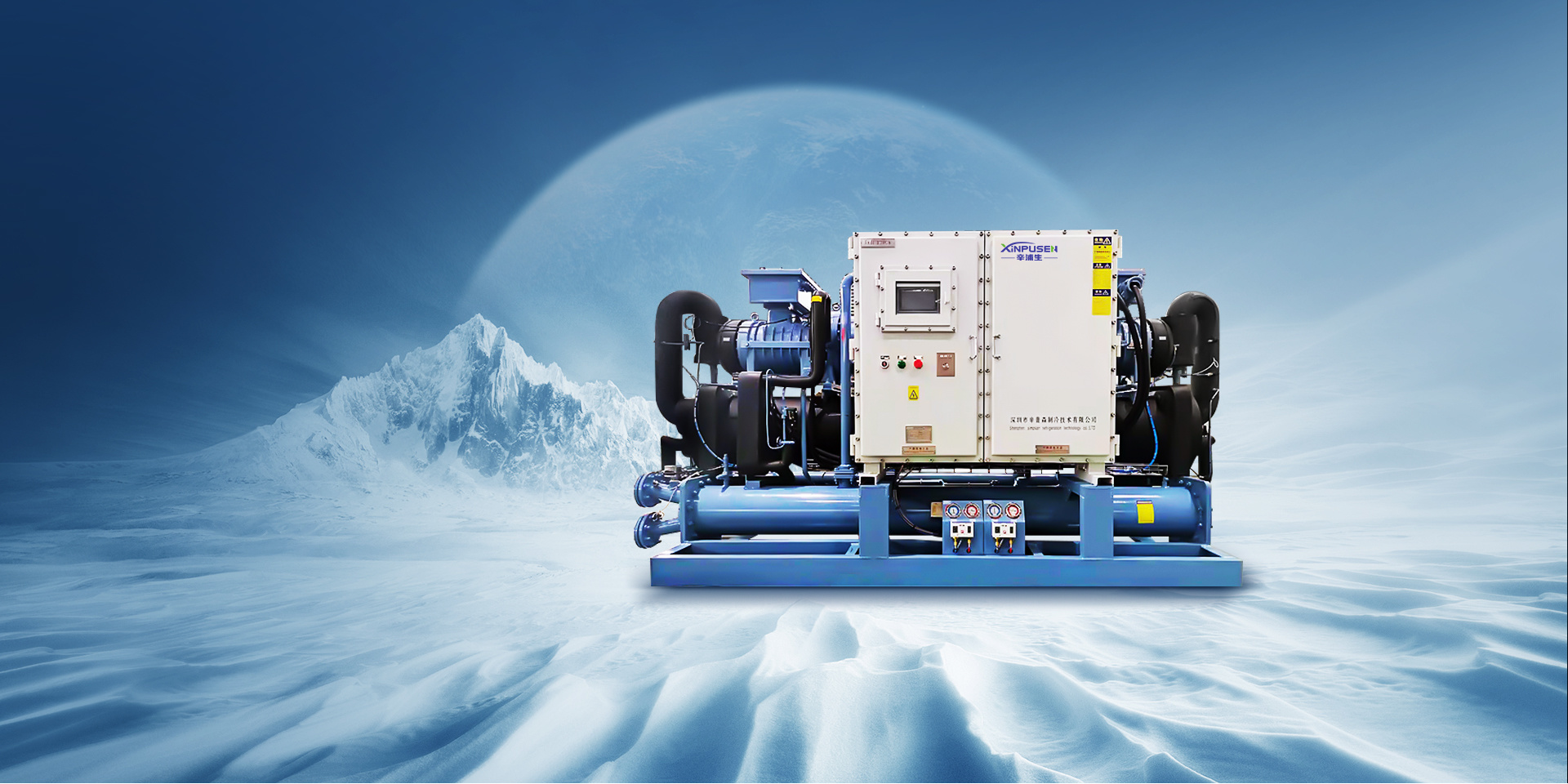
Low temp water-cooled screw chillers are a critical component in the realm of industrial cooling solutions. They are designed to provide efficient temperature regulation by utilizing water as a cooling medium, making them particularly suitable for applications requiring precise thermal management. These chillers are known for their reliability, energy efficiency, and ability to maintain low temperatures, often below 40°F (4°C).
One of the primary advantages of low temp water-cooled screw chillers is their ability to serve high-capacity cooling needs effectively. With a screw compressor at their core, they can handle variable loads with impressive efficiency. The screw compressor design allows for continuous operation and minimizes the likelihood of breakdowns, which is a significant benefit in industrial environments where downtime can lead to considerable losses.
These chillers operate by circulating chilled water through a heat exchanger, absorbing heat from the processes or areas that require cooling. The heat absorbed raises the temperature of the water, which is then returned to the chiller for heat rejection. In low temp applications, this process is particularly crucial, as it ensures that sensitive processes, machinery, or products are maintained at optimal temperatures to prevent damage or degradation.
Energy efficiency is another hallmark of low temp water-cooled screw chillers. They are engineered to minimize energy consumption while maximizing cooling output, which is vital for industries seeking to reduce operational costs and enhance sustainability. The integration of advanced controls and monitoring systems enables users to optimize performance, adjust settings in real time, and conduct predictive maintenance.
Moreover, the water-cooling aspect of these chillers offers additional benefits. Water is often more efficient than air at transferring heat, and in many cases, it is more environmentally friendly. The use of water as a cooling medium reduces the need for refrigerants that can have significant greenhouse gas impacts. Additionally, water-cooled systems can be more effective in certain climates, particularly where ambient temperatures are higher.
In terms of installation and maintenance, low temp water-cooled screw chillers require careful consideration of the surrounding infrastructure. Adequate cooling towers or cooling water systems must be in place to handle the heat rejection process. Routine maintenance is also essential to ensure optimal performance and longevity of the system. Regular inspections and servicing help identify potential issues before they escalate, contributing to the overall reliability of the chiller.
In summary, low temp water-cooled screw chillers are indispensable in industrial settings where effective cooling is paramount. Their efficiency, reliability, and ability to handle low temperatures make them a preferred choice for a variety of applications. Understanding their operation and benefits can help businesses make informed decisions regarding their cooling needs and energy management strategies.
Previous: Why Your Industry Needs Low Temp Water-Cooled Screw Chillers Now: Unlocking Efficiency and Sustainability
More Information

2026-07-15
Understanding Low Temperature Refrigeration Systems: A Comprehensive Guide

2026-07-08

2026-07-01
Exploring Ultra Low Temperature Chillers: Innovations and Applications in Industrial Cooling
2026-06-24
Why Your Industrial Operations Need an Ultra Low Temperature Chiller
2026-07-15
Understanding Low Temperature Refrigeration Systems: A Comprehensive Guide
Subscribe to our instant updates
Providing energy-efficient and innovative solutions for global industrial development

Shenzhen Longhua District, Huan Guan South Road, Mayuan Industrial Zone, XINPUSEN Industrial Park
0755-21017010
189-2749-0225
0755-23771793

Scan to add WeChat
© COPYRIGHT 2024 Shenzhen Xinpusen Refrigeration Technology Co., Ltd. ALL RIGHTS RESERVED Powered by www.300.cn