Shenzhen Simpsons Refrigeration Technology Co., Ltd.





In the global industrial temperature control field, we are pragmatic and innovative pioneers, providing energy-saving and innovative solutions for global industrial development, which is our ideal pursuit of hard work.

Focusing on the field of industrial temperature control, let China's energy-saving solutions nourish the world
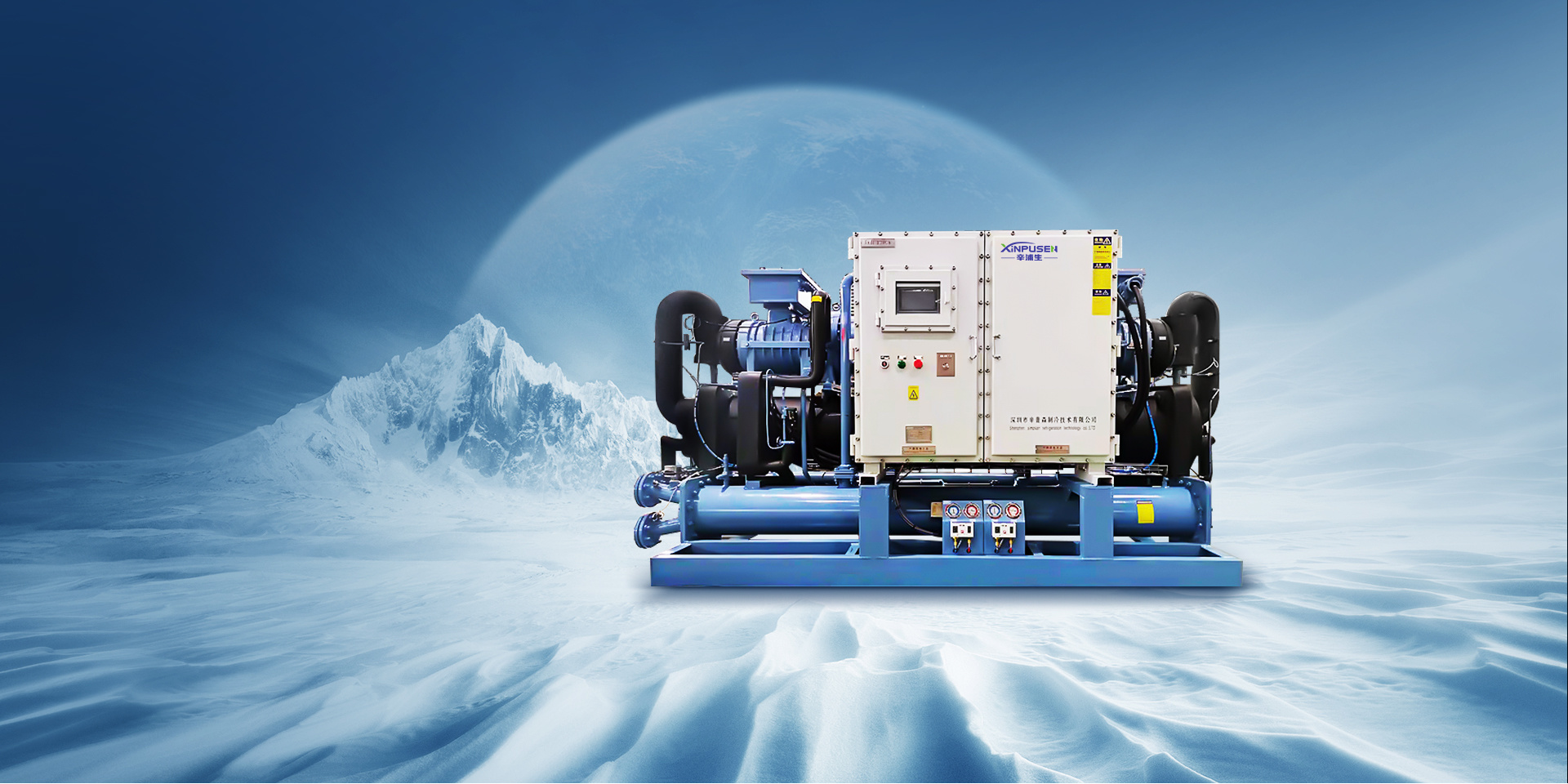
For products, we are seekers of perfection and excellence

Follow Simpson for the latest news

If you have any needs or suggestions, please contact us
 CN
CN EN
EN
News and Information
Follow Simpson for the latest news
What to Expect During the Installation of Air Cooled Industrial Chillers: A Comprehensive Guide
2026-02-16 15:00
What to Expect During the Installation of Air Cooled Industrial Chillers
Table of Contents
- Understanding Air Cooled Industrial Chillers
- Pre-Installation Preparations
- Installation Process Overview
- Key Components of Air Cooled Chillers
- Common Installation Challenges
- Post-Installation Checks and Maintenance
- Benefits of Professional Installation
- Frequently Asked Questions
Understanding Air Cooled Industrial Chillers
Air cooled industrial chillers are essential components in various industrial applications where cooling is critical. They operate by removing heat from a liquid via a vapor-compression or absorption refrigeration cycle. These chillers are preferred in many settings due to their efficiency and the fact that they do not require water for cooling, making them easier to install and maintain in locations where water availability could be an issue. Understanding these units’ operation principles, features, and benefits is integral in ensuring the proper setup and functionality during the installation phase.
Pre-Installation Preparations
Before the installation of air cooled industrial chillers, several preparatory steps are necessary for a smooth process.
Site Assessment
Conducting a thorough site assessment is paramount. The location should be evaluated for space, accessibility, and compatibility with existing infrastructure, ensuring that there is enough room for proper air circulation and maintenance access. Check for nearby structures or equipment that could obstruct airflow or maintenance operations.
Equipment Selection
Choosing the right chiller model involves understanding your cooling needs, the required capacity, and energy efficiency ratings. Consider consulting with an HVAC professional to select a model that best fits your operational requirements.
Permits and Regulations
Ensure that all necessary permits are obtained. Compliance with local regulations concerning noise levels, emissions, and safety standards is critical to avoid potential legal issues post-installation.
Logistical Arrangements
Plan for equipment delivery and installation logistics. Coordinate arrival times to avoid delays and ensure all tools and materials are on-site when the installation team arrives.
Installation Process Overview
The installation of air cooled industrial chillers is a systematic process that involves several key phases.
Unpacking and Inspecting the Equipment
Once the chiller arrives on-site, the first step is to unpack and inspect the unit for any damage incurred during transportation. Document any discrepancies to address them promptly.
Setting the Foundation
A sturdy, level foundation is essential for the stability of the chiller. This may involve pouring concrete pads or using pre-fabricated bases. Ensure that the foundation is designed to handle the weight and vibration of the chiller during operation.
Connecting Electrical and Refrigerant Lines
Next, the installation team will connect the necessary electrical and refrigerant lines. This process requires a thorough understanding of wiring diagrams and safety protocols to avoid electrical hazards and ensure efficient operation.
Installing the Chiller Unit
The chiller is then placed onto its foundation. Proper alignment is crucial to facilitate effective air circulation. The team will use leveling tools to ensure that the unit sits evenly.
Testing the System
Post-installation, the team will conduct a series of tests to confirm that the chiller operates correctly. This involves checking for leaks, verifying electrical connections, and ensuring that the chiller cycles properly.
Key Components of Air Cooled Chillers
Understanding the main components of air cooled industrial chillers can help during installation and maintenance.
Compressor
The compressor is the heart of the chiller, responsible for circulating the refrigerant and facilitating the heat exchange process. Proper care during installation can enhance its lifespan and efficiency.
Condenser Coils
These coils dissipate heat into the air. Adequate clearance around the condenser coils is essential to maintain airflow and optimize cooling performance.
Expansion Valve
The expansion valve regulates the refrigerant flow into the evaporator, controlling the cooling process's efficiency. Proper adjustment during installation ensures optimal performance.
Evaporator
This component absorbs heat from the process fluid, lowering its temperature. Understanding its placement and clearance requirements is vital for effective operation.
Common Installation Challenges
During the installation of air cooled industrial chillers, several challenges may arise, including:
Space Constraints
Limited space can hinder the installation process, making it difficult for technicians to access the unit for maintenance. Planning the layout in advance can mitigate these issues.
Electrical Issues
Improper electrical connections can lead to operational failures. Ensuring that the installation team adheres to electrical codes is essential for safety and functionality.
Vibration and Noise Control
Chillers can produce vibrations and noise that may affect surrounding areas. Incorporating vibration isolation mounts and ensuring proper placement can help minimize these issues.
Post-Installation Checks and Maintenance
After installation, conducting thorough checks ensures the system operates optimally.
Initial System Startup
Perform a comprehensive start-up check. Verify that all systems function correctly, including cooling cycles and safety features.
Regular Maintenance Schedule
Establish a regular maintenance schedule to inspect components, clean filters, and perform necessary calibrations. This proactive approach enhances longevity and efficiency.
Monitoring Performance
Utilize monitoring tools to track the chiller’s performance over time. Regular performance checks help identify any potential issues before they escalate.
Benefits of Professional Installation
While DIY installations may seem appealing, opting for professional installation has numerous advantages:
Expertise and Experience
Professional installers bring expertise and experience, ensuring that every aspect of the installation process adheres to industry standards.
Time Efficiency
Professionals can complete installations more quickly than individuals without specialized training, minimizing downtime for your operations.
Warranty Compliance
Many manufacturers require professional installation to validate warranties. Ensuring compliance can save you from costly repairs later on.
Frequently Asked Questions
1. How long does the installation of an air cooled industrial chiller typically take?
The installation process can take anywhere from a few hours to several days, depending on the complexity of the setup and site conditions.
2. What maintenance is required for air cooled industrial chillers?
Regular maintenance includes cleaning filters, checking refrigerant levels, inspecting electrical connections, and monitoring performance.
3. Can I install an air cooled chiller myself?
While it's possible, professional installation is highly recommended to ensure safety and compliance with manufacturer specifications.
4. How often should I schedule professional maintenance for my chiller?
Typically, it is advisable to schedule professional maintenance at least once a year, but more frequent checks may be necessary based on usage.
5. What are the signs that my industrial chiller needs repairs?
Signs include unusual noises, fluctuating temperatures, frequent cycling, and visible leaks. If you notice any of these signs, consult a professional immediately.
Conclusion
Installing air cooled industrial chillers is a critical process that requires careful planning and execution. By understanding the components involved, the installation process, and the importance of professional expertise, you can ensure that your chiller operates efficiently and reliably for years to come. Engaging in thorough pre-installation preparations and committing to regular maintenance will not only enhance performance but also extend the lifespan of your chiller system. By following the guidelines and insights provided in this comprehensive guide, you can confidently navigate the complexities of air cooled industrial chiller installations and achieve optimal cooling solutions for your industrial needs.
Previous: Essential Insights into Air Cooled Industrial Chillers: Efficiency, Selection, and Maintenance
More Information

2026-07-15
Understanding Low Temperature Refrigeration Systems: A Comprehensive Guide

2026-07-08

2026-07-01
Exploring Ultra Low Temperature Chillers: Innovations and Applications in Industrial Cooling
2026-06-24
Why Your Industrial Operations Need an Ultra Low Temperature Chiller
2026-07-15
Understanding Low Temperature Refrigeration Systems: A Comprehensive Guide
Subscribe to our instant updates
Providing energy-efficient and innovative solutions for global industrial development

Shenzhen Longhua District, Huan Guan South Road, Mayuan Industrial Zone, XINPUSEN Industrial Park
0755-21017010
189-2749-0225
0755-23771793

Scan to add WeChat
© COPYRIGHT 2024 Shenzhen Xinpusen Refrigeration Technology Co., Ltd. ALL RIGHTS RESERVED Powered by www.300.cn