Shenzhen Simpsons Refrigeration Technology Co., Ltd.





In the global industrial temperature control field, we are pragmatic and innovative pioneers, providing energy-saving and innovative solutions for global industrial development, which is our ideal pursuit of hard work.

Focusing on the field of industrial temperature control, let China's energy-saving solutions nourish the world
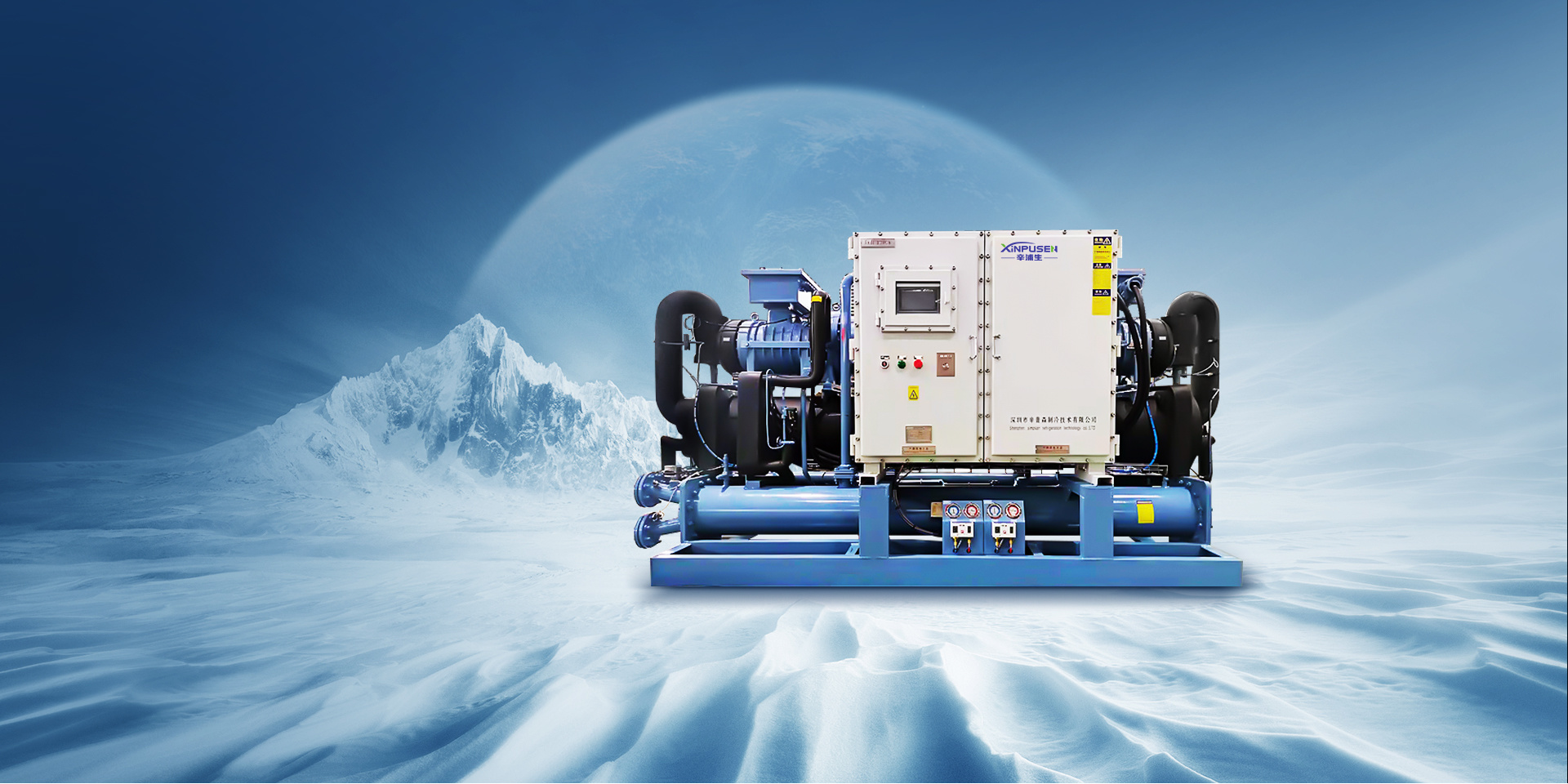
For products, we are seekers of perfection and excellence

Follow Simpson for the latest news

If you have any needs or suggestions, please contact us
 CN
CN EN
EN
News and Information
Follow Simpson for the latest news
Essential Insights into Air Cooled Industrial Chillers: Efficiency, Selection, and Maintenance
2026-02-23 15:00
When selecting an air cooled industrial chiller, it is crucial to assess the cooling capacity required for your specific application. This involves calculating the heat load generated by your equipment, which can vary significantly depending on factors such as production processes, equipment efficiency, and even seasonal temperature changes. It is essential to choose a chiller that not only meets current cooling demands but can also accommodate future growth or changes in operational needs.
Another vital aspect to consider is the energy efficiency ratio (EER) or coefficient of performance (COP) of the chiller. Higher EER and COP values indicate better energy performance, which translates to lower operational costs over time. In recent years, advancements in technology have led to the development of chillers that integrate variable speed drives and enhanced heat exchange surfaces, further improving energy efficiency.
Maintenance plays a crucial role in the longevity and efficiency of air cooled industrial chillers. Regular inspections are necessary to ensure that the condenser coils are clean and free from debris, which can hinder heat transfer and reduce cooling efficiency. Additionally, monitoring refrigerant levels and ensuring proper airflow around the unit are critical components of effective maintenance. Implementing a preventive maintenance schedule not only helps in early detection of potential issues but also extends the lifespan of the chiller.
In conclusion, understanding the operational principles, selection criteria, and maintenance requirements of air cooled industrial chillers is essential for professionals in the industrial equipment sector. With the right knowledge, businesses can enhance their cooling systems' efficiency, ultimately leading to significant cost savings and improved product quality. By prioritizing these aspects, companies can ensure that their cooling solutions remain reliable and effective in meeting their industrial needs.
Previous: quality air cooled industrial chiller
More Information

2026-07-15
Understanding Low Temperature Refrigeration Systems: A Comprehensive Guide

2026-07-08

2026-07-01
Exploring Ultra Low Temperature Chillers: Innovations and Applications in Industrial Cooling
2026-06-24
Why Your Industrial Operations Need an Ultra Low Temperature Chiller
2026-07-15
Understanding Low Temperature Refrigeration Systems: A Comprehensive Guide
Subscribe to our instant updates
Providing energy-efficient and innovative solutions for global industrial development

Shenzhen Longhua District, Huan Guan South Road, Mayuan Industrial Zone, XINPUSEN Industrial Park
0755-21017010
189-2749-0225
0755-23771793

Scan to add WeChat
© COPYRIGHT 2024 Shenzhen Xinpusen Refrigeration Technology Co., Ltd. ALL RIGHTS RESERVED Powered by www.300.cn