Shenzhen Simpsons Refrigeration Technology Co., Ltd.





In the global industrial temperature control field, we are pragmatic and innovative pioneers, providing energy-saving and innovative solutions for global industrial development, which is our ideal pursuit of hard work.

Focusing on the field of industrial temperature control, let China's energy-saving solutions nourish the world
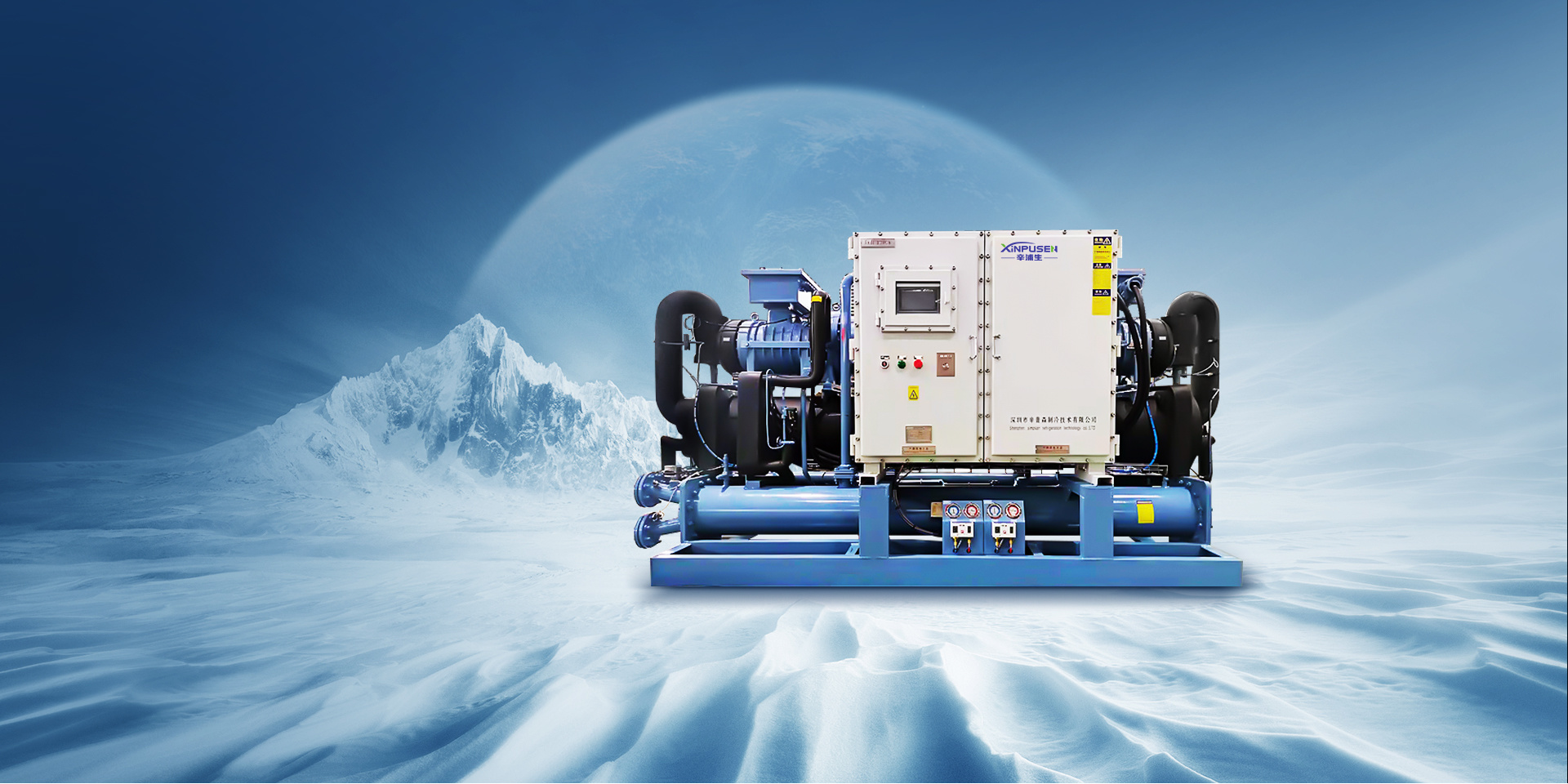
For products, we are seekers of perfection and excellence

Follow Simpson for the latest news

If you have any needs or suggestions, please contact us
 CN
CN EN
EN
News and Information
Follow Simpson for the latest news
Understanding the Advantages of Water-Cooled Screw Chillers for Industrial Applications
2026-03-02 15:50
Understanding the Advantages of Water-Cooled Screw Chillers for Industrial Applications
Table of Contents
- 1. Introduction to Water-Cooled Screw Chillers
- 2. What is a Water-Cooled Screw Chiller?
- 3. How Do Water-Cooled Screw Chillers Work?
- 4. Key Advantages of Water-Cooled Screw Chillers
- 4.1 Energy Efficiency
- 4.2 Environmental Benefits
- 4.3 Low Maintenance Requirements
- 4.4 High Capacity Cooling
- 4.5 Noise Control
- 5. Applications in Various Industries
- 6. Choosing the Right Water-Cooled Screw Chiller
- 7. Installation and Maintenance Considerations
- 8. Frequently Asked Questions
- 9. Conclusion
1. Introduction to Water-Cooled Screw Chillers
In today’s competitive industrial landscape, efficient cooling systems are crucial for maintaining optimal operational conditions. Among the various cooling solutions available, **water-cooled screw chillers** stand out due to their reliability and efficiency. This article explores the numerous benefits these chillers offer, particularly in industrial applications, and how they contribute to enhanced productivity and sustainability.
2. What is a Water-Cooled Screw Chiller?
A **water-cooled screw chiller** is an advanced cooling system that utilizes a screw compressor and water as a cooling medium. Unlike air-cooled chillers, which rely on ambient air for heat exchange, water-cooled chillers use water from a cooling tower or a similar source, providing several advantages in terms of efficiency and performance.
3. How Do Water-Cooled Screw Chillers Work?
Water-cooled screw chillers function by circulating refrigerant through a system of evaporators and condensers. The process can be broken down into several key stages:
1. **Evaporation**: The refrigerant absorbs heat from the water in the evaporator, causing it to evaporate into a gas.
2. **Compression**: The gas is then compressed by the screw compressor, increasing its pressure and temperature.
3. **Condensation**: The high-pressure gas passes through the condenser, where water absorbs the heat, converting the refrigerant back into a liquid state.
4. **Expansion**: Finally, the refrigerant undergoes expansion through an expansion valve, reducing its pressure and temperature before returning to the evaporator to repeat the cycle.
This continuous cycle maintains a consistent and controlled cooling environment critical for many industrial processes.
4. Key Advantages of Water-Cooled Screw Chillers
Water-cooled screw chillers offer a plethora of benefits that make them a preferred choice in many industrial settings. Below, we delve deeper into their advantages.
4.1 Energy Efficiency
One of the most significant advantages of water-cooled screw chillers is their **energy efficiency**. These systems typically operate with higher energy efficiency ratios (EER) compared to air-cooled systems. The use of water as a cooling medium allows for better heat transfer, resulting in lower energy consumption during operation. This not only reduces the overall operational costs but also contributes to a smaller carbon footprint.
4.2 Environmental Benefits
Water-cooled screw chillers are designed with sustainability in mind. Their efficient operation leads to lower greenhouse gas emissions, aligning with the growing need for environmentally friendly industrial practices. Moreover, these chillers can be integrated with renewable energy sources, further enhancing their eco-friendliness.
4.3 Low Maintenance Requirements
Maintenance is often a concern for any industrial equipment. Fortunately, water-cooled screw chillers are known for their **low maintenance requirements**. With fewer moving parts compared to other cooling systems, they generally require less frequent service. Routine maintenance can also be simplified through advanced monitoring systems that track performance metrics, alerting operators to potential issues before they escalate.
4.4 High Capacity Cooling
Industrial operations often necessitate substantial cooling capacities. Water-cooled screw chillers excel in this area, providing **high capacity cooling** suitable for large-scale applications. Their ability to handle significant cooling loads makes them ideal for manufacturing processes, chemical production, and other industrial applications where precise temperature control is critical.
4.5 Noise Control
Another noteworthy aspect of water-cooled screw chillers is their relatively **quiet operation**. The enclosed design and the use of water for heat exchange help minimize noise levels, making them suitable for installations in areas where noise regulations are stringent or in proximity to residential neighborhoods.
5. Applications in Various Industries
Water-cooled screw chillers find applications across a wide range of industries, including:
- **Manufacturing**: For cooling machinery and processes, ensuring optimal operational temperatures.
- **Food and Beverage**: In refrigeration and cooling processes to maintain product quality.
- **Pharmaceuticals**: For critical temperature control in drug manufacturing.
- **Data Centers**: To cool servers and maintain optimal performance levels.
- **Chemical Processing**: For the cooling of exothermic reactions and other temperature-sensitive processes.
Their versatility and efficiency make them a vital component in many industrial settings.
6. Choosing the Right Water-Cooled Screw Chiller
Selecting the appropriate water-cooled screw chiller involves several considerations, including:
- **Cooling Capacity Requirements**: Assess the cooling load needed for your specific application.
- **Energy Efficiency Ratings**: Look for models with high EERs to minimize operational costs.
- **Size and Space**: Ensure that the chiller fits within your available installation space.
- **Operating Conditions**: Consider the ambient conditions and water temperature for optimal performance.
- **Manufacturer Reputation**: Choose a reliable manufacturer known for quality and support.
By thoroughly evaluating these factors, businesses can ensure they select a chiller that meets their operational needs while delivering optimal performance.
7. Installation and Maintenance Considerations
Proper installation and maintenance of water-cooled screw chillers are crucial for ensuring their longevity and efficiency.
**Installation**: It is advisable to hire qualified professionals for installation to ensure that all components are correctly set up. Proper alignment, electrical connections, and water supply management are essential for optimal performance.
**Maintenance**: Regular maintenance checks should include inspecting water quality, checking for refrigerant leaks, cleaning condenser coils, and maintaining the cooling tower. Implementing a routine maintenance schedule can prevent costly downtimes and ensure continuous efficient operation.
8. Frequently Asked Questions
1. What is the lifespan of a water-cooled screw chiller?
The average lifespan of a water-cooled screw chiller is typically between 15 to 20 years, depending on maintenance and usage.
2. How do I determine the right size chiller for my application?
The right size can be determined by calculating the total cooling load required by your application, considering factors like the heat generated by machinery and ambient conditions.
3. Are water-cooled screw chillers more expensive than air-cooled chillers?
While the initial investment may be higher, water-cooled screw chillers offer greater energy savings and efficiency over time, often making them more cost-effective in the long run.
4. Can water-cooled screw chillers be used in extreme climates?
Yes, they are often better suited for extreme climates compared to air-cooled chillers, as they rely on water for cooling rather than ambient air.
5. What maintenance is required for water-cooled screw chillers?
Regular maintenance includes checking water quality, inspecting refrigerant levels, cleaning coils, and monitoring system performance.
9. Conclusion
Water-cooled screw chillers offer significant advantages for industrial applications, from energy efficiency and environmental benefits to low maintenance and high-capacity cooling. By understanding these benefits, industries can make informed decisions that enhance operational efficiency and sustainability. As we move toward a future that demands heightened energy efficiency and environmental responsibility, integrating water-cooled screw chillers into industrial processes represents a strategic choice.
Previous: Understanding Water-Cooled Screw Chillers: The Efficient Cooling Solution for Industrial Applications
More Information

2026-07-15
Understanding Low Temperature Refrigeration Systems: A Comprehensive Guide

2026-07-08

2026-07-01
Exploring Ultra Low Temperature Chillers: Innovations and Applications in Industrial Cooling
2026-06-24
Why Your Industrial Operations Need an Ultra Low Temperature Chiller
2026-07-15
Understanding Low Temperature Refrigeration Systems: A Comprehensive Guide
Subscribe to our instant updates
Providing energy-efficient and innovative solutions for global industrial development

Shenzhen Longhua District, Huan Guan South Road, Mayuan Industrial Zone, XINPUSEN Industrial Park
0755-21017010
189-2749-0225
0755-23771793

Scan to add WeChat
© COPYRIGHT 2024 Shenzhen Xinpusen Refrigeration Technology Co., Ltd. ALL RIGHTS RESERVED Powered by www.300.cn