Shenzhen Simpsons Refrigeration Technology Co., Ltd.





In the global industrial temperature control field, we are pragmatic and innovative pioneers, providing energy-saving and innovative solutions for global industrial development, which is our ideal pursuit of hard work.

Focusing on the field of industrial temperature control, let China's energy-saving solutions nourish the world
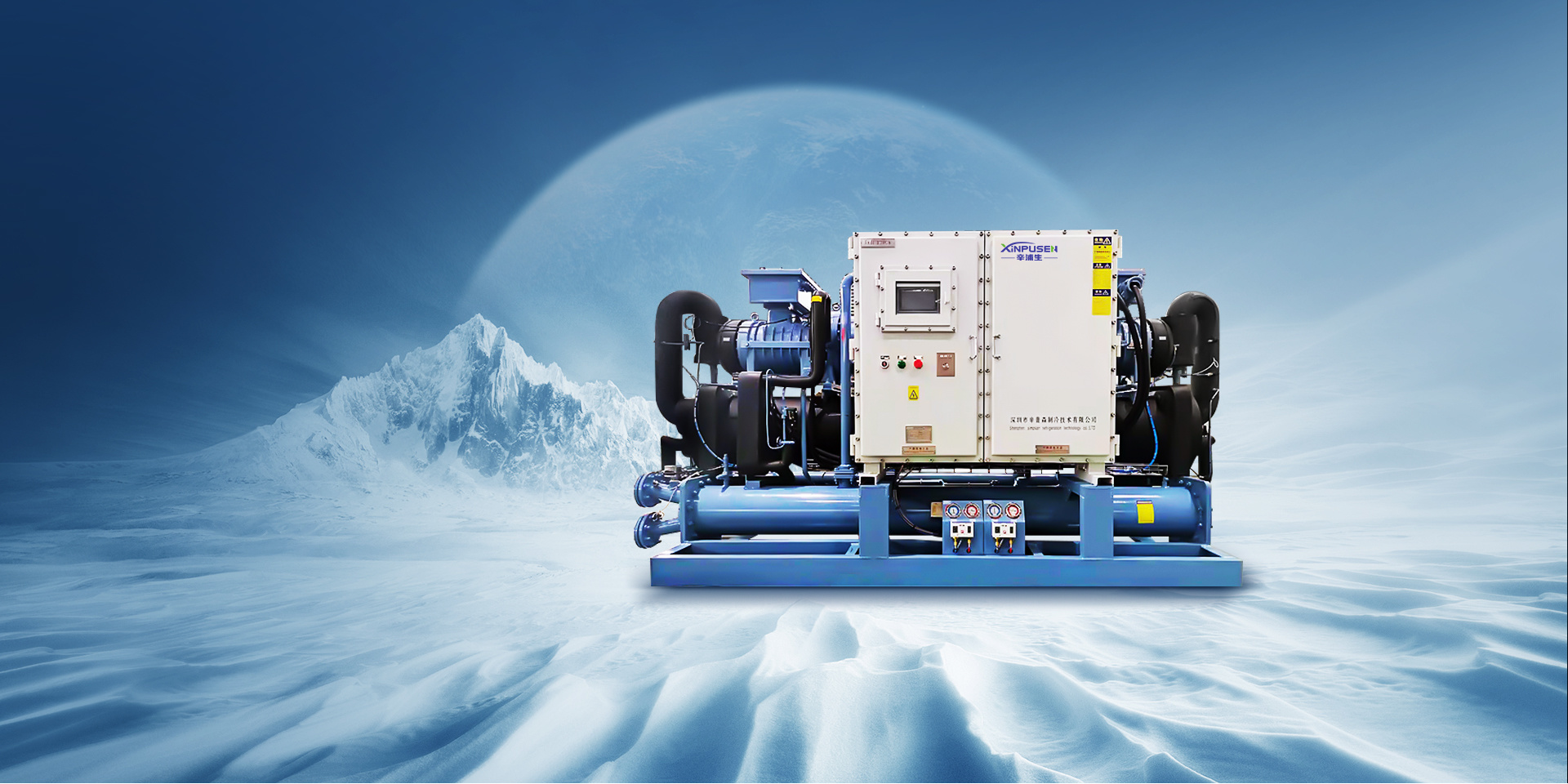
For products, we are seekers of perfection and excellence

Follow Simpson for the latest news

If you have any needs or suggestions, please contact us
 CN
CN EN
EN
News and Information
Follow Simpson for the latest news
Maximizing Efficiency: The Benefits of Energy-Saving Chiller Units
2025-06-22 13:40
Energy-saving chiller units operate on advanced technologies that enhance their efficiency. These units are typically equipped with variable speed drives (VSDs) that allow the compressor and other components to adjust their speeds according to the cooling demand. By matching the output to the current needs, energy-saving chillers avoid the wasteful practice of running at full capacity when it is not necessary. This not only conserves energy but also prolongs the lifespan of the unit, resulting in fewer maintenance requirements and downtime.
Furthermore, energy-saving chiller units often utilize environmentally friendly refrigerants. Traditional refrigerants can contribute to ozone depletion and global warming. By opting for chillers that use low-GWP (Global Warming Potential) refrigerants, industries can further reduce their environmental impact. This shift not only complies with strict regulations but also provides companies with a positive public image as they transition towards more sustainable practices.
The design of energy-saving chiller units also incorporates advanced heat exchange technologies. These technologies enhance the heat transfer process, resulting in improved performance. As a result, energy is applied more efficiently, maximizing the cooling output while minimizing energy input. The integration of intelligent controls and monitoring systems further allows for real-time adjustments, optimizing the operation based on external conditions and internal requirements.
Businesses that invest in energy-saving chiller units often experience significant financial benefits. While the initial investment may be higher than traditional chillers, the long-term savings on energy bills can be substantial. Additionally, many regions offer incentives for companies that adopt energy-efficient technologies, making the transition even more financially appealing.
In summary, energy-saving chiller units provide an effective solution for industries looking to enhance their cooling processes while prioritizing sustainability and cost savings. By investing in these units, companies can not only improve their operational efficiency but also contribute to a greener future. As businesses continue to seek ways to reduce their environmental impact and operating costs, energy-saving chiller units stand out as a smart choice for modern industrial refrigeration needs.
Previous: Unlocking Efficiency: The Benefits of Energy-Saving Chiller Units
More Information

2026-07-15
Understanding Low Temperature Refrigeration Systems: A Comprehensive Guide

2026-07-08

2026-07-01
Exploring Ultra Low Temperature Chillers: Innovations and Applications in Industrial Cooling
2026-06-24
Why Your Industrial Operations Need an Ultra Low Temperature Chiller
2026-07-15
Understanding Low Temperature Refrigeration Systems: A Comprehensive Guide
Subscribe to our instant updates
Providing energy-efficient and innovative solutions for global industrial development

Shenzhen Longhua District, Huan Guan South Road, Mayuan Industrial Zone, XINPUSEN Industrial Park
0755-21017010
189-2749-0225
0755-23771793

Scan to add WeChat
© COPYRIGHT 2024 Shenzhen Xinpusen Refrigeration Technology Co., Ltd. ALL RIGHTS RESERVED Powered by www.300.cn