Shenzhen Simpsons Refrigeration Technology Co., Ltd.





In the global industrial temperature control field, we are pragmatic and innovative pioneers, providing energy-saving and innovative solutions for global industrial development, which is our ideal pursuit of hard work.

Focusing on the field of industrial temperature control, let China's energy-saving solutions nourish the world
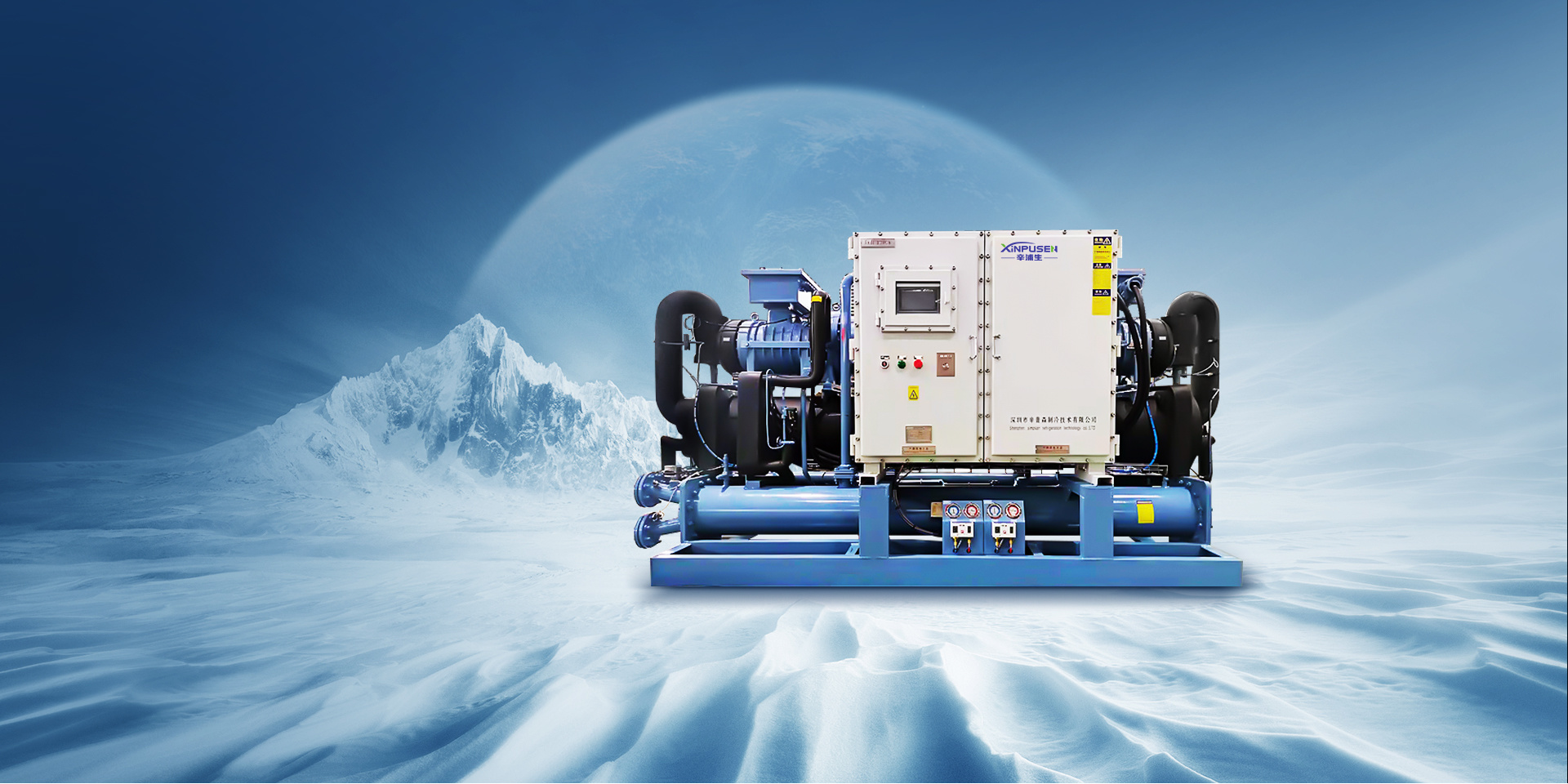
For products, we are seekers of perfection and excellence

Follow Simpson for the latest news

If you have any needs or suggestions, please contact us
 CN
CN EN
EN
News and Information
Follow Simpson for the latest news
Maximizing Efficiency and Sustainability with Energy-Saving Chiller Units
2025-06-28 15:00
One of the primary benefits of energy-saving chiller units is their ability to operate with higher efficiency ratios. These units utilize advanced technologies such as variable speed drives, enhanced heat exchangers, and sophisticated control systems. By adjusting the cooling output according to real-time demand, they minimize energy wastage, ensuring that only the necessary amount of energy is consumed for optimal performance.
Another crucial aspect of energy-saving chiller units is their role in reducing greenhouse gas emissions. As industries strive to meet stringent environmental regulations, implementing energy-efficient equipment has become essential. By using these chillers, businesses can significantly lower their carbon footprint, showcasing their commitment to sustainability and responsible resource management.
Cost savings also play a vital role in the attractiveness of energy-saving chiller units. While the initial investment may be higher than traditional models, the long-term savings on energy bills can be substantial. Many organizations are discovering that the return on investment (ROI) from reduced operational costs often justifies the upfront expenditure. Additionally, many energy-saving chillers qualify for government incentives and rebates, further offsetting costs.
Maintenance and longevity are also key considerations for industrial operators. Energy-saving chiller units are often built with robust components designed for durability, which can lead to fewer breakdowns and extended lifespans. Regular maintenance ensures that these systems continue to operate at peak efficiency, prolonging their operational life and enhancing overall reliability.
Furthermore, the integration of energy-saving chiller units can contribute to improved workplace comfort. By providing consistent and reliable cooling, these units help maintain optimal temperatures in industrial environments, which can enhance productivity and employee satisfaction.
In conclusion, energy-saving chiller units represent a critical advancement in industrial cooling technology. By choosing these efficient systems, businesses can achieve substantial energy savings, reduce their environmental impact, and enhance overall operational efficiency. As industries move toward more sustainable practices, energy-saving chillers are positioned to play a pivotal role in meeting both economic and ecological goals. Emphasizing the importance of energy efficiency not only benefits the bottom line but also supports a healthier planet for future generations.
Previous: Revolutionizing Cooling: The Benefits of Water-Cooled Magnetic Levitation Chillers
More Information

2026-07-15
Understanding Low Temperature Refrigeration Systems: A Comprehensive Guide

2026-07-08

2026-07-01
Exploring Ultra Low Temperature Chillers: Innovations and Applications in Industrial Cooling
2026-06-24
Why Your Industrial Operations Need an Ultra Low Temperature Chiller
2026-07-15
Understanding Low Temperature Refrigeration Systems: A Comprehensive Guide
Subscribe to our instant updates
Providing energy-efficient and innovative solutions for global industrial development

Shenzhen Longhua District, Huan Guan South Road, Mayuan Industrial Zone, XINPUSEN Industrial Park
0755-21017010
189-2749-0225
0755-23771793

Scan to add WeChat
© COPYRIGHT 2024 Shenzhen Xinpusen Refrigeration Technology Co., Ltd. ALL RIGHTS RESERVED Powered by www.300.cn