Shenzhen Simpsons Refrigeration Technology Co., Ltd.





In the global industrial temperature control field, we are pragmatic and innovative pioneers, providing energy-saving and innovative solutions for global industrial development, which is our ideal pursuit of hard work.

Focusing on the field of industrial temperature control, let China's energy-saving solutions nourish the world
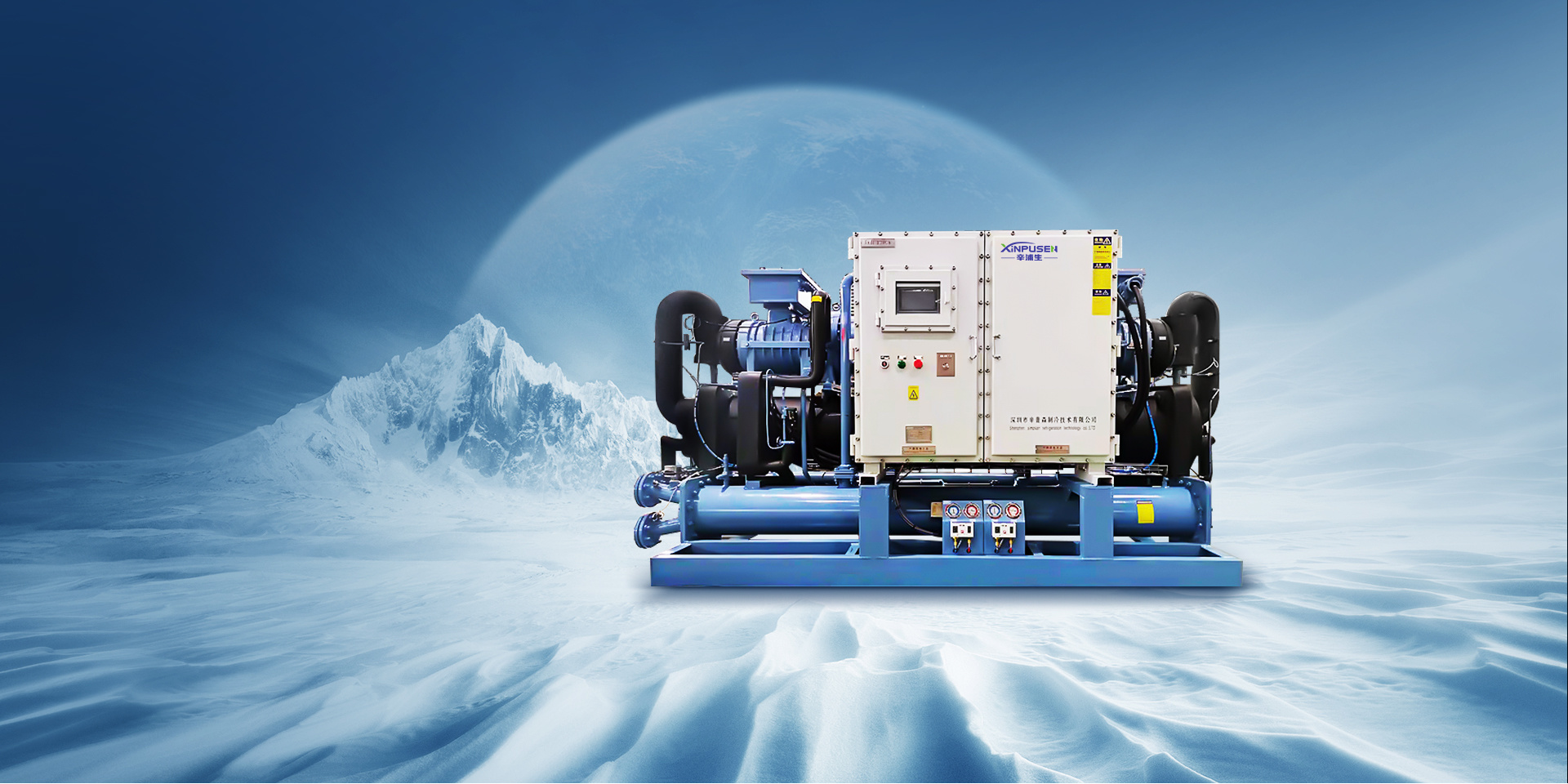
For products, we are seekers of perfection and excellence

Follow Simpson for the latest news

If you have any needs or suggestions, please contact us
 CN
CN EN
EN
News and Information
Follow Simpson for the latest news
The Importance of Hot and Cold Integrated Temperature Control Units in Industrial Applications
2025-12-01 10:10
In the realm of industrial equipment, particularly within the cooling systems sector, hot and cold integrated temperature control units play a pivotal role in managing thermal conditions efficiently. These units are designed to maintain precise temperature levels by combining heating and cooling functions in a single system. This integration not only simplifies temperature management but also enhances system efficiency and reduces energy consumption.
One of the primary advantages of hot and cold integrated temperature control units is their versatility. They can adapt to varying operational demands, making them suitable for diverse applications—from manufacturing processes to laboratory environments. By delivering both heating and cooling capabilities, these units can respond dynamically to changes in environmental conditions or process requirements. For example, in chemical processing, maintaining specific temperature ranges is crucial for reaction efficiency and product quality. The ability to seamlessly transition between heating and cooling allows for better control over these critical parameters.
Energy efficiency is another significant benefit of utilizing integrated temperature control units. Traditional systems often require separate units for heating and cooling, which can lead to increased energy costs and larger physical footprints. The integrated approach minimizes this by consolidating functions, which not only saves space but also optimizes energy use. By employing advanced control algorithms and technologies, these units can operate in a more energy-efficient manner compared to their standalone counterparts.
In addition to energy savings, the use of hot and cold integrated temperature control units can also lead to improved process reliability. With precise temperature control, manufacturers can ensure consistent product quality, reduce the risk of overheating or overcooling, and enhance overall production efficiency. This reliability is crucial in industries where temperature variations can lead to significant quality issues or even equipment failure.
Moreover, these units are typically equipped with sophisticated monitoring and control systems that provide real-time data and analytics. This functionality allows operators to make informed decisions, facilitating predictive maintenance and reducing downtime. By monitoring temperature fluctuations and trends, businesses can proactively address potential issues before they escalate, leading to a more streamlined operation.
In summary, hot and cold integrated temperature control units represent a vital innovation in the industrial equipment sector, particularly in cooling systems. Their ability to provide efficient, reliable, and versatile temperature management makes them an invaluable asset across various industries. As businesses strive for greater efficiency and sustainability, these integrated solutions will continue to play a crucial role in shaping the future of industrial operations. Understanding their functionality and benefits can empower professionals to make informed decisions that enhance performance and drive success in their respective fields.
Previous: Understanding the Future of Integrated Chiller Systems in Industry: Innovations and Trends
More Information

2026-07-15
Understanding Low Temperature Refrigeration Systems: A Comprehensive Guide

2026-07-08

2026-07-01
Exploring Ultra Low Temperature Chillers: Innovations and Applications in Industrial Cooling
2026-06-24
Why Your Industrial Operations Need an Ultra Low Temperature Chiller
2026-07-15
Understanding Low Temperature Refrigeration Systems: A Comprehensive Guide
Subscribe to our instant updates
Providing energy-efficient and innovative solutions for global industrial development

Shenzhen Longhua District, Huan Guan South Road, Mayuan Industrial Zone, XINPUSEN Industrial Park
0755-21017010
189-2749-0225
0755-23771793

Scan to add WeChat
© COPYRIGHT 2024 Shenzhen Xinpusen Refrigeration Technology Co., Ltd. ALL RIGHTS RESERVED Powered by www.300.cn