Shenzhen Simpsons Refrigeration Technology Co., Ltd.





In the global industrial temperature control field, we are pragmatic and innovative pioneers, providing energy-saving and innovative solutions for global industrial development, which is our ideal pursuit of hard work.

Focusing on the field of industrial temperature control, let China's energy-saving solutions nourish the world
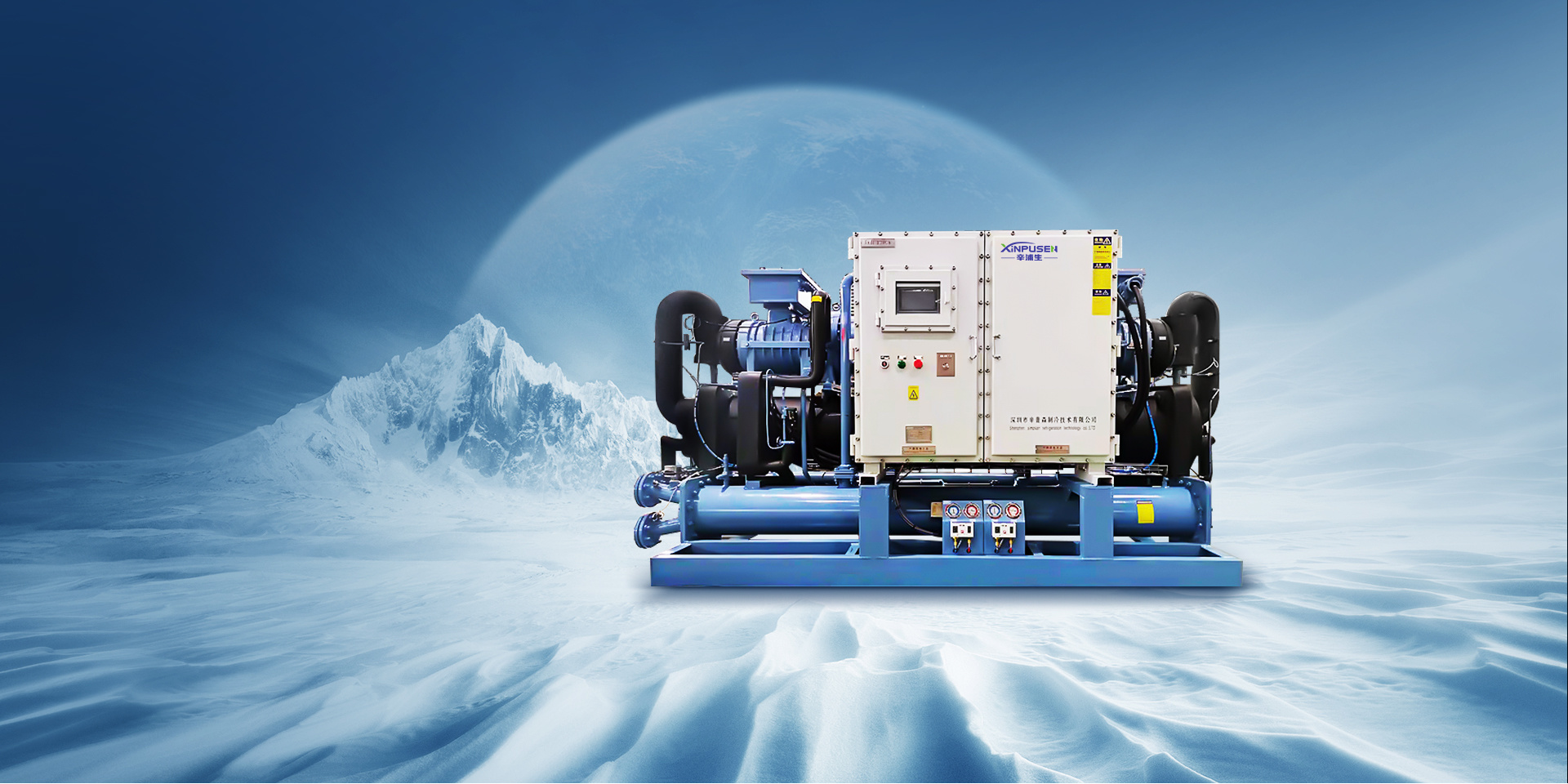
For products, we are seekers of perfection and excellence

Follow Simpson for the latest news

If you have any needs or suggestions, please contact us
 CN
CN EN
EN
News and Information
Follow Simpson for the latest news
A brief analysis of the different cold water machine purchasing needs for different industries
2025-01-23 09:20
Simpson Group's large-scale refrigeration equipment manufacturing plant originates from advanced German refrigeration technology, specializing in the production of: chillers, industrial chillers, screw chillers, flooded chillers, low-temperature ice water machines, air-cooled and water-cooled chillers, explosion-proof chillers, non-standard customized chillers, semi-hermetic condensing units, screw condensing units, and other refrigeration equipment. It has won the CCTV Brand Plan China's Preferred Brand. Welcome to inquire!
An ice water machine is another name for a chiller. A chiller injects a certain amount of water into the water tank of a chiller unit. The chiller's refrigeration system cools the water, and then the low-temperature chilled water is transported to the equipment for cooling via a water pump. The chiller's chilled water will absorb heat, increasing in temperature before returning to the tank, where the refrigeration system cools the water again. When purchasing a chiller, it is recommended to prioritize top ten chiller brands.
It is said that all chillers are suitable for any enterprise, but different industries have different requirements for chillers. Some chillers also depend on environmental factors, investment and operating costs, and refrigerant requirements; these need to be considered in the early stages of the enterprise.
If you need to choose a larger refrigeration system, it is recommended to choose one with a compact structure and small footprint. In addition, components such as compressors, motors, and condensers are recommended to be assembled within the same framework. For places with waste heat or power shortages, this brand of chiller recommends using a suction-type telescopic chiller unit. Generally, 2-4 chiller units are recommended for medium-scale applications. It's suggested to use 2 chillers with scales; for larger applications, 3 chillers are suggested. Based on refrigeration capacity and requirements, you can determine whether to choose centrifugal, piston, or screw types. Generally, the energy consumption order from low to high is: centrifugal, screw, piston, and absorption.
When chillers are running, the possibility of mutual use and switching between units should be considered. In the same environment, if units have different types and capacities, it's recommended to have a well-coordinated plan for the chiller brand. This can better operate the chillers and save energy.
If multiple chillers are running in parallel, choose one with a higher degree of automation and better adjustability, suitable for high-pressure, heavy-duty operation.
Previous: How to lower the exhaust temperature of an industrial chiller? Just keep these points in mind
More Information

2026-07-15
Understanding Low Temperature Refrigeration Systems: A Comprehensive Guide

2026-07-08

2026-07-01
Exploring Ultra Low Temperature Chillers: Innovations and Applications in Industrial Cooling
2026-06-24
Why Your Industrial Operations Need an Ultra Low Temperature Chiller
2026-07-15
Understanding Low Temperature Refrigeration Systems: A Comprehensive Guide
Subscribe to our instant updates
Providing energy-efficient and innovative solutions for global industrial development

Shenzhen Longhua District, Huan Guan South Road, Mayuan Industrial Zone, XINPUSEN Industrial Park
0755-21017010
189-2749-0225
0755-23771793

Scan to add WeChat
© COPYRIGHT 2024 Shenzhen Xinpusen Refrigeration Technology Co., Ltd. ALL RIGHTS RESERVED Powered by www.300.cn