Shenzhen Simpsons Refrigeration Technology Co., Ltd.





In the global industrial temperature control field, we are pragmatic and innovative pioneers, providing energy-saving and innovative solutions for global industrial development, which is our ideal pursuit of hard work.

Focusing on the field of industrial temperature control, let China's energy-saving solutions nourish the world
For products, we are seekers of perfection and excellence

Follow Simpson for the latest news

If you have any needs or suggestions, please contact us
 CN
CN EN
EN
News and Information
Follow Simpson for the latest news
Understanding Explosion-Proof Chiller Groups: Essential Insights for Industrial Applications
2025-05-17 14:40
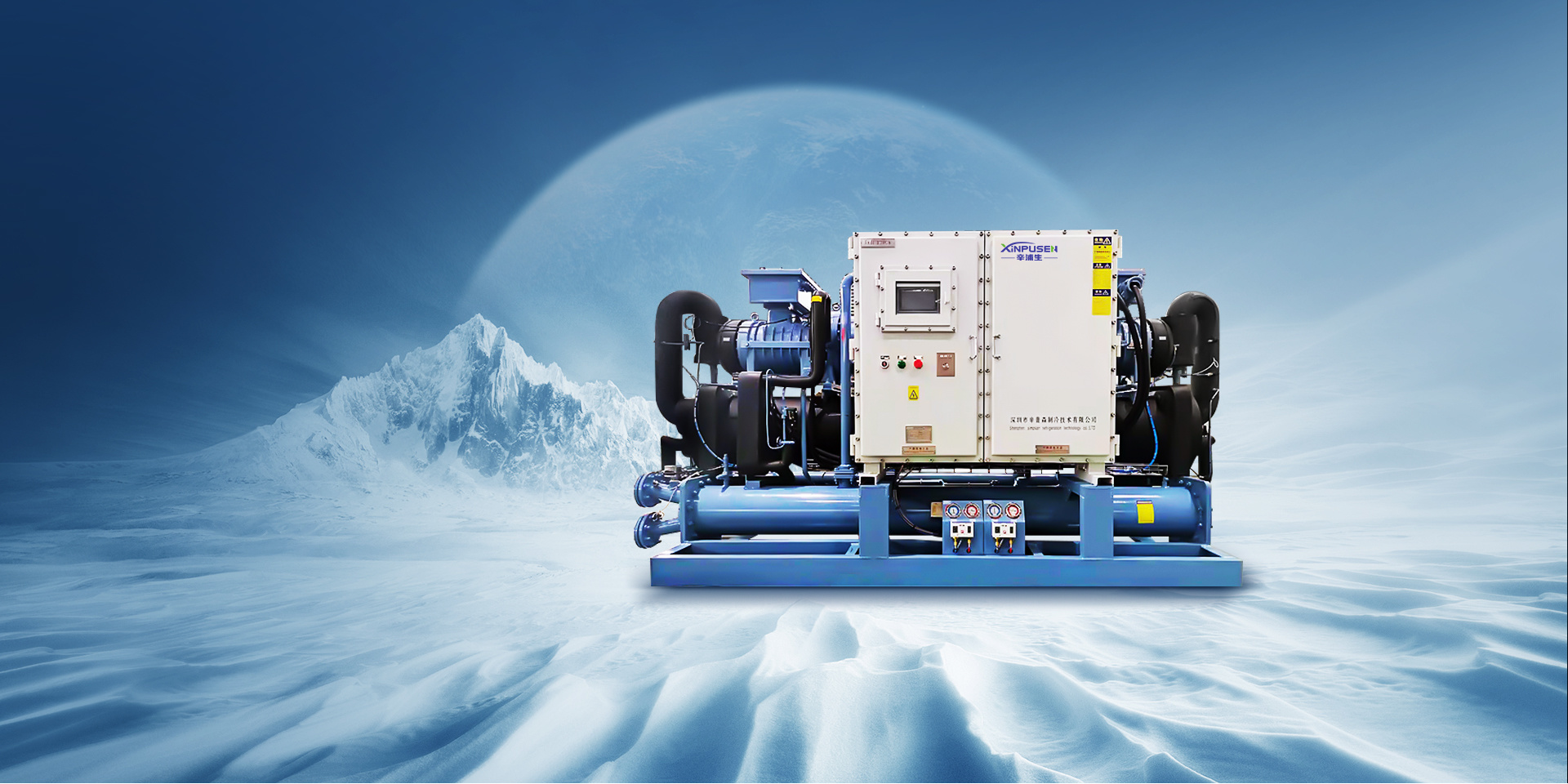
Explosion-proof chiller groups are specialized cooling systems designed to operate safely in hazardous environments where flammable gases, vapors, or dust may be present. These cooling systems play a critical role in various industries, including oil and gas, chemical processing, and pharmaceuticals. Understanding how these systems work and their benefits can help businesses make informed decisions regarding their cooling needs.
The primary purpose of an explosion-proof chiller group is to provide effective cooling without posing a risk of ignition. This is achieved through careful design and construction that adheres to rigorous safety standards. Key features of these chillers include robust casings, reinforced components, and advanced technology that prevents overheating and electrical sparks. By ensuring that all potential ignition sources are minimized, explosion-proof chillers can be safely used in areas classified as hazardous.
One of the main advantages of using explosion-proof chiller groups is their contribution to maintaining a safe working environment. In industries where volatile substances are regularly handled, the use of conventional cooling systems could lead to catastrophic incidents. Explosion-proof chillers mitigate these risks, allowing for the safe operation of machinery while ensuring optimal temperature regulation.
Moreover, explosion-proof chiller groups are designed for durability and reliability. They are built to withstand harsh conditions, including extreme temperatures and high-pressure environments. This robustness not only helps in prolonging the lifespan of the equipment but also reduces the need for frequent maintenance and replacements, leading to greater overall efficiency.
Energy efficiency is another critical consideration in the design of explosion-proof chiller groups. Modern chillers incorporate advanced technologies, such as variable-speed compressors and high-efficiency heat exchangers, which help reduce energy consumption. This not only lowers operational costs but also aligns with global sustainability goals by minimizing the carbon footprint of industrial operations.
Additionally, these chillers can be tailored to meet specific cooling requirements of different applications. Whether used for process cooling in a chemical plant or maintaining optimal temperatures in a pharmaceutical facility, explosion-proof chiller groups can be customized to fit a variety of needs, ensuring that industries can operate effectively and safely.
In summary, explosion-proof chiller groups are essential components in industries where safety and efficiency are critical. Their specialized design allows for safe operation in hazardous environments, while also providing reliable and energy-efficient cooling solutions. By investing in explosion-proof chiller technology, industries can enhance their operational safety and efficiency, ultimately leading to improved productivity and reduced risks.
Previous: quality magnetic levitation chiller
More Information

2026-07-15
Understanding Low Temperature Refrigeration Systems: A Comprehensive Guide

2026-07-08

2026-07-01
Exploring Ultra Low Temperature Chillers: Innovations and Applications in Industrial Cooling
2026-06-24
Why Your Industrial Operations Need an Ultra Low Temperature Chiller
2026-07-15
Understanding Low Temperature Refrigeration Systems: A Comprehensive Guide
Subscribe to our instant updates
Providing energy-efficient and innovative solutions for global industrial development

Shenzhen Longhua District, Huan Guan South Road, Mayuan Industrial Zone, XINPUSEN Industrial Park
0755-21017010
189-2749-0225
0755-23771793

Scan to add WeChat
© COPYRIGHT 2024 Shenzhen Xinpusen Refrigeration Technology Co., Ltd. ALL RIGHTS RESERVED Powered by www.300.cn