Shenzhen Simpsons Refrigeration Technology Co., Ltd.





In the global industrial temperature control field, we are pragmatic and innovative pioneers, providing energy-saving and innovative solutions for global industrial development, which is our ideal pursuit of hard work.

Focusing on the field of industrial temperature control, let China's energy-saving solutions nourish the world
For products, we are seekers of perfection and excellence

Follow Simpson for the latest news

If you have any needs or suggestions, please contact us
 CN
CN EN
EN
News and Information
Follow Simpson for the latest news
Understanding Mobile Container Chiller Units: A Comprehensive Overview
2025-06-10 14:20
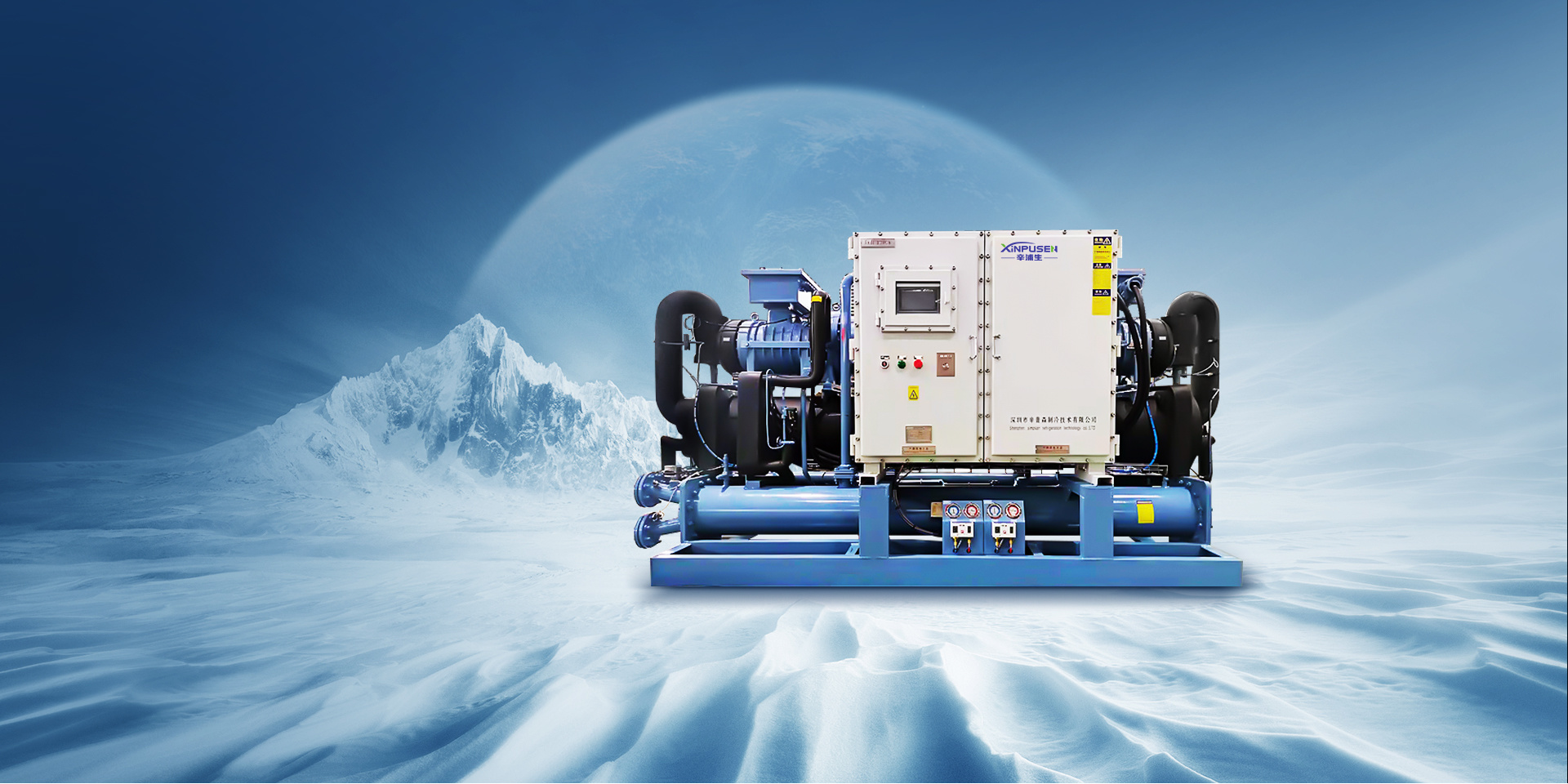
One of the primary functions of mobile container chiller units is to maintain precise temperature levels for perishable goods, pharmaceuticals, chemicals, and even industrial equipment. These units are engineered to deliver reliable cooling performance while being easily transportable. This makes them ideal for events, temporary installations, or locations where permanent cooling solutions are not feasible.
The design of mobile container chiller units typically incorporates robust insulation, high-efficiency compressors, and advanced temperature control systems. This ensures that the units can operate effectively in a variety of environmental conditions, providing consistent cooling performance. Moreover, many models feature user-friendly interfaces that allow operators to monitor and adjust the temperature settings easily.
In addition to their portability, mobile container chiller units offer significant advantages in terms of energy efficiency. Many modern units are designed with energy-saving technologies that optimize power usage without compromising cooling capacity. This is particularly important for industries looking to reduce operational costs and their carbon footprint.
Another critical application of mobile container chiller units is in the food and beverage industry. Transporting perishable items such as meat, dairy, and produce requires strict temperature control to prevent spoilage and ensure food safety. Mobile chillers provide an effective solution for transporting these goods over long distances or during transit for events, ensuring that they arrive in optimal condition.
Furthermore, mobile container chiller units can also serve as temporary backup cooling solutions. In the event of a breakdown of existing cooling systems, these units can be deployed to maintain operations and prevent disruptions. This is crucial for industries where production processes are temperature-sensitive and any downtime can lead to significant losses.
Overall, mobile container chiller units represent a versatile and efficient solution for various cooling needs in the industrial sector. Their ability to provide reliable, portable cooling makes them an invaluable asset for businesses that require flexibility and efficiency in their operations. As technology continues to advance, these units are likely to evolve further, enhancing their performance and applications across different industries.
Previous: Unlocking Efficiency: The Crucial Role of Industrial Temperature Control Equipment in Construction
More Information

2026-07-15
Understanding Low Temperature Refrigeration Systems: A Comprehensive Guide

2026-07-08

2026-07-01
Exploring Ultra Low Temperature Chillers: Innovations and Applications in Industrial Cooling
2026-06-24
Why Your Industrial Operations Need an Ultra Low Temperature Chiller
2026-07-15
Understanding Low Temperature Refrigeration Systems: A Comprehensive Guide
Subscribe to our instant updates
Providing energy-efficient and innovative solutions for global industrial development

Shenzhen Longhua District, Huan Guan South Road, Mayuan Industrial Zone, XINPUSEN Industrial Park
0755-21017010
189-2749-0225
0755-23771793

Scan to add WeChat
© COPYRIGHT 2024 Shenzhen Xinpusen Refrigeration Technology Co., Ltd. ALL RIGHTS RESERVED Powered by www.300.cn