Shenzhen Simpsons Refrigeration Technology Co., Ltd.





In the global industrial temperature control field, we are pragmatic and innovative pioneers, providing energy-saving and innovative solutions for global industrial development, which is our ideal pursuit of hard work.

Focusing on the field of industrial temperature control, let China's energy-saving solutions nourish the world
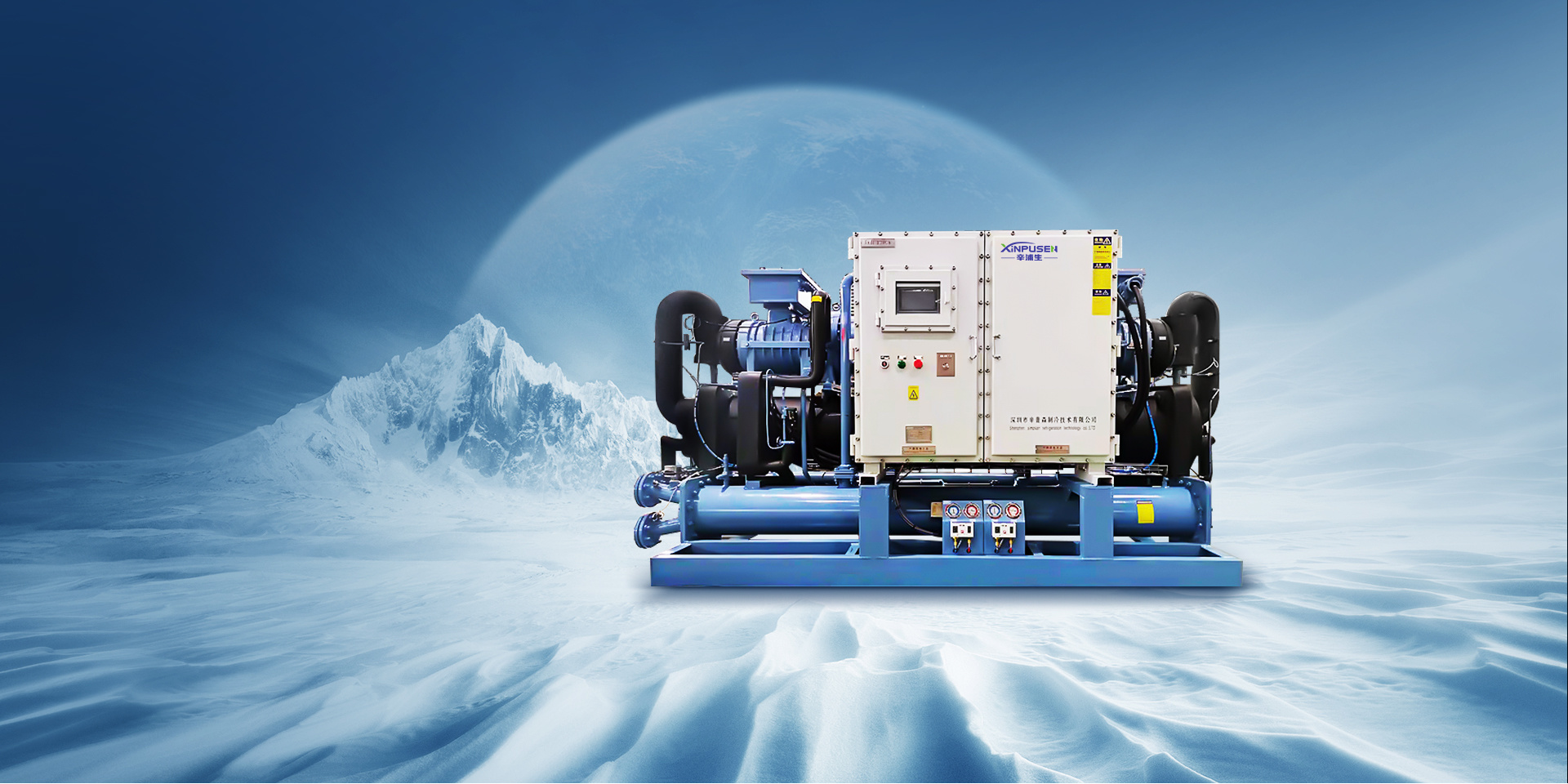
For products, we are seekers of perfection and excellence

Follow Simpson for the latest news

If you have any needs or suggestions, please contact us
 CN
CN EN
EN
News and Information
Follow Simpson for the latest news
Understanding the Benefits of a Low Temperature Refrigeration System: Maximizing Efficiency and Performance in Industrial Applications
2026-07-08 21:50
Understanding the Benefits of a Low Temperature Refrigeration System
Table of Contents
- Introduction to Low Temperature Refrigeration Systems
- What is Low Temperature Refrigeration?
- Benefits of Low Temperature Refrigeration Systems
- Enhanced Product Preservation
- Energy Efficiency and Savings
- Environmental Impact
- Versatility in Applications
- Technological Advancements in Low Temperature Refrigeration
- Case Studies and Examples
- Best Practices for Implementing Low Temperature Refrigeration Systems
- Frequently Asked Questions
- Conclusion
Introduction to Low Temperature Refrigeration Systems
Low temperature refrigeration systems are pivotal in various industries, particularly in food storage, pharmaceuticals, and chemical processing. By maintaining temperatures significantly below the freezing point of water, these systems ensure the preservation of temperature-sensitive products. As businesses strive for greater efficiency and sustainability, understanding the benefits of low temperature refrigeration systems becomes increasingly essential.
What is Low Temperature Refrigeration?
Low temperature refrigeration refers to the process of cooling substances or spaces to temperatures typically below -18°C (0°F). These systems utilize refrigerants that absorb heat from the environment, thereby maintaining a desired low temperature range. Industries that frequently employ low temperature refrigeration include:
- Food and Beverage
- Pharmaceuticals
- Chemicals
- Healthcare
Low temperature refrigeration systems can be categorized into several types, including:
- **Vapor Compression Systems**: The most common type, relying on mechanical components to compress refrigerant.
- **Absorption Refrigeration**: Utilizing heat sources, such as natural gas or waste heat, to drive the refrigeration cycle.
- **Cryogenic Refrigeration**: Achieving extremely low temperatures, often used in specialized applications like superconductivity.
Benefits of Low Temperature Refrigeration Systems
Utilizing low temperature refrigeration systems offers numerous advantages across various sectors. Here, we delve into some key benefits:
Enhanced Product Preservation
One of the most significant benefits of low temperature refrigeration is the enhanced preservation of perishable goods. By maintaining a stable, low temperature, these systems inhibit microbial growth and enzymatic reactions, thereby prolonging the shelf life of products such as:
- Meat and Seafood
- Dairy Products
- Frozen Foods
- Vaccines and Pharmaceuticals
This preservation capability ensures that products retain their quality, flavor, and nutritional value over extended periods, reducing waste and increasing customer satisfaction.
Energy Efficiency and Savings
Low temperature refrigeration systems have evolved significantly, becoming more energy-efficient over time. Modern systems often incorporate advanced technologies, such as variable speed drives and smart thermostats, which optimize energy consumption. The benefits of energy efficiency include:
- **Reduced Utility Costs**: Lower energy consumption directly translates to decreased electricity bills.
- **Incentives and Rebates**: Many regions offer financial incentives for implementing energy-efficient systems.
- **Long-Term Sustainability**: Energy-efficient systems contribute to a reduced carbon footprint and promote environmental sustainability.
By investing in a low temperature refrigeration system, businesses can achieve substantial savings while simultaneously supporting environmental initiatives.
Environmental Impact
Low temperature refrigeration systems play a vital role in reducing the environmental impact associated with traditional refrigeration methods. Key factors include:
- **Reduced Greenhouse Gas Emissions**: Energy-efficient systems consume less electricity, thereby lowering greenhouse gas emissions from power plants.
- **Use of Eco-Friendly Refrigerants**: Many modern low temperature refrigeration systems utilize refrigerants with lower global warming potentials (GWPs), contributing to a decrease in ozone depletion and climate change.
- **Waste Minimization**: By extending the shelf life of products, low temperature refrigeration reduces food waste and the associated environmental burdens of disposal.
Investing in low temperature refrigeration not only benefits businesses but also aligns with global sustainability goals.
Versatility in Applications
Low temperature refrigeration systems are remarkably versatile, finding applications in various sectors beyond the food industry. Some notable uses include:
- **Pharmaceutical Storage**: Maintaining the efficacy of vaccines, insulin, and other temperature-sensitive medications.
- **Chemical Processing**: Cooling chemical reactions to ensure safety and efficiency.
- **Research and Development**: Supporting laboratories in experiments requiring precise thermal control.
This versatility makes low temperature refrigeration systems essential assets in diverse industrial operations.
Technological Advancements in Low Temperature Refrigeration
The ongoing evolution of technology in refrigeration systems has led to improved performance, efficiency, and operational capabilities. Some significant advancements include:
- **Smart Refrigeration**: Integration of IoT technology allows for real-time monitoring and control, optimizing performance while minimizing downtime.
- **Enhanced Insulation Materials**: New insulation technologies improve thermal performance, reducing energy consumption.
- **Alternative Refrigerants**: Development of low-GWP refrigerants that are less harmful to the environment.
These advancements enable businesses to leverage cutting-edge technology for improved efficiency and sustainability in their refrigeration systems.
Case Studies and Examples
Real-world examples illustrate the practical benefits of low temperature refrigeration systems. Consider the following case studies:
1. **Food Distribution**: A national grocery chain implemented low temperature refrigeration systems across its supply chain, resulting in a 30% reduction in energy costs and a notable decrease in food spoilage.
2. **Pharmaceutical Company**: A pharmaceutical manufacturer upgraded its refrigeration systems to low temperature models, ensuring compliance with stringent storage regulations and improving product quality.
3. **Chemical Manufacturer**: A chemical processing plant utilized cryogenic refrigeration to enhance reaction efficiency, leading to significant cost savings and improved product yield.
These case studies exemplify how low temperature refrigeration systems can drive operational improvements and cost savings.
Best Practices for Implementing Low Temperature Refrigeration Systems
To maximize the benefits of low temperature refrigeration systems, organizations should consider several best practices:
- **Conduct an Energy Audit**: Assess current energy consumption and identify areas for efficiency improvements.
- **Select Appropriate Equipment**: Choose refrigeration systems that align with specific industry needs and regulatory requirements.
- **Regular Maintenance**: Implement a routine maintenance schedule to ensure optimal performance and prevent breakdowns.
- **Invest in Training**: Provide staff with training on efficient system operation and monitoring to maximize benefits.
By adhering to these best practices, organizations can enhance the longevity and efficiency of their low temperature refrigeration systems.
Frequently Asked Questions
1. What are the typical applications for low temperature refrigeration systems?
Low temperature refrigeration systems are commonly used in food preservation, pharmaceutical storage, chemical processing, and laboratory environments.
2. How do low temperature refrigeration systems impact energy costs?
These systems are designed for energy efficiency, often leading to significant cost savings on electricity bills compared to traditional refrigeration methods.
3. Are there specific refrigerants used in low temperature systems?
Yes, modern systems often utilize eco-friendly refrigerants with low global warming potentials to minimize environmental impact.
4. What maintenance is required for low temperature refrigeration systems?
Routine inspections, cleaning, and servicing of components such as compressors and evaporators are essential for optimal performance.
5. Can low temperature refrigeration systems be integrated with smart technology?
Absolutely! Many low temperature refrigeration systems now incorporate IoT technology for real-time monitoring and control, enhancing efficiency.
Conclusion
Low temperature refrigeration systems are critical for preserving the quality and safety of temperature-sensitive products across various industries. By understanding their benefits—ranging from enhanced product preservation and energy efficiency to environmental sustainability—businesses can make informed decisions regarding their refrigeration needs. As technology continues to evolve, the capabilities of these systems will only improve, ensuring that they remain an indispensable part of industrial operations. Investing in low temperature refrigeration not only enhances operational efficiency but also aligns with broader sustainability goals, making it a strategic choice for future-ready businesses.
Previous: Understanding Low Temperature Refrigeration Systems: A Comprehensive Guide
More Information

2026-07-22
How Low Temperature Refrigeration Systems Enhance Industrial Efficiency

2026-07-15
Understanding Low Temperature Refrigeration Systems: A Comprehensive Guide
2026-07-08

2026-07-01
Exploring Ultra Low Temperature Chillers: Innovations and Applications in Industrial Cooling
2026-07-22
How Low Temperature Refrigeration Systems Enhance Industrial Efficiency
Subscribe to our instant updates
Providing energy-efficient and innovative solutions for global industrial development

No. 26, Xin Yuan South Road, Shalu, Tangxia Town,Dongguan City, Guangdong Province; Building 1, Yongsheng Technology Industrial Park
0755-21017010
189-2749-0225
0755-23771793

Scan to add WeChat
© COPYRIGHT 2024 Shenzhen Xinpusen Refrigeration Technology Co., Ltd. ALL RIGHTS RESERVED Powered by www.300.cn