Shenzhen Simpsons Refrigeration Technology Co., Ltd.





In the global industrial temperature control field, we are pragmatic and innovative pioneers, providing energy-saving and innovative solutions for global industrial development, which is our ideal pursuit of hard work.

Focusing on the field of industrial temperature control, let China's energy-saving solutions nourish the world
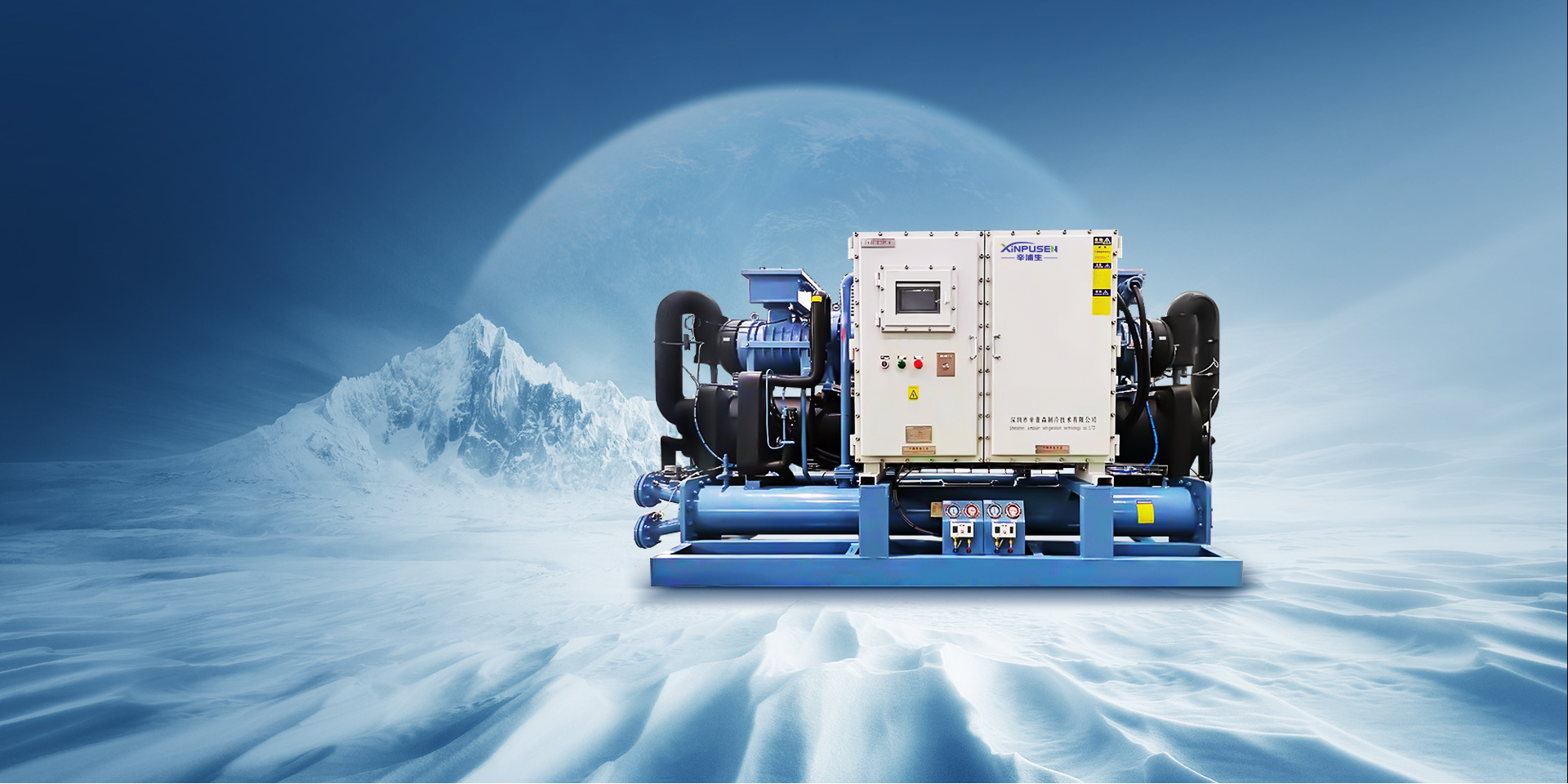
For products, we are seekers of perfection and excellence

Follow Simpson for the latest news

If you have any needs or suggestions, please contact us
 CN
 EN
News and Information
Follow Simpson for the latest news
Exploring Ultra Low Temperature Chillers: Innovations and Applications in Industrial Cooling
2026-07-01 18:10
The technology behind ultra low temperature chillers typically involves advanced refrigeration cycles that utilize refrigerants capable of achieving extreme cooling. Most systems employ a cascade refrigeration cycle, which combines multiple stages of compression and evaporation to reach ultra-low temperatures. This method optimizes performance and enhances efficiency, allowing for rapid cooling without compromising system reliability.
One of the primary benefits of ultra low temperature chillers is their ability to support sensitive processes. For instance, in the pharmaceutical industry, the storage of vaccines and biopharmaceuticals often requires stringent temperature control to maintain efficacy. Similarly, in research laboratories, cryogenic applications such as preserving biological samples or conducting experiments at low temperatures are made possible through these chillers.
Moreover, ultra low temperature chillers find significant use in the food processing sector, where maintaining low temperatures is crucial for food safety and quality. These chillers help to prevent microbial growth and spoilage during storage and transportation, ensuring products remain safe for consumption.
In addition to their applications, it's important to consider the energy efficiency of ultra low temperature chillers. As energy consumption is a critical factor in industrial operations, many manufacturers are now focusing on developing chillers that not only meet ultra-low temperature requirements but also adhere to energy-saving standards. This not only reduces operational costs but also contributes to environmental sustainability.
When selecting an ultra low temperature chiller, it's vital to assess specific requirements such as cooling capacity, temperature range, and integration with existing systems. Understanding these parameters will help in choosing the right chiller that aligns with operational needs. Furthermore, regular maintenance and monitoring of these systems are essential to ensure optimal performance and longevity.
In conclusion, ultra low temperature chillers are indispensable in various industrial applications requiring precise and reliable temperature control. Their advanced technology, efficiency, and ability to cater to sensitive processes make them a cornerstone of industrial cooling solutions. As industries continue to evolve, the demand for ultra low temperature chillers will undoubtedly grow, driving innovations that enhance their functionality and sustainability.
Previous: Understanding the Benefits of a Low Temperature Refrigeration System: Maximizing Efficiency and Performance in Industrial Applications
More Information

2026-07-22
How Low Temperature Refrigeration Systems Enhance Industrial Efficiency

2026-07-15
Understanding Low Temperature Refrigeration Systems: A Comprehensive Guide
2026-07-08

2026-07-01
Exploring Ultra Low Temperature Chillers: Innovations and Applications in Industrial Cooling
2026-07-22
How Low Temperature Refrigeration Systems Enhance Industrial Efficiency
Subscribe to our instant updates
Providing energy-efficient and innovative solutions for global industrial development

No. 26, Xin Yuan South Road, Shalu, Tangxia Town,Dongguan City, Guangdong Province; Building 1, Yongsheng Technology Industrial Park
0755-21017010
189-2749-0225
0755-23771793

Scan to add WeChat
© COPYRIGHT 2024 Shenzhen Xinpusen Refrigeration Technology Co., Ltd. ALL RIGHTS RESERVED Powered by www.300.cn