Shenzhen Simpsons Refrigeration Technology Co., Ltd.





In the global industrial temperature control field, we are pragmatic and innovative pioneers, providing energy-saving and innovative solutions for global industrial development, which is our ideal pursuit of hard work.

Focusing on the field of industrial temperature control, let China's energy-saving solutions nourish the world
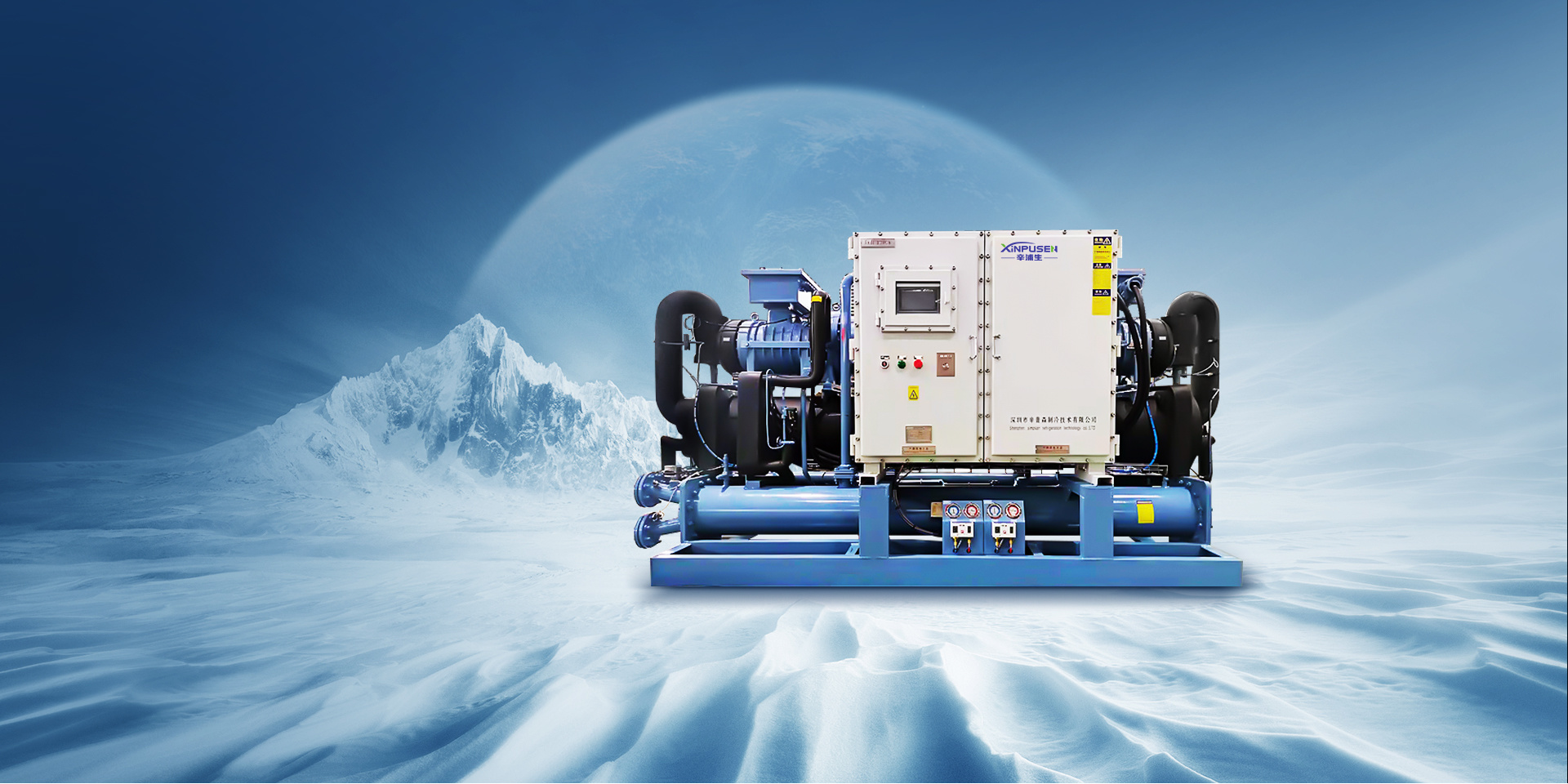
For products, we are seekers of perfection and excellence

Follow Simpson for the latest news

If you have any needs or suggestions, please contact us
 CN
CN EN
EN
News and Information
Follow Simpson for the latest news
Understanding Low Temperature Refrigeration Systems: A Comprehensive Guide
2026-07-15 19:00
At the core of low temperature refrigeration systems is the refrigeration cycle, which involves the absorption and rejection of heat. This cycle operates on the principle of transferring heat from a cooler area (the refrigerated space) to a warmer area (the environment). The primary components of a low temperature refrigeration system include the evaporator, compressor, condenser, and expansion valve.
The evaporator absorbs heat from the refrigerant, causing it to evaporate and cool the surrounding air or fluid. The compressor then compresses this vapor, increasing its pressure and temperature before sending it to the condenser. In the condenser, the refrigerant releases heat to the environment as it condenses back into a liquid. Finally, the expansion valve reduces the pressure of the refrigerant, allowing it to enter the evaporator again, completing the cycle.
Low temperature refrigeration systems are widely used in various applications, including food storage, pharmaceuticals, and laboratories. In the food industry, these systems help maintain the freshness and safety of perishable items, reducing spoilage and waste. In the pharmaceutical sector, they are essential for storing vaccines and other temperature-sensitive medications, ensuring their efficacy and safety.
Another critical application of low temperature refrigeration systems is in scientific research and industrial processes, such as cryogenics and the production of superconductors. These systems create environments necessary for experiments requiring extremely low temperatures, enabling advancements in various fields.
When selecting a low temperature refrigeration system, several factors must be considered, including the required temperature range, energy efficiency, and the specific application. Proper maintenance is also vital to ensure optimal performance and longevity. Regular inspections, cleaning, and timely repairs can prevent costly breakdowns and extend the lifespan of the system.
In conclusion, low temperature refrigeration systems play a vital role in preserving the quality and safety of products across multiple industries. By understanding their operation and applications, businesses can make informed decisions about their refrigeration needs, ensuring efficiency and compliance with industry standards. Whether in food storage, pharmaceuticals, or scientific research, these systems are indispensable for maintaining the integrity of temperature-sensitive products.
Previous:
More Information

2026-07-15
Understanding Low Temperature Refrigeration Systems: A Comprehensive Guide

2026-07-08

2026-07-01
Exploring Ultra Low Temperature Chillers: Innovations and Applications in Industrial Cooling
2026-06-24
Why Your Industrial Operations Need an Ultra Low Temperature Chiller
2026-07-15
Understanding Low Temperature Refrigeration Systems: A Comprehensive Guide
Subscribe to our instant updates
Providing energy-efficient and innovative solutions for global industrial development

Shenzhen Longhua District, Huan Guan South Road, Mayuan Industrial Zone, XINPUSEN Industrial Park
0755-21017010
189-2749-0225
0755-23771793

Scan to add WeChat
© COPYRIGHT 2024 Shenzhen Xinpusen Refrigeration Technology Co., Ltd. ALL RIGHTS RESERVED Powered by www.300.cn