Shenzhen Simpsons Refrigeration Technology Co., Ltd.





In the global industrial temperature control field, we are pragmatic and innovative pioneers, providing energy-saving and innovative solutions for global industrial development, which is our ideal pursuit of hard work.

Focusing on the field of industrial temperature control, let China's energy-saving solutions nourish the world
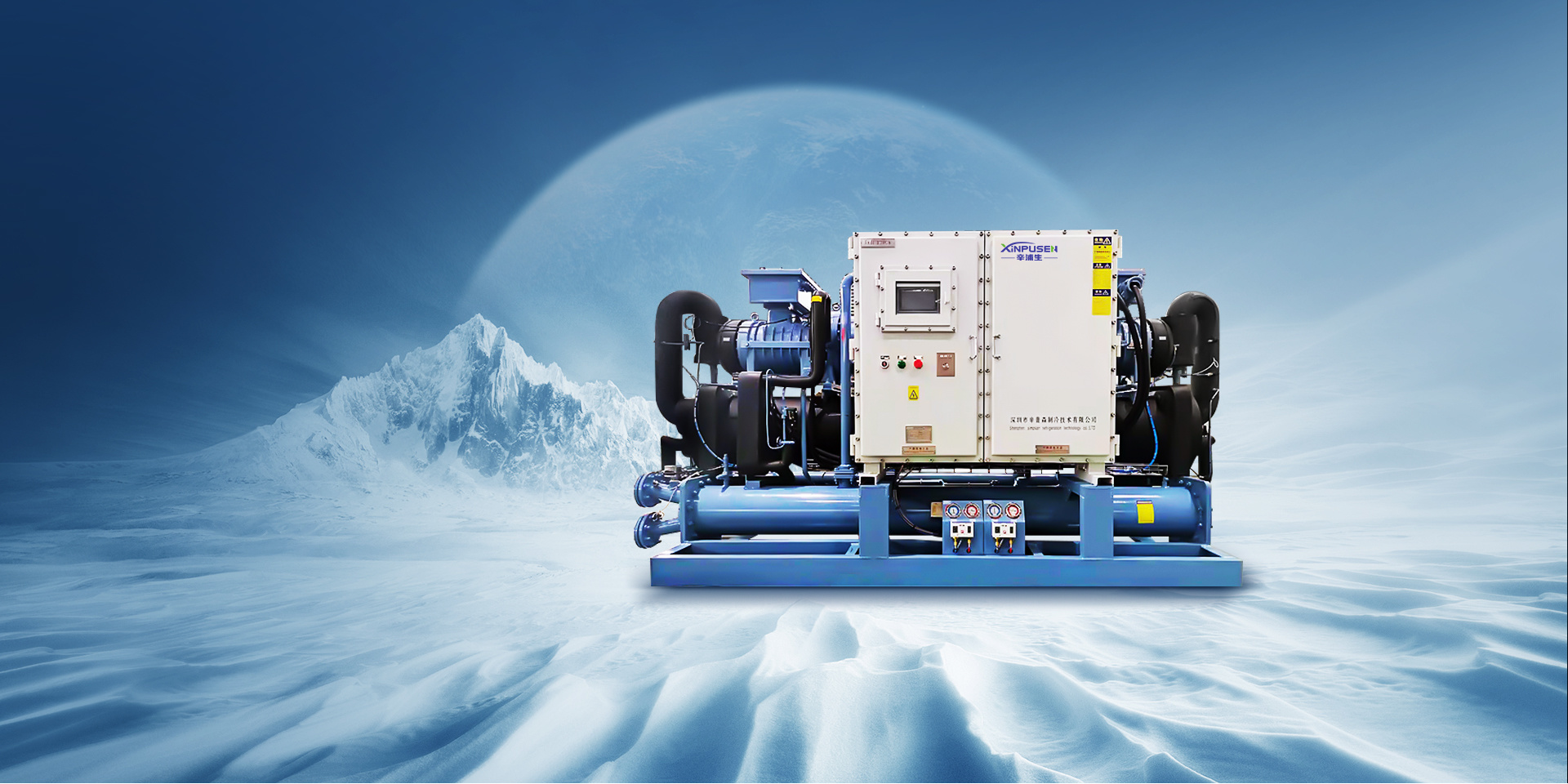
For products, we are seekers of perfection and excellence

Follow Simpson for the latest news

If you have any needs or suggestions, please contact us
 CN
CN EN
EN
News and Information
Follow Simpson for the latest news
Why Your Industrial Operations Need an Ultra Low Temperature Chiller
2026-06-24 18:50
Why Your Industrial Operations Need an Ultra Low Temperature Chiller
In today’s fast-paced industrial landscape, maintaining optimal temperature control is vital for operational efficiency and product quality. **Ultra low temperature chillers** have emerged as essential components for a range of industrial applications, from pharmaceuticals to food processing. This article delves into the necessity of ultra low temperature chillers and how they can significantly enhance your industrial operations.
Understanding Ultra Low Temperature Chillers
Ultra low temperature chillers are specialized cooling systems designed to achieve and maintain temperatures as low as -80°C (-112°F). They are engineered to handle the most demanding cooling requirements while ensuring reliability and efficiency.
Key Features of Ultra Low Temperature Chillers
1. **Temperature Precision**: Ultra low temperature chillers provide precise temperature control, crucial for experiments and processes that require stable conditions.
2. **Energy Efficiency**: Modern chillers are designed with energy-saving features that minimize operational costs while maximizing cooling performance.
3. **Robust Construction**: These chillers are built to withstand the rigors of industrial environments, ensuring long-term reliability and minimal downtime.
4. **Versatile Applications**: Ultra low temperature chillers can be used across various industries, making them a versatile asset for any operation.
The Importance of Temperature Control in Industrial Operations
Temperature control is paramount in numerous industrial applications. Fluctuations can lead to compromised product quality, safety hazards, and costly downtimes.
Applications of Ultra Low Temperature Chillers
1. **Pharmaceutical Production**: In pharmaceutical manufacturing, maintaining precise temperatures is crucial for preserving the efficacy of sensitive compounds and ensuring compliance with stringent regulations.
2. **Food and Beverage Processing**: Ultra low temperature chillers help in maintaining the freshness of perishable goods, extending shelf life, and enhancing product safety.
3. **Laboratory Research**: Laboratories often require ultra-low temperatures for various experiments. Chillers provide the necessary cooling to store samples and chemicals safely.
4. **Chemical Processing**: Many chemical reactions are temperature-sensitive. Ultra low temperature chillers prevent overheating, ensuring the desired reaction rates and product quality.
Benefits of Using Ultra Low Temperature Chillers in Your Operations
Investing in ultra low temperature chillers can provide numerous advantages that enhance your operational capabilities.
Improved Product Quality
**Consistent temperature maintenance** ensures that your products retain their quality and integrity. For industries like pharmaceuticals and food processing, this is non-negotiable.
Operational Efficiency
By reducing the risk of temperature fluctuations, ultra low temperature chillers contribute to smoother operations and minimize the likelihood of production delays.
Regulatory Compliance
Many industries face strict regulations regarding temperature control. Using ultra low temperature chillers helps ensure compliance with these regulations, reducing the risk of penalties and recalls.
Cost Savings
While the initial investment may seem significant, the long-term savings in energy consumption, reduced waste, and improved product quality often outweigh the costs.
Choosing the Right Ultra Low Temperature Chiller for Your Needs
When selecting an ultra low temperature chiller, consider the following factors:
Cooling Capacity
Determine the required cooling capacity based on your specific applications to ensure optimal performance.
Energy Efficiency Ratings
Look for models with high energy efficiency ratings to save on operational costs.
Maintenance Requirements
Select a chiller that offers low maintenance needs to minimize downtime and ensure continuous operation.
Temperature Range
Ensure the chiller can achieve the necessary temperature range for your specific industrial applications.
Installation and Maintenance of Ultra Low Temperature Chillers
Proper installation and maintenance are crucial for maximizing the performance of ultra low temperature chillers.
Installation Best Practices
1. **Site Assessment**: Conduct a thorough assessment of the installation site to determine the best location for the chiller.
2. **Professional Installation**: Engage certified professionals for installation to ensure compliance with safety standards and operational efficiency.
Routine Maintenance Tips
1. **Regular Inspections**: Schedule routine inspections to identify potential issues before they escalate.
2. **Clean Condenser Coils**: Ensure that condenser coils are kept clean and free from debris to maintain operational efficiency.
3. **Monitor Performance**: Keep track of temperature settings and performance metrics to identify any anomalies early on.
Common Challenges and Solutions with Ultra Low Temperature Chillers
Though ultra low temperature chillers offer numerous benefits, they may pose certain challenges.
Challenge: High Initial Costs
**Solution**: Consider the long-term savings in energy consumption and product quality that make the investment worthwhile.
Challenge: Maintenance Complexity
**Solution**: Implement a comprehensive maintenance plan, including routine checks and professional servicing to ensure longevity.
Challenge: Space Limitations
**Solution**: Explore compact models or consult with manufacturers for customized solutions that fit within your available space.
FAQs About Ultra Low Temperature Chillers
What is the typical temperature range for ultra low temperature chillers?
The typical temperature range for ultra low temperature chillers is between -20°C to -80°C (-4°F to -112°F), depending on the model.
How do ultra low temperature chillers differ from standard chillers?
Ultra low temperature chillers are specifically designed to maintain much lower temperatures, making them suitable for sensitive applications that require precise cooling.
What industries benefit the most from ultra low temperature chillers?
Industries such as pharmaceuticals, biotechnology, chemical processing, and food and beverage industries benefit significantly from ultra low temperature chillers.
How can I improve the energy efficiency of my ultra low temperature chiller?
Regular maintenance, optimizing the cooling load, and investing in energy-efficient models can improve the energy efficiency of your chiller.
What are the signs that my ultra low temperature chiller needs servicing?
Signs include unusual noises, temperature inconsistencies, increased energy consumption, or any warning alerts from the control system.
Conclusion
In summary, ultra low temperature chillers are indispensable assets for any industrial operation that prioritizes product quality, operational efficiency, and regulatory compliance. By understanding the features, applications, and benefits of these chillers, businesses can make informed decisions that enhance their productivity and ensure long-term success. Investing in the right ultra low temperature chiller not only meets the immediate cooling needs but also contributes to sustainable operational practices that can propel your business forward.
More Information

2026-06-24
Why Your Industrial Operations Need an Ultra Low Temperature Chiller
2026-06-08
How a Water Temperature Control System Enhances Industrial Cooling

2026-06-01
Understanding Water Temperature Control Systems in Industrial Cooling Applications
2026-05-25
2026-06-24
Why Your Industrial Operations Need an Ultra Low Temperature Chiller
Subscribe to our instant updates
Providing energy-efficient and innovative solutions for global industrial development

Shenzhen Longhua District, Huan Guan South Road, Mayuan Industrial Zone, XINPUSEN Industrial Park
0755-21017010
189-2749-0225
0755-23771793

Scan to add WeChat
© COPYRIGHT 2024 Shenzhen Xinpusen Refrigeration Technology Co., Ltd. ALL RIGHTS RESERVED Powered by www.300.cn