Shenzhen Simpsons Refrigeration Technology Co., Ltd.





In the global industrial temperature control field, we are pragmatic and innovative pioneers, providing energy-saving and innovative solutions for global industrial development, which is our ideal pursuit of hard work.

Focusing on the field of industrial temperature control, let China's energy-saving solutions nourish the world
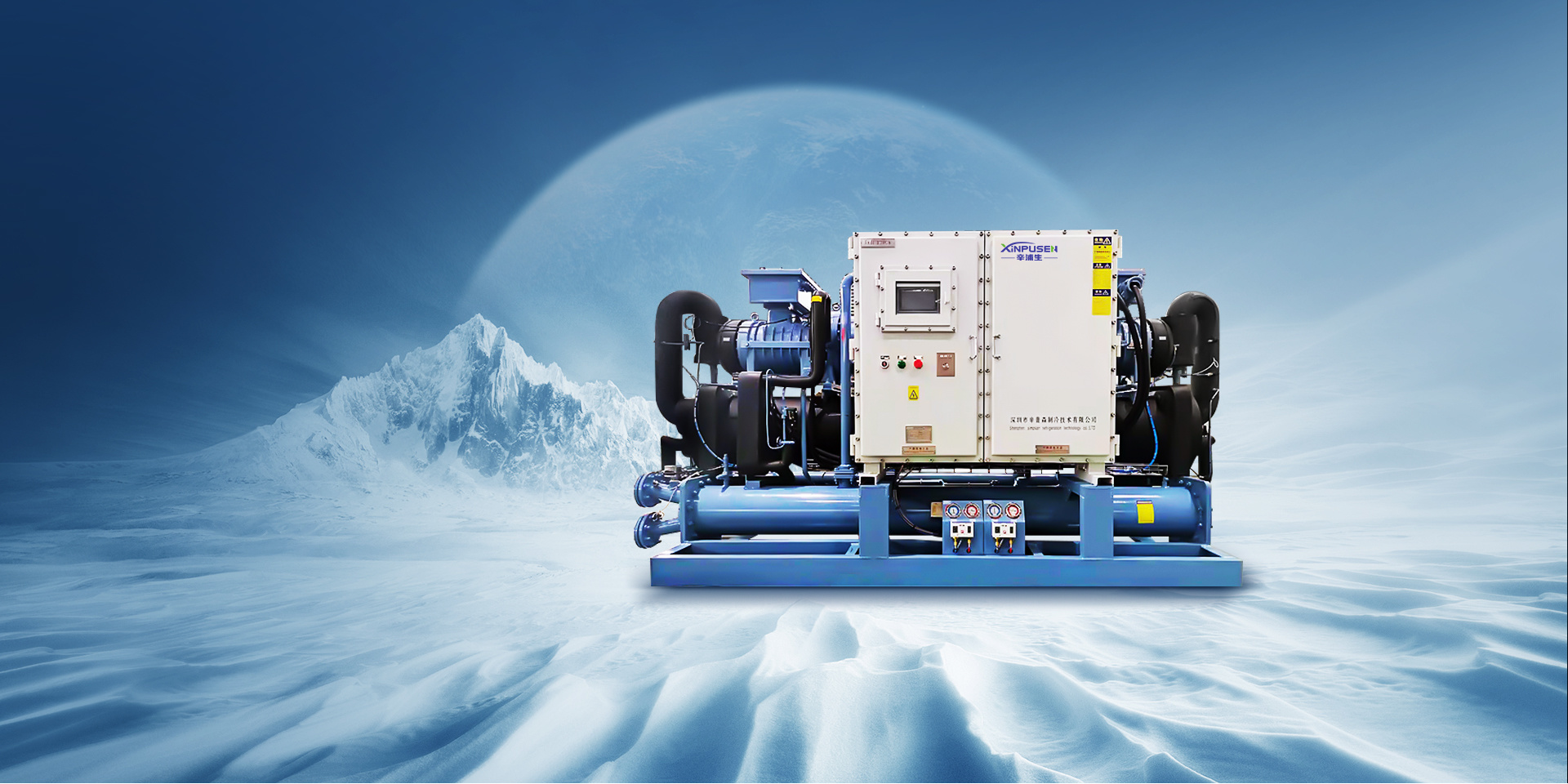
For products, we are seekers of perfection and excellence

Follow Simpson for the latest news

If you have any needs or suggestions, please contact us
 CN
CN EN
EN
News and Information
Follow Simpson for the latest news
Discover the Benefits of a Natural Cooling Air-Cooled Chiller for Industrial Applications
2025-08-06 17:00
Discover the Benefits of a Natural Cooling Air-Cooled Chiller
Table of Contents
- Introduction to Natural Cooling Air-Cooled Chillers
- What Is a Natural Cooling Air-Cooled Chiller?
- Advantages of Natural Cooling Air-Cooled Chillers
- Applications of Natural Cooling Air-Cooled Chillers
- How Natural Cooling Air-Cooled Chillers Work
- Maintenance and Lifespan of Natural Cooling Air-Cooled Chillers
- Choosing the Right Natural Cooling Air-Cooled Chiller for Your Needs
- Frequently Asked Questions
- Conclusion
Introduction to Natural Cooling Air-Cooled Chillers
In the industrial world, **efficient cooling solutions** are paramount for maintaining optimal operations. Among various cooling systems, **natural cooling air-cooled chillers** stand out for their innovative technology and substantial benefits. As industries strive for sustainability and cost-efficiency, understanding the capabilities of these chillers is essential. This article delves deep into their functionality, advantages, and applications, providing a comprehensive overview for decision-makers in the industry.
What Is a Natural Cooling Air-Cooled Chiller?
A **natural cooling air-cooled chiller** is a refrigeration system that utilizes ambient air as a primary cooling medium. Unlike traditional chillers that rely heavily on refrigerants, these systems incorporate advanced technologies to harness natural air currents for cooling purposes. This leads to a more eco-friendly and efficient cooling process, making them ideal for various industrial applications.
Key Components of a Natural Cooling Air-Cooled Chiller
Natural cooling air-cooled chillers consist of several key components, each playing a significant role in their overall efficiency:
- **Evaporator**: This component absorbs heat from the process fluid, leading to cooling.
- **Compressor**: It circulates the refrigerant and increases its pressure.
- **Condenser**: Utilizing ambient air, the condenser releases heat from the refrigerant, enabling efficient cooling.
- **Expansion Valve**: This regulates the flow of refrigerant back into the evaporator.
Advantages of Natural Cooling Air-Cooled Chillers
Natural cooling air-cooled chillers offer a myriad of benefits that set them apart from traditional cooling systems. Below, we explore the most prominent advantages.
Energy Efficiency
One of the standout features of natural cooling air-cooled chillers is their **energy efficiency**. By utilizing ambient air for cooling, these systems substantially reduce energy consumption compared to conventional chillers that rely on electricity. This not only lowers operational costs but also minimizes the carbon footprint of industrial processes.
Environmental Sustainability
With increasing global emphasis on sustainability, natural cooling air-cooled chillers align perfectly with environmental goals. Their design reduces reliance on harmful refrigerants and conserves energy, contributing to a more sustainable industrial future. Using such chillers is an effective strategy for companies aiming to enhance their eco-friendly practices.
Cost-Effectiveness
Investing in natural cooling air-cooled chillers can yield significant long-term savings. While the upfront cost may be higher than traditional systems, the reduced energy consumption and lower maintenance costs lead to substantial savings over time. Moreover, many regions offer incentives for using energy-efficient solutions, further enhancing the financial viability of these systems.
Applications of Natural Cooling Air-Cooled Chillers
Natural cooling air-cooled chillers are versatile and can be utilized across various industries. Here are some key applications:
Food and Beverage Industry
In the food and beverage sector, maintaining specific temperatures is critical for product safety and quality. Natural cooling air-cooled chillers provide reliable cooling solutions for storage and production processes.
Pharmaceutical Manufacturing
The pharmaceutical industry requires stringent temperature control for drug production and storage. Natural cooling chillers ensure stable temperatures, safeguarding the efficacy of sensitive products.
Data Centers
Data centers generate significant heat, necessitating efficient cooling solutions. Natural cooling air-cooled chillers can effectively manage temperatures, ensuring optimal performance and longevity of equipment.
How Natural Cooling Air-Cooled Chillers Work
Understanding the operational mechanics of natural cooling air-cooled chillers is essential for appreciating their benefits.
The Cooling Process
The cooling cycle begins with the evaporator absorbing heat from the fluid to be cooled. The refrigerant then evaporates, absorbing heat and transforming into a gas. This gas is compressed, increasing its pressure and temperature. The hot gas moves to the condenser, where ambient air cools it, allowing the refrigerant to condense back into a liquid state. This cycle repeats as the refrigerant continues to circulate.
Smart Technology Integration
Many modern natural cooling air-cooled chillers come equipped with smart technology that optimizes performance. Features such as variable speed drives and IoT integration enable real-time monitoring and adjustments, ensuring maximum efficiency.
Maintenance and Lifespan of Natural Cooling Air-Cooled Chillers
Regular maintenance is crucial to ensure the longevity and efficiency of natural cooling air-cooled chillers. Routine checks on components such as the evaporator, compressor, and condenser can prevent potential issues and prolong the system's lifespan.
Recommended Maintenance Practices
1. **Regular Filter Changes**: Keeping filters clean ensures optimal airflow and efficiency.
2. **Inspection of Components**: Routine inspections help identify wear and tear before they escalate into significant issues.
3. **Seasonal Cleaning**: Cleaning the condenser fins and evaporator coils improves system performance.
Choosing the Right Natural Cooling Air-Cooled Chiller for Your Needs
Selecting the appropriate natural cooling air-cooled chiller involves several considerations:
Factors to Consider
- **Cooling Capacity**: Determine the specific cooling requirements for your application.
- **Space Availability**: Assess the available installation space to ensure proper fitting.
- **Energy Efficiency Ratings**: Look for units with high efficiency ratings to maximize savings.
- **Manufacturer Reputation**: Choose reliable brands known for quality and service support.
Frequently Asked Questions
1. What is the primary advantage of natural cooling air-cooled chillers?
The primary advantage is energy efficiency, as they utilize ambient air for cooling, leading to lower operational costs and reduced environmental impact.
2. Are natural cooling air-cooled chillers suitable for all industrial applications?
While they are versatile, it's essential to evaluate the specific cooling needs of your application to ensure compatibility.
3. How do I maintain a natural cooling air-cooled chiller?
Regular maintenance includes changing filters, inspecting components, and cleaning condenser fins to ensure optimal performance.
4. What is the lifespan of a natural cooling air-cooled chiller?
With proper maintenance, these chillers can last 15-20 years or longer, depending on usage and environmental conditions.
5. Can I integrate smart technology with my natural cooling air-cooled chiller?
Yes, many modern chillers come with smart technology options that allow for real-time monitoring and optimization of performance.
Conclusion
Natural cooling air-cooled chillers present a robust solution for industries seeking efficient, sustainable, and cost-effective cooling options. With the advantages of energy efficiency, environmental sustainability, and versatility in application, these chillers are poised to lead the market. As industries increasingly prioritize eco-friendly practices, investing in a natural cooling air-cooled chiller not only meets operational needs but also aligns with broader sustainability goals. For businesses striving for innovation and efficiency, the transition to natural cooling systems is a forward-thinking choice that promises significant benefits in the long run.
Previous: Exploring the Benefits of Natural Cooling Air-Cooled Chillers in Industrial Applications
More Information

2026-07-15
Understanding Low Temperature Refrigeration Systems: A Comprehensive Guide

2026-07-08

2026-07-01
Exploring Ultra Low Temperature Chillers: Innovations and Applications in Industrial Cooling
2026-06-24
Why Your Industrial Operations Need an Ultra Low Temperature Chiller
2026-07-15
Understanding Low Temperature Refrigeration Systems: A Comprehensive Guide
Subscribe to our instant updates
Providing energy-efficient and innovative solutions for global industrial development

Shenzhen Longhua District, Huan Guan South Road, Mayuan Industrial Zone, XINPUSEN Industrial Park
0755-21017010
189-2749-0225
0755-23771793

Scan to add WeChat
© COPYRIGHT 2024 Shenzhen Xinpusen Refrigeration Technology Co., Ltd. ALL RIGHTS RESERVED Powered by www.300.cn