Shenzhen Simpsons Refrigeration Technology Co., Ltd.





In the global industrial temperature control field, we are pragmatic and innovative pioneers, providing energy-saving and innovative solutions for global industrial development, which is our ideal pursuit of hard work.

Focusing on the field of industrial temperature control, let China's energy-saving solutions nourish the world
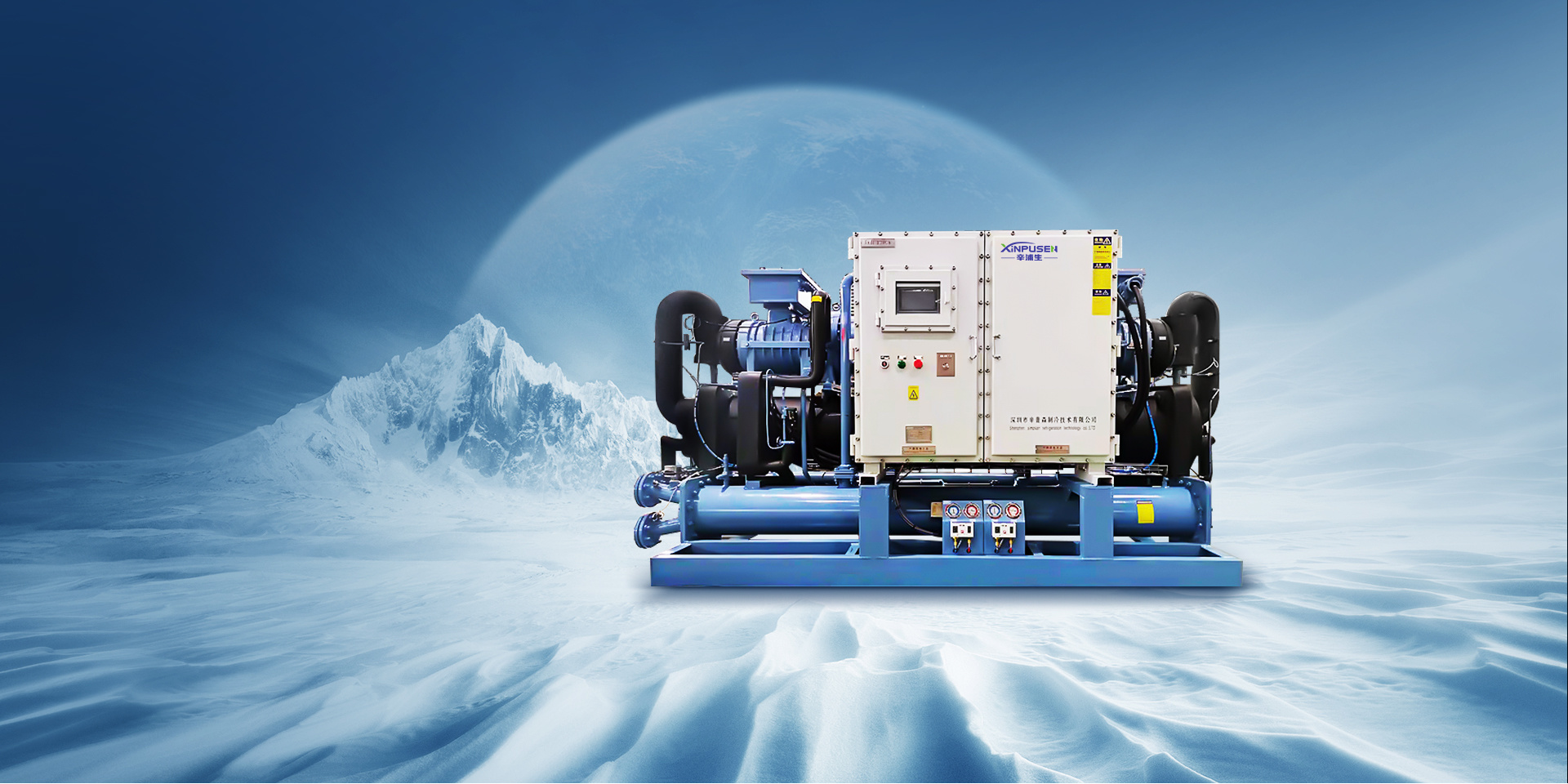
For products, we are seekers of perfection and excellence

Follow Simpson for the latest news

If you have any needs or suggestions, please contact us
 CN
CN EN
EN
News and Information
Follow Simpson for the latest news
Understanding Ultra-Low Temperature Cascade Chillers: A Comprehensive Guide
2025-11-03 11:20
Ultra-low temperature cascade chillers are specialized cooling systems designed to achieve and maintain extremely low temperatures, often well below the freezing point of water. These systems are critical in various industrial applications, including scientific research, pharmaceuticals, and certain manufacturing processes. Understanding how these chillers work and their benefits can help industries optimize their cooling solutions.
At their core, ultra-low temperature cascade chillers operate on the principle of using two or more refrigerant circuits, each designed to operate at different temperature ranges. The first stage of cooling brings the temperature down to a moderate level, while the second stage further reduces the temperature to ultra-low levels. This cascading effect allows for greater efficiency and more effective temperature control compared to traditional cooling methods.
One of the primary applications of ultra-low temperature cascade chillers is in laboratories and medical facilities that require precise temperature regulation for sensitive experiments or storage. Biological samples, pharmaceuticals, and certain chemicals require consistent low temperatures to maintain their stability and efficacy. In these settings, any fluctuations in temperature can lead to significant errors or product degradation, underscoring the importance of reliable cooling systems.
Another significant benefit of ultra-low temperature cascade chillers is their energy efficiency. While they are designed for demanding cooling requirements, advancements in technology have led to more energy-efficient models that reduce operational costs. Moreover, many modern chillers incorporate features like variable speed compressors and advanced controls, allowing for better energy management and reduced environmental impact.
In addition to their applications in laboratories and pharmaceuticals, ultra-low temperature cascade chillers are also utilized in industries such as electronics manufacturing and food processing. In electronics, specific components may require ultra-low temperatures to ensure optimal performance and longevity. In food processing, these chillers can help in freezing and preserving perishable items without compromising quality.
Maintenance and proper operation of ultra-low temperature cascade chillers are critical to their performance. Regular servicing, including checking refrigerant levels, cleaning filters, and monitoring system pressures, can prevent breakdowns and extend the lifespan of the equipment. Furthermore, keeping the system well-maintained ensures that it operates at peak efficiency, thus preserving energy and reducing costs.
In conclusion, ultra-low temperature cascade chillers represent a vital component in modern industrial applications. Their ability to maintain extremely low temperatures, coupled with energy efficiency and reliability, makes them indispensable for sectors that depend on precise cooling solutions. By understanding their functionality and applications, industries can make informed decisions when it comes to cooling technologies, ensuring they choose the right systems to meet their specific needs.
Previous: How Ultra-Low Temperature Cascade Chillers Revolutionize Cooling Processes
More Information

2026-07-15
Understanding Low Temperature Refrigeration Systems: A Comprehensive Guide

2026-07-08

2026-07-01
Exploring Ultra Low Temperature Chillers: Innovations and Applications in Industrial Cooling
2026-06-24
Why Your Industrial Operations Need an Ultra Low Temperature Chiller
2026-07-15
Understanding Low Temperature Refrigeration Systems: A Comprehensive Guide
Subscribe to our instant updates
Providing energy-efficient and innovative solutions for global industrial development

Shenzhen Longhua District, Huan Guan South Road, Mayuan Industrial Zone, XINPUSEN Industrial Park
0755-21017010
189-2749-0225
0755-23771793

Scan to add WeChat
© COPYRIGHT 2024 Shenzhen Xinpusen Refrigeration Technology Co., Ltd. ALL RIGHTS RESERVED Powered by www.300.cn