Shenzhen Simpsons Refrigeration Technology Co., Ltd.





In the global industrial temperature control field, we are pragmatic and innovative pioneers, providing energy-saving and innovative solutions for global industrial development, which is our ideal pursuit of hard work.

Focusing on the field of industrial temperature control, let China's energy-saving solutions nourish the world
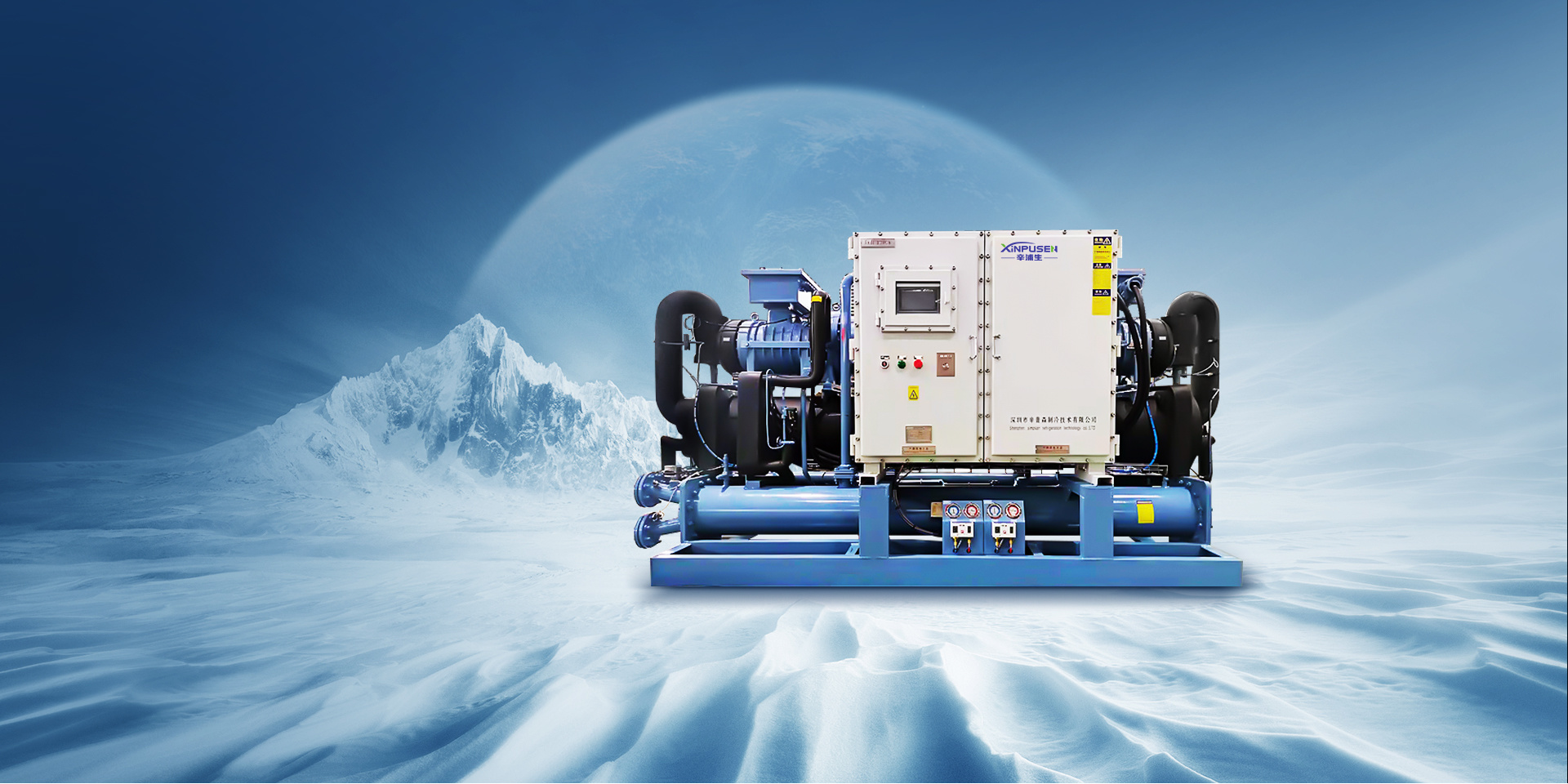
For products, we are seekers of perfection and excellence

Follow Simpson for the latest news

If you have any needs or suggestions, please contact us
 CN
CN EN
EN
News and Information
Follow Simpson for the latest news
Integrated Chiller Systems: A Smart Investment for Modern Factories
2025-12-22 11:10
Integrated Chiller Systems: A Smart Investment for Modern Factories
Table of Contents
- 1. Introduction to Integrated Chiller Systems
- 2. Understanding Chillers: Types and Functions
- 3. Benefits of Integrated Chiller Systems in Manufacturing
- 4. Energy Efficiency: The Core Advantage
- 5. Advanced Technologies in Integrated Chiller Systems
- 6. Cost Analysis: Is It Worth the Investment?
- 7. Real-World Applications: Case Studies
- 8. Maintenance Best Practices for Longevity
- 9. The Future of Integrated Chiller Systems
- 10. Conclusion
- 11. Frequently Asked Questions
1. Introduction to Integrated Chiller Systems
In the rapidly evolving landscape of manufacturing, **efficient cooling solutions** are paramount. Integrated chiller systems represent a **modern approach** to maintaining optimal temperatures for various industrial processes. These systems not only enhance cooling efficiency but also contribute to significant cost savings and reduced environmental impact. In this article, we explore why integrated chiller systems are a smart investment for modern factories.
2. Understanding Chillers: Types and Functions
Chillers play a critical role in industrial operations by removing heat from liquids through vapor-compression or absorption refrigeration cycles. There are two primary types of chillers:
2.1 Vapor-Compression Chillers
These chillers use mechanical energy to compress refrigerant, facilitating the heat exchange process. They are widely recognized for their efficiency and reliability, making them a popular choice in various industrial applications.
2.2 Absorption Chillers
Absorption chillers, on the other hand, utilize thermal energy to drive the cooling process. They are commonly powered by steam, hot water, or natural gas, making them suitable for facilities with waste heat available for utilization.
3. Benefits of Integrated Chiller Systems in Manufacturing
Integrated chiller systems offer numerous advantages that can improve overall factory operations. Here are some key benefits:
3.1 Enhanced Energy Efficiency
With rising energy costs, the efficiency of cooling systems has become critical. Integrated chiller systems are designed to operate efficiently, often using advanced controls and variable speed drives to adjust their output according to cooling demand. This capability leads to substantial energy savings.
3.2 Improved Reliability
Integrated systems often come with **redundancy features** and advanced monitoring capabilities. This ensures that the cooling system remains operational, minimizing downtime that can disrupt production.
3.3 Environmental Sustainability
Modern integrated chillers use environmentally friendly refrigerants and technologies that reduce greenhouse gas emissions. By investing in these systems, factories can demonstrate their commitment to sustainability while complying with increasing environmental regulations.
3.4 Space Optimization
Integrated chiller systems are typically more compact than traditional units, which allows factories to optimize their floor space. This is particularly advantageous in facilities where space is at a premium.
4. Energy Efficiency: The Core Advantage
Energy efficiency is a central pillar of integrated chiller systems. Their design incorporates several features that optimize energy use:
4.1 Variable Speed Drives
These drives allow chillers to adjust their speed according to the cooling load, significantly reducing energy consumption during periods of lower demand.
4.2 Smart Controls
With advanced control systems, integrated chillers can monitor performance in real-time, making adjustments to maximize efficiency. These smart systems can also be integrated with building management systems for enhanced oversight.
4.3 Heat Recovery Options
Many integrated systems provide options for heat recovery. This means that waste heat generated during the cooling process can be redirected for other uses, such as space heating or hot water production, further enhancing overall energy efficiency.
5. Advanced Technologies in Integrated Chiller Systems
The technological advancements in integrated chiller systems are paving the way for more efficient operations. Here are some groundbreaking technologies:
5.1 IoT Integration
The Internet of Things (IoT) allows integrated chiller systems to connect with other factory equipment. This connectivity enables predictive maintenance, where potential issues can be identified before they lead to failures.
5.2 Machine Learning Algorithms
Machine learning enhances performance optimization by analyzing historical data and predicting future cooling needs. This enables chiller systems to adjust proactively to changing conditions.
5.3 Remote Monitoring
Remote monitoring capabilities enable factory managers to oversee system performance from anywhere. This feature ensures quick responses to any operational issues, reducing potential downtime.
6. Cost Analysis: Is It Worth the Investment?
While the initial investment in integrated chiller systems may be significant, the long-term savings often justify the expenditure. A thorough cost-benefit analysis should include:
6.1 Energy Savings
By utilizing advanced efficiency features, integrated chillers can lead to substantial reductions in energy bills. In many cases, the energy savings alone can pay off the investment within a few years.
6.2 Maintenance Costs
Integrated systems are designed for reliability and ease of maintenance, which can lower overall maintenance costs. Moreover, the advanced monitoring systems reduce the likelihood of unexpected failures.
6.3 Increased Production Efficiency
A reliable cooling system ensures that production processes remain uninterrupted. By minimizing downtime, factories can maintain higher productivity levels, positively impacting profit margins.
7. Real-World Applications: Case Studies
To illustrate the effectiveness of integrated chiller systems, we can examine several case studies from various industries:
7.1 Case Study 1: Automotive Manufacturing Plant
An automotive manufacturer implemented an integrated chiller system to support its assembly lines. The result was a **25% reduction in energy costs** and improved production reliability, leading to a noticeable increase in output.
7.2 Case Study 2: Food Processing Facility
A food processing plant upgraded to an integrated chiller system that included heat recovery technology. This upgrade allowed them to reuse waste heat for other processes, achieving **annual savings of $100,000**.
7.3 Case Study 3: Textile Factory
A textile factory reported enhanced operational flexibility after installing an integrated chiller system. The factory could adjust its cooling capacity based on varying production schedules, leading to improved efficiency and reduced energy usage.
8. Maintenance Best Practices for Longevity
To maximize the lifespan and efficiency of integrated chiller systems, regular maintenance is essential. Here are some best practices:
8.1 Scheduled Inspections
Conduct regular inspections to check for refrigerant leaks, mechanical wear, and system performance. Early detection of issues can prevent costly repairs.
8.2 Cleaning Coils
Ensure that evaporator and condenser coils are cleaned regularly to maintain optimal heat exchange efficiency. Dirty coils can significantly reduce system performance.
8.3 Monitoring System Performance
Utilize the advanced monitoring features of integrated chiller systems to track performance metrics. This data can inform maintenance schedules and operational adjustments.
9. The Future of Integrated Chiller Systems
The future of integrated chiller systems appears promising, with ongoing advancements in technology and sustainability. As industries increasingly prioritize energy efficiency and environmental responsibility, integrated chillers will play a crucial role in shaping the next generation of manufacturing.
9.1 Increased Focus on Sustainability
With stricter regulations on emissions and a global push for sustainability, integrated chiller systems will need to adapt continuously. This includes adopting even more eco-friendly refrigerants and technologies.
9.2 Smart Factories
As factories move towards greater automation and smart technologies, integrated chillers will integrate seamlessly with other systems, creating a more cohesive manufacturing environment.
10. Conclusion
In conclusion, integrated chiller systems constitute a vital investment for modern factories aiming to enhance operational efficiency, reduce costs, and commit to sustainability. The benefits—ranging from improved energy efficiency to advanced technological integration—make them an appealing choice for manufacturers looking to stay competitive. Embracing this technology not only supports the bottom line but also aligns with the global movement towards more environmentally conscious industrial practices.
11. Frequently Asked Questions
11.1 What is an integrated chiller system?
An integrated chiller system is a centralized cooling solution that combines various components to optimize cooling efficiency and performance in industrial settings.
11.2 How do integrated chillers improve energy efficiency?
Integrated chillers utilize technologies such as variable speed drives and smart controls to minimize energy consumption by adjusting their output based on actual cooling demands.
11.3 What maintenance is required for integrated chiller systems?
Regular maintenance includes scheduled inspections, cleaning of coils, and performance monitoring to ensure optimal operation and longevity.
11.4 Are integrated chiller systems more expensive than traditional chillers?
While the initial investment may be higher, integrated chiller systems often result in lower operational and maintenance costs, making them a cost-effective solution in the long run.
11.5 How can I know if an integrated chiller is right for my factory?
Consulting with an HVAC professional can help assess your specific cooling needs and determine whether an integrated chiller system is the best fit for your operations.
Previous: Understanding Water-Cooled Industrial Chillers: Key Insights for Efficient Cooling Solutions
More Information

2026-07-15
Understanding Low Temperature Refrigeration Systems: A Comprehensive Guide

2026-07-08

2026-07-01
Exploring Ultra Low Temperature Chillers: Innovations and Applications in Industrial Cooling
2026-06-24
Why Your Industrial Operations Need an Ultra Low Temperature Chiller
2026-07-15
Understanding Low Temperature Refrigeration Systems: A Comprehensive Guide
Subscribe to our instant updates
Providing energy-efficient and innovative solutions for global industrial development

Shenzhen Longhua District, Huan Guan South Road, Mayuan Industrial Zone, XINPUSEN Industrial Park
0755-21017010
189-2749-0225
0755-23771793

Scan to add WeChat
© COPYRIGHT 2024 Shenzhen Xinpusen Refrigeration Technology Co., Ltd. ALL RIGHTS RESERVED Powered by www.300.cn