Shenzhen Simpsons Refrigeration Technology Co., Ltd.





In the global industrial temperature control field, we are pragmatic and innovative pioneers, providing energy-saving and innovative solutions for global industrial development, which is our ideal pursuit of hard work.

Focusing on the field of industrial temperature control, let China's energy-saving solutions nourish the world
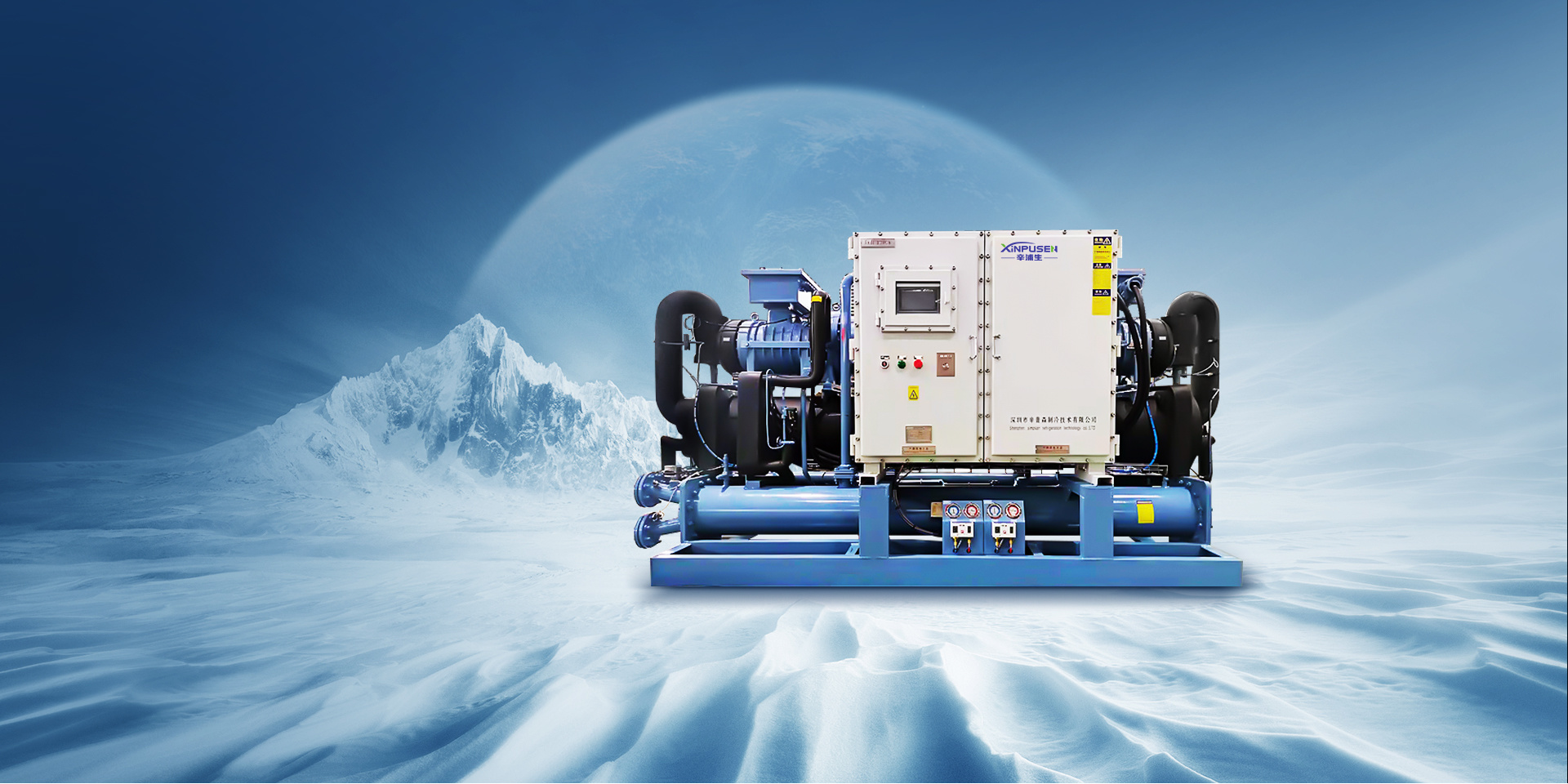
For products, we are seekers of perfection and excellence

Follow Simpson for the latest news

If you have any needs or suggestions, please contact us
 CN
CN EN
EN
News and Information
Follow Simpson for the latest news
Exploring the Benefits of Ultra-Low Temperature Chillers: Enhancing Efficiency and Performance in Industrial Applications
2026-01-19 11:30
Exploring the Benefits of Ultra-Low Temperature Chillers
Table of Contents
- 1. Introduction to Ultra-Low Temperature Chillers
- 2. What Are Ultra-Low Temperature Chillers?
- 3. How Do Ultra-Low Temperature Chillers Work?
- 4. Key Benefits of Ultra-Low Temperature Chillers
- 4.1 Energy Efficiency
- 4.2 Precise Temperature Control
- 4.3 Reliability and Durability
- 4.4 Versatility in Applications
- 5. Industries Utilizing Ultra-Low Temperature Chillers
- 6. Installation and Maintenance of Ultra-Low Temperature Chillers
- 7. The Future of Ultra-Low Temperature Chillers
- 8. Frequently Asked Questions
- 9. Conclusion
1. Introduction to Ultra-Low Temperature Chillers
Ultra-low temperature chillers are integral components in numerous industrial processes and applications, designed to provide cooling at temperatures that are significantly lower than standard chillers. These advanced systems are essential for industries that require precise temperature control, such as pharmaceuticals, biotechnology, and food processing. In this article, we will explore the various benefits of ultra-low temperature chillers, their functionality, and their applications across industries.
2. What Are Ultra-Low Temperature Chillers?
Ultra-low temperature chillers are specialized refrigeration units capable of achieving temperature settings typically below -40°C (-40°F). These chillers utilize advanced technology and highly efficient components to maintain stable cooling performance. They are engineered to provide consistent and reliable thermal management, making them indispensable in various scientific and industrial applications.
3. How Do Ultra-Low Temperature Chillers Work?
The operation of ultra-low temperature chillers involves a refrigeration cycle similar to that of standard chillers, featuring four main processes: compression, condensation, expansion, and evaporation. The key components include:
- **Compressor**: Increases the pressure of the refrigerant gas, facilitating heat absorption.
- **Condenser**: Releases heat from the refrigerant, transforming it into a liquid.
- **Expansion Valve**: Reduces the pressure of the refrigerant, allowing it to cool down rapidly.
- **Evaporator**: Absorbs heat from the environment, providing the desired cooling effect.
Together, these components work harmoniously to maintain ultra-low temperatures, ensuring efficient cooling for specific applications.
4. Key Benefits of Ultra-Low Temperature Chillers
Ultra-low temperature chillers offer numerous advantages that enhance operational efficiency across various industries. Below are some of the primary benefits:
4.1 Energy Efficiency
Energy efficiency is a critical factor in industrial operations, and ultra-low temperature chillers excel in this area. These chillers are designed to minimize energy consumption while delivering optimal cooling performance. By utilizing advanced refrigerants and streamlined designs, they can significantly reduce energy costs over their lifespan.
4.2 Precise Temperature Control
The ability to maintain precise temperature control is crucial in many applications, especially in sectors such as pharmaceuticals and biotechnology. Ultra-low temperature chillers ensure stable temperatures, which help prevent product degradation and contamination, thereby safeguarding quality and integrity.
4.3 Reliability and Durability
Ultra-low temperature chillers are built to withstand demanding environments. Their robust design and high-quality materials contribute to their reliability and longevity. Many models feature advanced monitoring systems that detect and address issues before they escalate, reducing downtime and maintenance costs.
4.4 Versatility in Applications
These chillers are versatile, applicable in a wide range of settings, from laboratories to manufacturing facilities. Industries such as food processing, medical research, and chemical production benefit from their ability to provide consistent and precise cooling solutions tailored to specific needs.
5. Industries Utilizing Ultra-Low Temperature Chillers
Ultra-low temperature chillers find applications in various industries, each leveraging their unique capabilities:
- **Pharmaceuticals**: Essential for storing temperature-sensitive medications and compounds.
- **Biotechnology**: Used in laboratories for preserving biological samples and conducting experiments that require low temperatures.
- **Food and Beverage**: Important in the freezing and storage processes to ensure food safety and quality.
- **Chemical Manufacturing**: Employed in processes that require precise thermal management to enhance product yields and quality.
6. Installation and Maintenance of Ultra-Low Temperature Chillers
Proper installation and maintenance of ultra-low temperature chillers are paramount for optimal performance. Here are some key considerations:
- **Professional Installation**: It is crucial to engage qualified technicians for the installation process to ensure that the chiller operates efficiently and safely.
- **Regular Maintenance**: Scheduled maintenance is vital to prolong the life of the chiller. This includes checking refrigerant levels, cleaning components, and inspecting electrical systems.
- **Monitoring Systems**: Utilizing advanced monitoring systems can help detect potential issues early, allowing for timely interventions.
7. The Future of Ultra-Low Temperature Chillers
As technology advances, the future of ultra-low temperature chillers looks promising. Innovations in materials and design are expected to enhance energy efficiency further, reduce environmental impact, and improve user-friendliness. The integration of IoT technology may lead to smarter chillers capable of self-regulation and predictive maintenance, ultimately driving down costs and improving performance.
8. Frequently Asked Questions
**Q1: What are ultra-low temperature chillers used for?**
Ultra-low temperature chillers are primarily used in industries requiring precise temperature control, such as pharmaceuticals, biotechnology, and food processing.
**Q2: How low can ultra-low temperature chillers go?**
Many ultra-low temperature chillers can achieve temperatures as low as -80°C (-112°F), depending on the model and application requirements.
**Q3: Are ultra-low temperature chillers energy-efficient?**
Yes, ultra-low temperature chillers are designed to optimize energy consumption and can result in significant cost savings over time.
**Q4: What industries benefit the most from ultra-low temperature chillers?**
Pharmaceuticals, biotechnology, food and beverage, and chemical manufacturing are among the industries that benefit significantly from ultra-low temperature chillers.
**Q5: What maintenance is required for ultra-low temperature chillers?**
Regular maintenance should include checking refrigerant levels, cleaning components, and inspecting electrical systems to ensure optimal performance.
9. Conclusion
Ultra-low temperature chillers play a crucial role in many industrial applications, providing essential cooling solutions that enhance efficiency and product quality. With their energy efficiency, precise temperature control, and reliability, these chillers are indispensable in various sectors. As technology continues to evolve, the future of ultra-low temperature chillers promises even greater advancements, ensuring that industries can meet their cooling needs reliably and sustainably. Investing in ultra-low temperature chillers is not just a smart choice; it is a strategic decision that can lead to significant operational improvements.
Previous: Understanding Ultra-Low Temperature Chillers: Essential Insights for Industrial Applications
More Information

2026-07-15
Understanding Low Temperature Refrigeration Systems: A Comprehensive Guide

2026-07-08

2026-07-01
Exploring Ultra Low Temperature Chillers: Innovations and Applications in Industrial Cooling
2026-06-24
Why Your Industrial Operations Need an Ultra Low Temperature Chiller
2026-07-15
Understanding Low Temperature Refrigeration Systems: A Comprehensive Guide
Subscribe to our instant updates
Providing energy-efficient and innovative solutions for global industrial development

Shenzhen Longhua District, Huan Guan South Road, Mayuan Industrial Zone, XINPUSEN Industrial Park
0755-21017010
189-2749-0225
0755-23771793

Scan to add WeChat
© COPYRIGHT 2024 Shenzhen Xinpusen Refrigeration Technology Co., Ltd. ALL RIGHTS RESERVED Powered by www.300.cn