Shenzhen Simpsons Refrigeration Technology Co., Ltd.





In the global industrial temperature control field, we are pragmatic and innovative pioneers, providing energy-saving and innovative solutions for global industrial development, which is our ideal pursuit of hard work.

Focusing on the field of industrial temperature control, let China's energy-saving solutions nourish the world
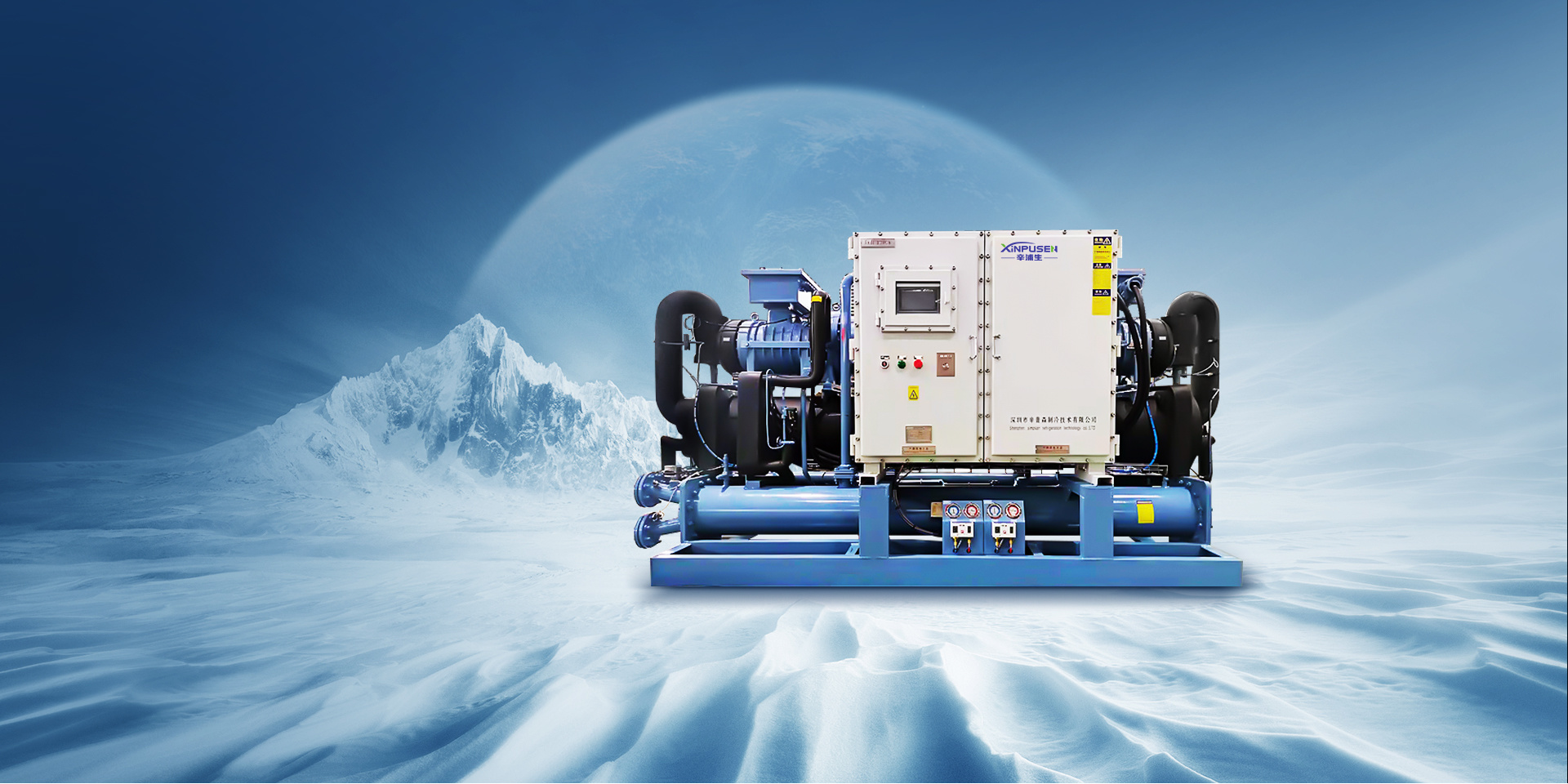
For products, we are seekers of perfection and excellence

Follow Simpson for the latest news

If you have any needs or suggestions, please contact us
 CN
CN EN
EN
News and Information
Follow Simpson for the latest news
Why Air-Cooled Industrial Chillers Are Essential for Efficient Cooling
2026-04-13 14:40
Understanding Air-Cooled Industrial Chillers
Air-cooled industrial chillers are essential components in various manufacturing and processing industries, ensuring optimal temperature control for a range of applications. These chillers use air as the primary medium for heat exchange, distinguishing them from water-cooled chillers, which rely on water for cooling. In this comprehensive article, we will delve into the significance of air-cooled industrial chillers, their benefits, applications, and best practices for maintenance, ensuring that your cooling systems operate at peak efficiency.
The Role of Air-Cooled Chillers in Industrial Applications
In industries ranging from food processing to pharmaceuticals, air-cooled chillers play a crucial role in maintaining the necessary temperatures for equipment and products. They effectively remove heat from processes, machinery, and air, helping to prevent overheating and ensuring that operations remain efficient. With their ability to provide reliable cooling solutions, air-cooled chillers are a preferred choice for many businesses.
Key Components of Air-Cooled Industrial Chillers
Air-cooled chillers consist of several key components that work together to provide effective cooling:
- **Compressor**: Compresses the refrigerant gas, raising its pressure and temperature.
- **Condenser**: Utilizes ambient air to cool the refrigerant, converting it to a liquid state.
- **Expansion Valve**: Reduces the pressure of the refrigerant, allowing it to evaporate and absorb heat.
- **Evaporator**: Absorbs heat from the process fluid, cooling it down before it is circulated back to the application.
Each component plays a vital role in the overall efficiency and effectiveness of the cooling system.
Advantages of Air-Cooled Industrial Chillers
Air-cooled chillers offer numerous benefits that make them a popular choice for various industrial applications. Some of these advantages include:
Improved Energy Efficiency
Air-cooled chillers are designed to operate efficiently, often resulting in lower energy consumption compared to other cooling methods. Their use of ambient air as a cooling medium eliminates the need for additional water sources, reducing the overall energy footprint.
Lower Installation and Maintenance Costs
Installation of air-cooled chillers typically requires less infrastructure than water-cooled systems, resulting in lower upfront costs. Additionally, maintenance is often simpler due to the absence of cooling towers and associated water treatment systems, leading to reduced ongoing expenses.
Environmental Benefits
By utilizing air as a cooling medium, air-cooled chillers minimize water consumption, making them a more environmentally friendly option. This aligns with many industries' goals to reduce their environmental impact and improve sustainability.
Flexibility and Scalability
Air-cooled chillers are available in various sizes and configurations, making them suitable for a wide range of applications. Their modular design allows for easy scalability, enabling businesses to expand their cooling capacity as needed without significant modifications to the infrastructure.
Applications of Air-Cooled Industrial Chillers
The versatility of air-cooled chillers allows them to be employed across various industries. Some common applications include:
Food and Beverage Processing
In the food and beverage industry, maintaining precise temperature control is critical for product quality and safety. Air-cooled chillers ensure that ingredients and products are kept at optimal temperatures throughout processing and storage.
Pharmaceutical Manufacturing
The pharmaceutical sector requires strict temperature control to ensure the efficacy and safety of products. Air-cooled chillers provide reliable cooling solutions for laboratory environments and production facilities.
Plastics and Chemical Processing
In the plastics and chemical industries, air-cooled chillers help manage the heat generated during manufacturing processes. This ensures that equipment operates efficiently and product quality remains high.
HVAC Systems
Air-cooled chillers are also integral to HVAC systems in commercial and industrial buildings, providing cooling for large spaces and ensuring comfortable environments for occupants and employees.
Best Practices for Maintaining Air-Cooled Industrial Chillers
To ensure the longevity and efficiency of air-cooled chillers, regular maintenance and best practices are essential. Here are some key recommendations:
Regular Inspection and Cleaning
Perform routine inspections to identify any potential issues, such as leaks or wear and tear. Cleaning the condenser coils and filters regularly helps maintain optimal airflow and efficiency.
Monitor Performance Metrics
Keep track of essential performance metrics, such as temperature differentials, energy consumption, and refrigerant levels. Monitoring these metrics allows for timely adjustments and maintenance.
Schedule Professional Maintenance
Engage with a qualified technician for annual maintenance and troubleshooting. Professional servicing can identify hidden issues and ensure your chiller operates at peak performance.
Implementing a Predictive Maintenance Strategy
Utilizing advanced monitoring technologies can help predict potential failures before they occur. Implementing a predictive maintenance strategy can reduce downtime and extend the lifespan of the chiller.
Choosing the Right Air-Cooled Industrial Chiller
Selecting the appropriate air-cooled chiller for your application requires careful consideration of several factors:
Cooling Capacity
Determine the necessary cooling capacity based on your specific application requirements. Factors such as ambient temperature, load conditions, and system design will influence your choice.
Noise Levels
Consider the noise generated by the chiller and its impact on the surrounding environment. Selecting a unit with lower noise levels is essential, especially in residential or noise-sensitive areas.
Energy Efficiency Ratings
Examine the energy efficiency ratings of potential chillers, such as the Energy Efficiency Ratio (EER) and Coefficient of Performance (COP). Higher ratings indicate better performance and lower operational costs.
Common Challenges with Air-Cooled Industrial Chillers
While air-cooled chillers offer numerous benefits, they also come with potential challenges. Understanding these challenges can help mitigate risks:
Temperature Fluctuations
Changes in ambient temperature can affect the performance of air-cooled chillers. Implementing strategies to manage temperature fluctuations can enhance stability and efficiency.
Space Constraints
Air-cooled chillers typically require adequate outdoor space for installation and airflow. Space limitations may necessitate creative solutions, such as compact designs or rooftop installations.
Environmental Factors
Pollution, dust, and debris can impact the performance of air-cooled chillers. Implementing preventative measures like filters and barriers can protect the units and maintain efficiency.
FAQs About Air-Cooled Industrial Chillers
1. What is the typical lifespan of an air-cooled industrial chiller?
The average lifespan of an air-cooled industrial chiller ranges between 15 to 20 years, depending on usage, maintenance, and environmental conditions.
2. How do air-cooled chillers compare to water-cooled chillers?
Air-cooled chillers are generally easier to install and maintain, while water-cooled chillers may offer higher efficiency in specific applications. The choice often depends on site conditions and cooling requirements.
3. Can air-cooled chillers operate in extreme temperatures?
While air-cooled chillers can function in various temperatures, performance may diminish in extremely high or low ambient conditions. Selecting the right system for specific climate conditions is essential.
4. Are air-cooled chillers environmentally friendly?
Yes, air-cooled chillers consume less water than their water-cooled counterparts, making them a more environmentally friendly option for industrial cooling.
5. How often should maintenance be performed on air-cooled chillers?
Routine maintenance should typically occur at least once a year, with additional checks during peak operating periods to ensure optimal performance.
Conclusion
In conclusion, air-cooled industrial chillers are indispensable for effective cooling across various industries. Their energy efficiency, lower installation costs, and environmental benefits position them as a favored choice for businesses seeking reliable cooling solutions. By understanding their applications, advantages, and maintenance requirements, organizations can ensure their cooling systems operate optimally, ultimately enhancing productivity and reducing operational costs. Emphasizing regular maintenance and monitoring will help mitigate potential challenges, allowing businesses to reap the full benefits of air-cooled chillers in their operations.
Previous: Understanding Air-Cooled Industrial Chillers: Efficiency and Applications
More Information

2026-07-08

2026-07-01
Exploring Ultra Low Temperature Chillers: Innovations and Applications in Industrial Cooling
2026-06-24
Why Your Industrial Operations Need an Ultra Low Temperature Chiller
2026-06-08
How a Water Temperature Control System Enhances Industrial Cooling
2026-07-08
Subscribe to our instant updates
Providing energy-efficient and innovative solutions for global industrial development

Shenzhen Longhua District, Huan Guan South Road, Mayuan Industrial Zone, XINPUSEN Industrial Park
0755-21017010
189-2749-0225
0755-23771793

Scan to add WeChat
© COPYRIGHT 2024 Shenzhen Xinpusen Refrigeration Technology Co., Ltd. ALL RIGHTS RESERVED Powered by www.300.cn