Shenzhen Simpsons Refrigeration Technology Co., Ltd.





In the global industrial temperature control field, we are pragmatic and innovative pioneers, providing energy-saving and innovative solutions for global industrial development, which is our ideal pursuit of hard work.

Focusing on the field of industrial temperature control, let China's energy-saving solutions nourish the world
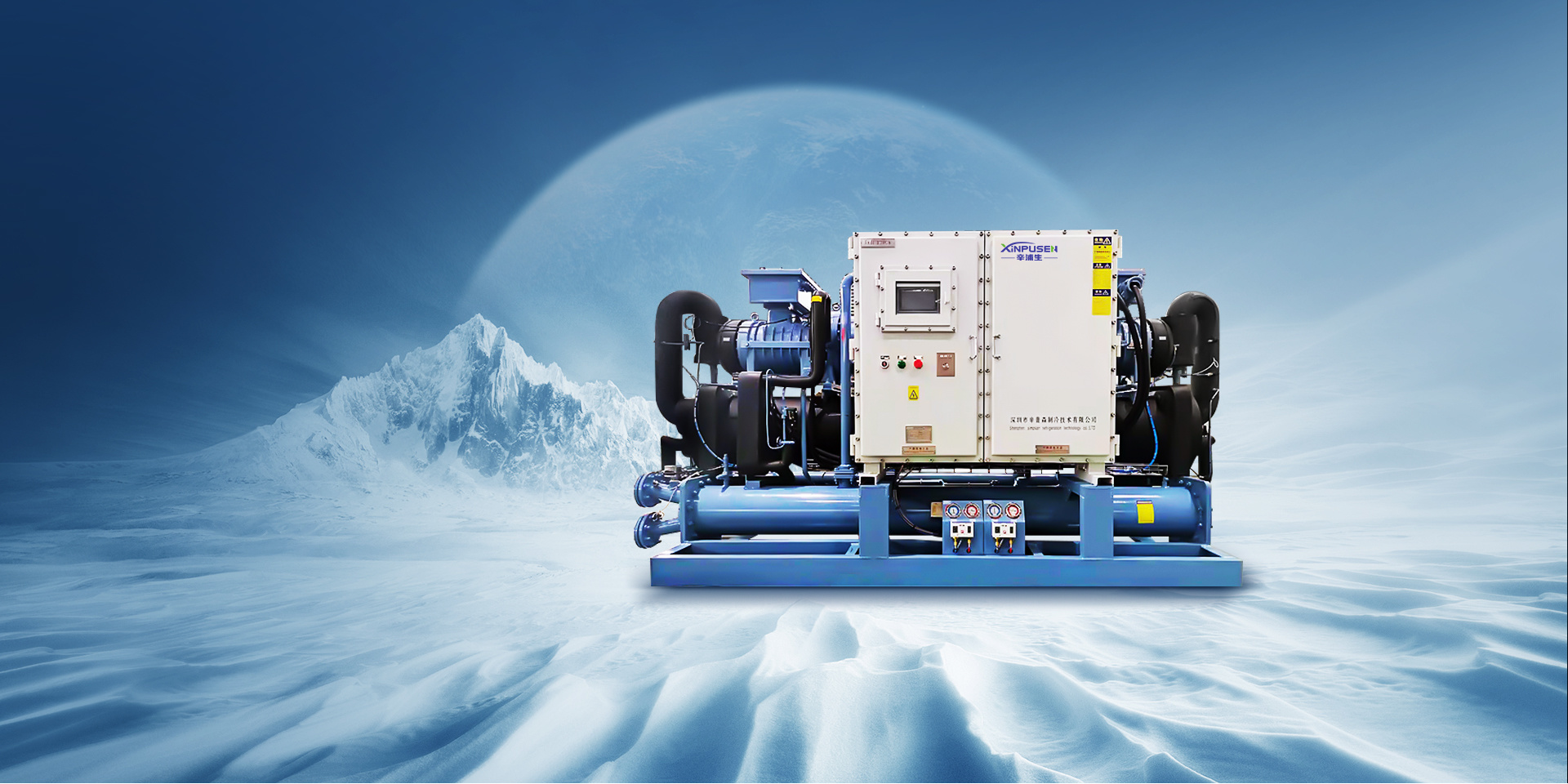
For products, we are seekers of perfection and excellence

Follow Simpson for the latest news

If you have any needs or suggestions, please contact us
 CN
CN EN
EN
News and Information
Follow Simpson for the latest news
How a Water Temperature Control System Enhances Industrial Cooling
2026-06-08 12:50
How a Water Temperature Control System Enhances Industrial Cooling
Table of Contents
- 1. Introduction to Water Temperature Control Systems
- 2. Importance of Temperature Control in Industrial Cooling
- 3. How Water Temperature Control Systems Work
- 4. Types of Water Temperature Control Systems
- 5. Benefits of Implementing Water Temperature Control Systems
- 6. Common Applications of Water Temperature Control in Industry
- 7. Best Practices for Effective Water Temperature Control
- 8. Future Trends in Water Temperature Control Technology
- 9. Frequently Asked Questions
- 10. Conclusion
1. Introduction to Water Temperature Control Systems
In the realm of industrial cooling, maintaining optimal temperature levels is crucial for operational efficiency and product integrity. **Water temperature control systems** play a pivotal role in achieving this goal. These systems regulate the temperature of water used in various cooling applications, ensuring that processes run smoothly and effectively.
Temperature fluctuations can lead to equipment failures, reduced product quality, and increased energy costs. Therefore, understanding and implementing effective water temperature control is not merely an option; it's a necessity for modern industries. This article delves into how these systems work, their benefits, and best practices for implementation.
2. Importance of Temperature Control in Industrial Cooling
Temperature control is a fundamental aspect of industrial cooling systems. Here are some reasons why it is vital:
2.1 Ensuring Process Stability
Stable temperatures contribute to consistent product quality. Variability can lead to defects, waste, and increased production costs.
2.2 Enhancing Equipment Lifespan
Overheating can cause significant wear and tear on machinery. A well-regulated temperature minimizes stress on components, prolonging their lifespan.
2.3 Improving Energy Efficiency
Efficient temperature control systems reduce energy consumption by ensuring that cooling operations only run when necessary, ultimately lowering energy costs.
3. How Water Temperature Control Systems Work
Water temperature control systems operate through a combination of sensors, controllers, and valves to maintain desired temperature levels.
3.1 Sensors
Sensors are placed in strategic locations to monitor the water temperature continuously. These devices provide real-time data to the control system.
3.2 Controllers
The controller processes data from the sensors and determines whether adjustments need to be made. It can activate or deactivate pumps, chillers, or heaters based on temperature readings.
3.3 Valves and Pumping Systems
Valves regulate the flow of water through the cooling system. If the temperature exceeds the desired level, the system can divert water to chillers or adjust the flow rate to bring temperatures back in line.
4. Types of Water Temperature Control Systems
There are various types of water temperature control systems, each suited for different industrial applications:
4.1 Inline Temperature Control Systems
These systems are directly integrated into the processing line and offer real-time adjustments to water temperature as it flows through.
4.2 Centralized Temperature Control Systems
Centralized systems manage the temperature for multiple processes from a single point. This approach can be more efficient for large facilities with various cooling needs.
4.3 Modular Temperature Control Systems
Modular systems provide flexibility by allowing additional modules to be added as needed. They are ideal for industries with evolving cooling requirements.
5. Benefits of Implementing Water Temperature Control Systems
Implementing a robust water temperature control system offers several significant benefits:
5.1 Cost Savings
By optimizing energy use and preventing equipment damage, companies can significantly reduce operational costs.
5.2 Improved Quality Control
Maintaining consistent temperature levels ensures that products meet quality standards, reducing rework and waste.
5.3 Enhanced Safety
Proper temperature control reduces risks associated with overheating equipment, which can lead to accidents and unsafe working conditions.
6. Common Applications of Water Temperature Control in Industry
Water temperature control systems are widely employed across various industrial sectors:
6.1 Food and Beverage Industry
Temperature control is critical in food processing and beverage production to maintain quality and safety.
6.2 Pharmaceutical Manufacturing
In the pharmaceutical industry, strict temperature control is essential for ensuring product efficacy and compliance with regulations.
6.3 Plastics and Injection Molding
Temperature control is vital in the injection molding process to ensure uniformity in product quality.
7. Best Practices for Effective Water Temperature Control
To maximize the effectiveness of water temperature control systems, consider the following best practices:
7.1 Regular Maintenance
Conduct routine inspections and maintenance to ensure all components are functioning optimally.
7.2 Staff Training
Invest in training for staff members to understand the system's operation and troubleshooting techniques.
7.3 Utilize Real-Time Monitoring
Implement real-time monitoring tools to provide instant feedback on system performance and temperature fluctuations.
8. Future Trends in Water Temperature Control Technology
As technology advances, several trends are emerging in water temperature control systems:
8.1 Integration with IoT
The Internet of Things (IoT) enables remote monitoring and control of temperature systems, allowing for greater efficiency and predictive maintenance.
8.2 Smart Sensors
New sensor technologies provide more accurate data, improving the responsiveness of temperature control systems.
8.3 Energy Recovery Systems
Innovative thermal energy recovery systems are being developed to recycle waste heat, further enhancing energy efficiency.
9. Frequently Asked Questions
9.1 What is a water temperature control system?
A water temperature control system is a setup designed to manage and regulate the temperature of water used in industrial cooling processes.
9.2 How does temperature control affect product quality?
Consistent temperature control ensures that products meet quality standards, minimizing defects and waste.
9.3 What industries benefit from water temperature control systems?
Industries such as food and beverage, pharmaceuticals, and plastics manufacturing heavily rely on temperature control systems.
9.4 How can one choose the right temperature control system?
Consider factors such as the specific cooling needs, the scale of operations, and the available budget when selecting a system.
9.5 What maintenance is required for these systems?
Regular inspections and servicing of sensors, valves, and controllers are essential for optimal performance.
10. Conclusion
Water temperature control systems are integral to the success of industrial cooling processes. By ensuring optimal temperatures, these systems enhance product quality, extend equipment lifespan, and improve energy efficiency. As industries continue to evolve, implementing advanced temperature control systems will not only meet current demands but also pave the way for future innovations. Embracing these technologies ensures that manufacturers remain competitive, sustainable, and focused on delivering quality products.
Previous: Why Your Industrial Operations Need an Ultra Low Temperature Chiller
More Information

2026-07-22
How Low Temperature Refrigeration Systems Enhance Industrial Efficiency

2026-07-15
Understanding Low Temperature Refrigeration Systems: A Comprehensive Guide
2026-07-08

2026-07-01
Exploring Ultra Low Temperature Chillers: Innovations and Applications in Industrial Cooling
2026-07-22
How Low Temperature Refrigeration Systems Enhance Industrial Efficiency
Subscribe to our instant updates
Providing energy-efficient and innovative solutions for global industrial development

No. 26, Xin Yuan South Road, Shalu, Tangxia Town,Dongguan City, Guangdong Province; Building 1, Yongsheng Technology Industrial Park
0755-21017010
189-2749-0225
0755-23771793

Scan to add WeChat
© COPYRIGHT 2024 Shenzhen Xinpusen Refrigeration Technology Co., Ltd. ALL RIGHTS RESERVED Powered by www.300.cn