Shenzhen Simpsons Refrigeration Technology Co., Ltd.





In the global industrial temperature control field, we are pragmatic and innovative pioneers, providing energy-saving and innovative solutions for global industrial development, which is our ideal pursuit of hard work.

Focusing on the field of industrial temperature control, let China's energy-saving solutions nourish the world
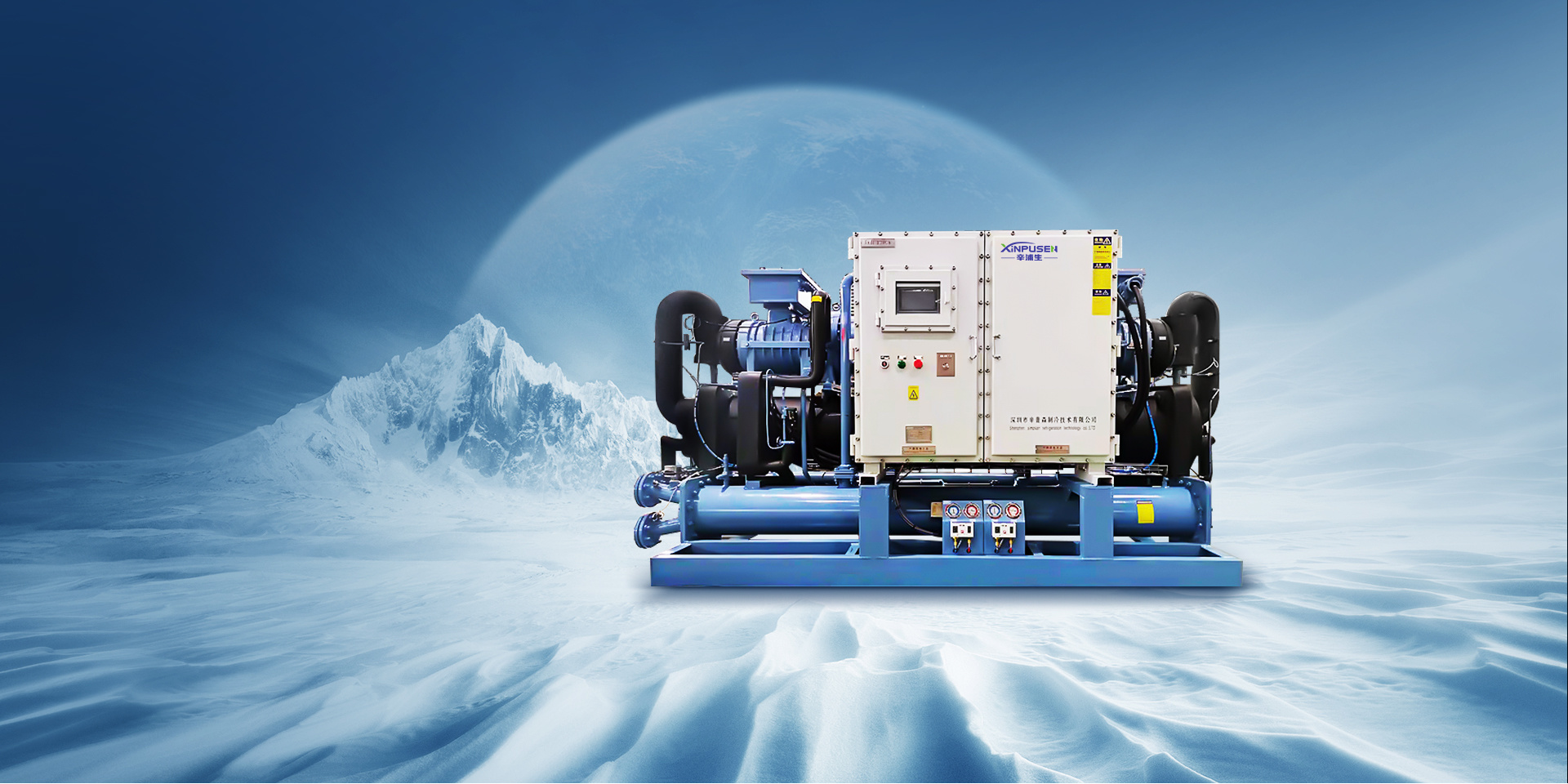
For products, we are seekers of perfection and excellence

Follow Simpson for the latest news

If you have any needs or suggestions, please contact us
 CN
CN EN
EN
News and Information
Follow Simpson for the latest news
How Low Temperature Refrigeration Systems Enhance Industrial Efficiency
2026-07-22 17:40
How Low Temperature Refrigeration Systems Enhance Industrial Efficiency
Table of Contents
- Introduction to Low Temperature Refrigeration Systems
- Understanding Refrigeration Principles
- Benefits of Low Temperature Refrigeration Systems in Industry
- Key Applications in Various Industries
- Technological Advancements in Low Temperature Refrigeration
- Best Practices for Maximizing Efficiency
- Case Studies: Success Stories
- Frequently Asked Questions
- Conclusion
Introduction to Low Temperature Refrigeration Systems
In the modern industrial landscape, **low temperature refrigeration systems** play a pivotal role in enhancing efficiency and productivity. These advanced systems are designed to operate at temperatures below freezing, making them essential in industries such as food processing, pharmaceuticals, and chemical manufacturing. By maintaining optimal temperatures, these systems ensure the integrity of products, reduce waste, and improve overall operational efficiency.
Understanding Refrigeration Principles
To fully appreciate the impact of low temperature refrigeration, it is crucial to understand the basic principles behind refrigeration technology. Refrigeration relies on the **thermodynamic cycle**, which involves the transfer of heat from a low-temperature reservoir to a high-temperature reservoir. This cycle typically includes four main processes:
1. **Evaporation**: The refrigerant absorbs heat and evaporates in the evaporator coil, cooling the surrounding environment.
2. **Compression**: The gaseous refrigerant is compressed, raising its pressure and temperature.
3. **Condensation**: The high-pressure gas releases heat in the condenser coil, converting back into a liquid state.
4. **Expansion**: The refrigerant expands, dropping in pressure and temperature, ready to repeat the cycle.
Understanding these principles helps industries select the correct refrigeration systems tailored for their specific needs, optimizing their overall efficiency.
Benefits of Low Temperature Refrigeration Systems in Industry
Low temperature refrigeration systems offer numerous benefits that contribute to enhanced industrial efficiency:
Improved Product Quality and Safety
Maintaining low temperatures is crucial for preserving the quality and safety of temperature-sensitive products. In the food industry, for instance, refrigeration slows microbial growth, reducing spoilage and ensuring compliance with safety standards.
Energy Efficiency and Cost Savings
Modern low temperature refrigeration systems are designed for energy efficiency, using advanced technologies that lower energy consumption. This not only reduces operational costs but also minimizes the environmental impact of industrial activities.
Increased Production Flexibility
With the ability to precisely control temperatures, industries can adapt to varying production needs. Low temperature refrigeration systems facilitate the storage and transport of a wider range of products, allowing for greater flexibility in production schedules.
Reduced Waste and Loss
By effectively managing temperatures, these systems significantly reduce waste due to spoilage. Industries can optimize inventory management and minimize losses associated with product degradation.
Key Applications in Various Industries
Low temperature refrigeration systems find applications across multiple sectors, showcasing their versatility and importance in enhancing industrial efficiency.
Food and Beverage Industry
In the food and beverage sector, low temperature refrigeration is vital for storing perishable items. From frozen foods to chilled beverages, maintaining appropriate temperatures ensures product safety and quality.
Pharmaceuticals
The pharmaceutical industry relies heavily on low temperature refrigeration for storing vaccines, biologics, and other sensitive medications. Adhering to strict temperature controls preserves efficacy and safety, critical for patient health.
Chemical Manufacturing
Chemical reactions often require precise temperature control. Low temperature refrigeration systems help maintain optimal conditions for chemical processes, enhancing yields and product quality.
Laboratories and Research Facilities
In laboratories, low temperature refrigeration is essential for preserving samples, reagents, and other sensitive materials. These systems ensure the integrity of research findings and promote accurate results.
Technological Advancements in Low Temperature Refrigeration
Advancements in technology have revolutionized low temperature refrigeration systems, making them more efficient and reliable than ever.
Variable Speed Compressors
Variable speed compressors adjust their operating speed based on demand, leading to significant energy savings. This technology allows for more precise temperature control and enhances overall system efficiency.
Smart Controls and Automation
Modern refrigeration systems incorporate smart controls and automation features, enabling real-time monitoring and adjustments. This technology streamlines operations, reduces human error, and enhances system performance.
Eco-Friendly Refrigerants
The shift towards environmentally friendly refrigerants, such as natural refrigerants and low-GWP (Global Warming Potential) options, is a significant trend in the industry. These refrigerants not only reduce environmental impact but also comply with regulatory standards.
Best Practices for Maximizing Efficiency
To fully leverage the benefits of low temperature refrigeration systems, industries should adopt best practices that promote efficiency and reliability.
Regular Maintenance and Inspections
Routine maintenance is crucial for ensuring optimal performance. Regular inspections help identify potential issues before they escalate, minimizing downtime and costly repairs.
Proper Insulation and Sealing
Ensuring proper insulation and sealing of refrigeration units prevents heat exchange with the surrounding environment, maximizing efficiency and reducing energy costs.
Temperature Monitoring Systems
Implementing temperature monitoring systems allows for real-time tracking and alerts in case of temperature fluctuations. This proactive approach safeguards product integrity and enhances operational efficiency.
Case Studies: Success Stories
Examining real-world examples can illustrate the tangible benefits of low temperature refrigeration systems.
Case Study: A Food Processing Plant
A food processing plant adopted a low temperature refrigeration system, resulting in a 30% reduction in energy costs and a significant decrease in food spoilage. By maintaining optimal storage conditions, the plant improved product quality and customer satisfaction.
Case Study: A Pharmaceutical Manufacturer
A pharmaceutical manufacturer implemented advanced low temperature refrigeration technology, leading to enhanced product safety. The facility reported a 50% reduction in product loss due to spoilage, allowing for increased production efficiency and significant cost savings.
Frequently Asked Questions
1. What is the ideal temperature range for low temperature refrigeration systems?
The ideal temperature range for low temperature refrigeration systems typically falls between -40°F to 32°F (-40°C to 0°C), depending on the application and specific requirements.
2. How do low temperature refrigeration systems impact energy consumption?
Modern low temperature refrigeration systems are designed to be energy-efficient, utilizing advanced technologies that significantly reduce overall energy consumption compared to older models.
3. Are there any safety concerns associated with low temperature refrigeration?
Yes, safety concerns such as refrigerant leaks or improper temperature maintenance can pose risks. Regular maintenance and adherence to safety protocols are essential in mitigating these risks.
4. Can low temperature refrigeration systems be integrated with existing systems?
Low temperature refrigeration systems can often be integrated with existing systems, allowing for enhanced efficiency without the need for complete overhauls.
5. What should industries consider when selecting a low temperature refrigeration system?
Key considerations include the specific application, energy efficiency, refrigerant type, capacity requirements, and potential for integration with existing infrastructure.
Conclusion
In conclusion, low temperature refrigeration systems are indispensable tools for enhancing industrial efficiency across various sectors. By improving product quality, reducing waste, and optimizing energy consumption, these systems not only contribute to operational success but also align with growing sustainability goals. As technology continues to advance, industries that adopt these systems will gain a competitive edge, ensuring they remain at the forefront of innovation and efficiency. Investing in low temperature refrigeration is not merely an option; it is a strategic necessity for businesses aiming for long-term success in an increasingly competitive marketplace.
More Information

2026-07-22
How Low Temperature Refrigeration Systems Enhance Industrial Efficiency

2026-07-15
Understanding Low Temperature Refrigeration Systems: A Comprehensive Guide
2026-07-08

2026-07-01
Exploring Ultra Low Temperature Chillers: Innovations and Applications in Industrial Cooling
2026-07-22
How Low Temperature Refrigeration Systems Enhance Industrial Efficiency
Subscribe to our instant updates
Providing energy-efficient and innovative solutions for global industrial development

No. 26, Xin Yuan South Road, Shalu, Tangxia Town,Dongguan City, Guangdong Province; Building 1, Yongsheng Technology Industrial Park
0755-21017010
189-2749-0225
0755-23771793

Scan to add WeChat
© COPYRIGHT 2024 Shenzhen Xinpusen Refrigeration Technology Co., Ltd. ALL RIGHTS RESERVED Powered by www.300.cn