Shenzhen Simpsons Refrigeration Technology Co., Ltd.





In the global industrial temperature control field, we are pragmatic and innovative pioneers, providing energy-saving and innovative solutions for global industrial development, which is our ideal pursuit of hard work.

Focusing on the field of industrial temperature control, let China's energy-saving solutions nourish the world
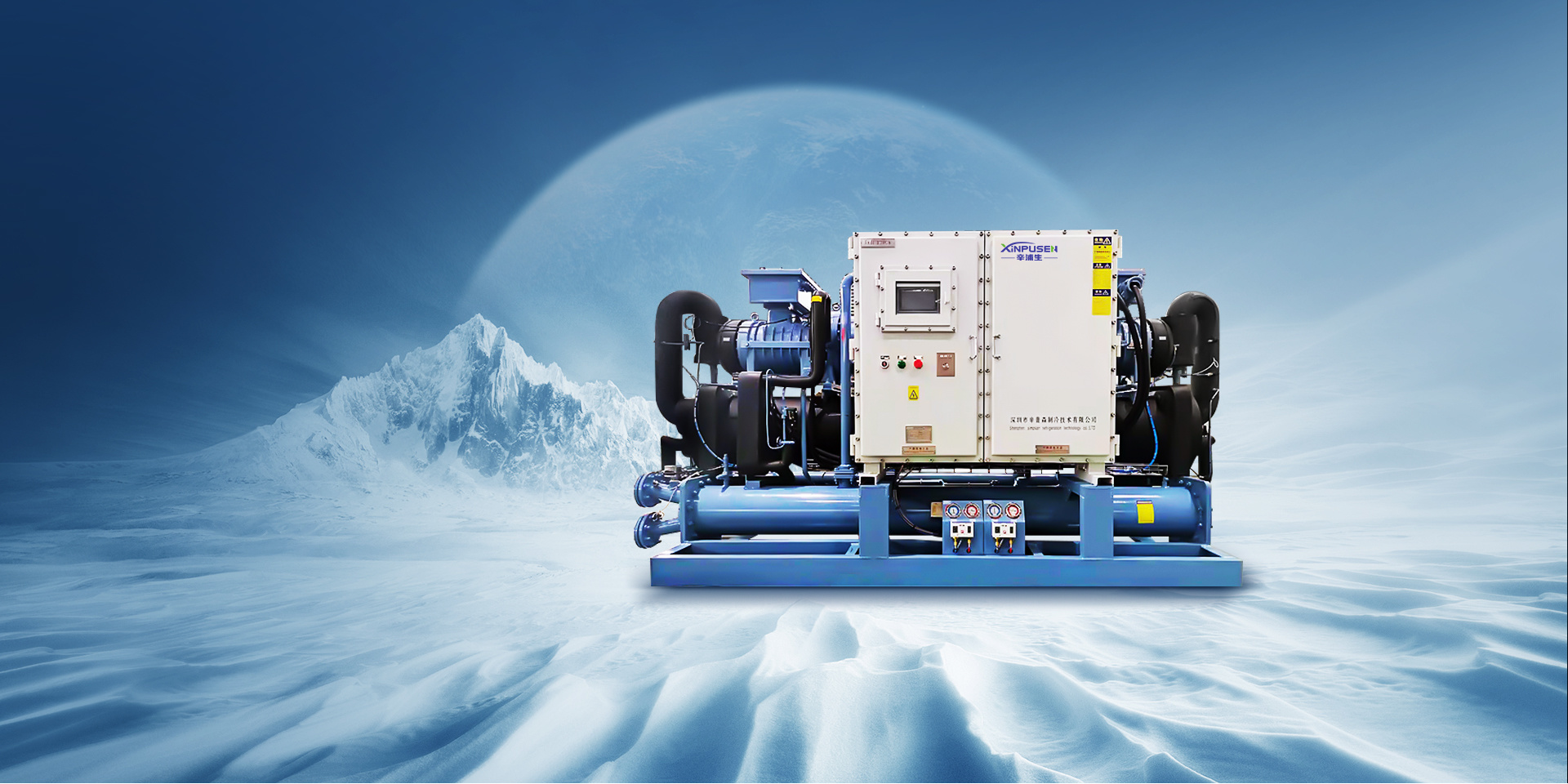
For products, we are seekers of perfection and excellence

Follow Simpson for the latest news

If you have any needs or suggestions, please contact us
 CN
CN EN
EN
News and Information
Follow Simpson for the latest news
How to lower the exhaust temperature of an industrial chiller? Just keep these points in mind
2025-01-23 09:21
Simpson Group is a large-scale refrigeration equipment manufacturing plant originating from advanced German refrigeration technology. We provide suitable solutions and address subsequent application issues, striving for your satisfaction. Our experienced technical and sales staff provide professional advice to help you quickly obtain the products you need. Our main products include chillers, industrial chillers, screw chillers, flooded chillers, low-temperature ice water machines, air-cooled and water-cooled chillers, explosion-proof chillers, customized chillers, semi-hermetic condensing units, screw-type condensing units, and other refrigeration equipment. We offer competitive prices. Welcome to inquire.
After prolonged operation, industrial chillers can easily experience excessively high discharge temperatures. This can lead to decreased performance and cooling efficiency of the industrial chiller.
So, how should the chiller's discharge temperature be lowered when encountering this situation? Let's look at the solutions together with the chiller manufacturer.
1. Increase the water flow rate of the industrial chiller cooling tower and water tank. The cooling water flow rate of the cooling tower and water tank can transfer heat and dissipate heat. If the exhaust gas temperature is too high, you can try increasing the cooling water flow rate to maintain a stable cooling temperature;
2. Reduce the discharge temperature of the compressor in the industrial chiller;
3. Make good use of the refrigeration unit of the industrial chiller. Different types of chillers have different discharge temperatures. If the discharge temperature is too high, refrigerant can be used to lower the temperature.
Previous: What is the purpose of checking the results of industrial chiller repairs? Find out now!
More Information

2026-07-15
Understanding Low Temperature Refrigeration Systems: A Comprehensive Guide

2026-07-08

2026-07-01
Exploring Ultra Low Temperature Chillers: Innovations and Applications in Industrial Cooling
2026-06-24
Why Your Industrial Operations Need an Ultra Low Temperature Chiller
2026-07-15
Understanding Low Temperature Refrigeration Systems: A Comprehensive Guide
Subscribe to our instant updates
Providing energy-efficient and innovative solutions for global industrial development

Shenzhen Longhua District, Huan Guan South Road, Mayuan Industrial Zone, XINPUSEN Industrial Park
0755-21017010
189-2749-0225
0755-23771793

Scan to add WeChat
© COPYRIGHT 2024 Shenzhen Xinpusen Refrigeration Technology Co., Ltd. ALL RIGHTS RESERVED Powered by www.300.cn