Shenzhen Simpsons Refrigeration Technology Co., Ltd.





In the global industrial temperature control field, we are pragmatic and innovative pioneers, providing energy-saving and innovative solutions for global industrial development, which is our ideal pursuit of hard work.

Focusing on the field of industrial temperature control, let China's energy-saving solutions nourish the world
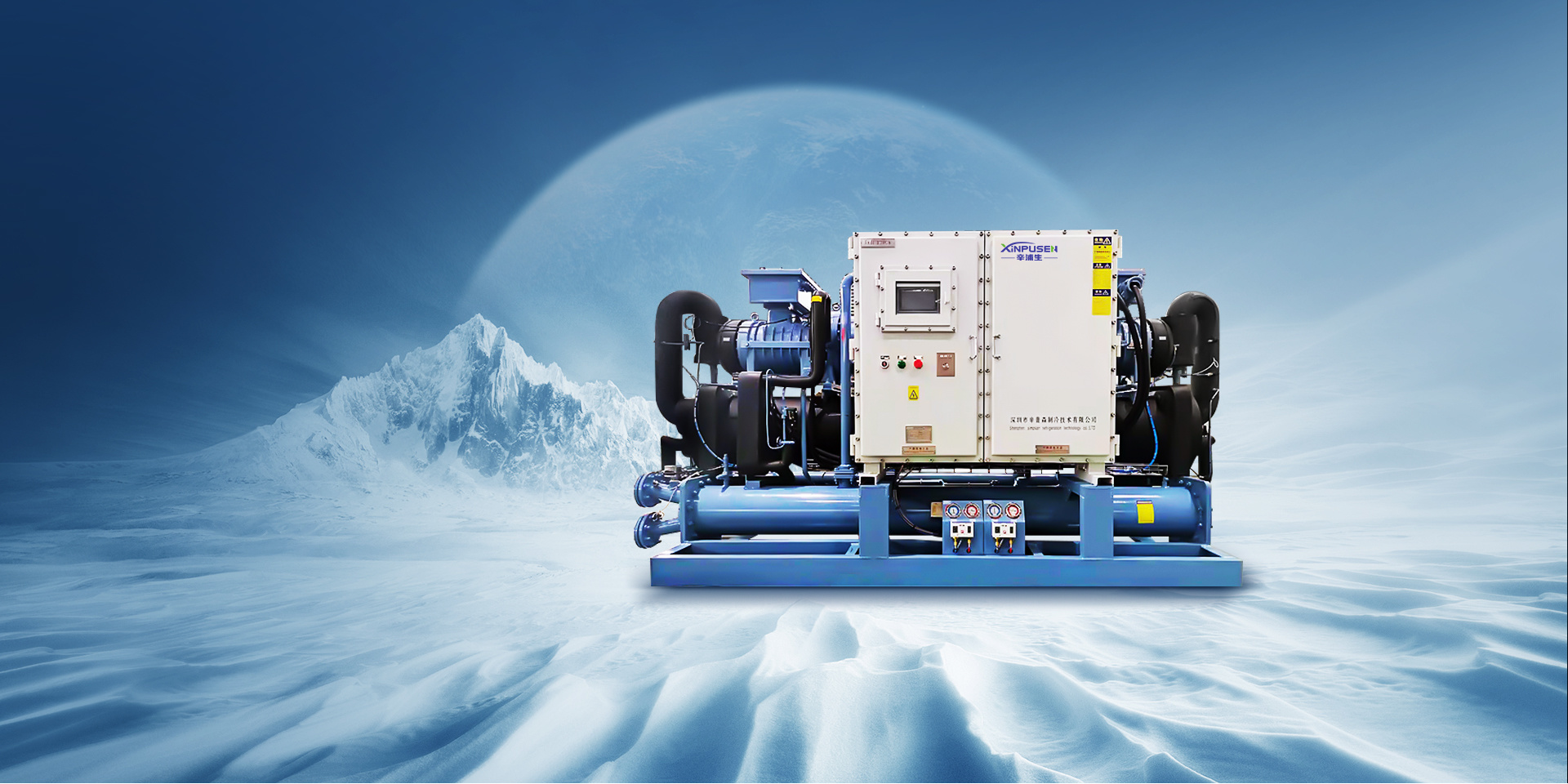
For products, we are seekers of perfection and excellence

Follow Simpson for the latest news

If you have any needs or suggestions, please contact us
 CN
CN EN
EN
News and Information
Follow Simpson for the latest news
Understanding the Future of Integrated Chiller Systems in Industry: Innovations and Trends
2025-12-08 10:00
Understanding the Future of Integrated Chiller Systems in Industry
Table of Contents
- 1. Introduction to Integrated Chiller Systems
- 2. Importance of Chiller Systems in Industrial Applications
- 3. Key Components of Integrated Chiller Systems
- 4. Innovations in Chiller Technology
- 5. Enhancing Energy Efficiency in Chiller Systems
- 6. The Role of Smart Technology in Chiller Systems
- 7. Sustainability Trends and Their Impact on Chiller Systems
- 8. Future Outlook of Integrated Chiller Systems
- 9. Frequently Asked Questions
- 10. Conclusion
1. Introduction to Integrated Chiller Systems
Integrated chiller systems have become a cornerstone in the industrial sector, providing efficient cooling solutions across various applications. These systems utilize advanced technology to ensure optimal performance, reliability, and energy efficiency. As industrial demands evolve, the future of integrated chiller systems is poised for significant changes, driven by technological advancements and sustainability initiatives.
2. Importance of Chiller Systems in Industrial Applications
Chiller systems play a vital role in maintaining temperature control across multiple industries, including manufacturing, pharmaceuticals, food processing, and data centers. They are crucial for:
- **Process Cooling:** Cooling machinery and equipment to maintain operational efficiency.
- **Temperature Regulation:** Ensuring consistent temperatures for sensitive materials and products.
- **Energy Management:** Reducing energy consumption through efficient cooling technologies.
As industries grow, the demand for more efficient and environmentally friendly chiller systems continues to rise.
3. Key Components of Integrated Chiller Systems
Integrated chiller systems consist of several key components that work in harmony to provide effective cooling. Understanding these components is essential for evaluating system performance:
3.1 Compressors
Compressors are the heart of chiller systems, responsible for circulating refrigerant throughout the system. They come in various types, including reciprocating, screw, and centrifugal, each offering unique benefits based on the application.
3.2 Condensers
Condensers cool refrigerant vapor back into liquid form. They can be air-cooled or water-cooled, depending on the installation environment and efficiency requirements.
3.3 Expansion Devices
Expansion devices, such as thermostatic expansion valves (TXVs), regulate the flow of refrigerant into the evaporator, ensuring optimal cooling performance.
3.4 Evaporators
Evaporators absorb heat from the environment, allowing refrigerant to evaporate into a gas, which is then compressed and cycled back through the system.
4. Innovations in Chiller Technology
The future of integrated chiller systems lies in continuous innovation. Key trends shaping the industry include:
4.1 Variable Speed Drives (VSD)
VSDs allow chillers to adjust their cooling output based on real-time demand, enhancing energy efficiency and reducing operational costs.
4.2 Advanced Refrigerants
The transition to environmentally friendly refrigerants, such as ammonia and CO2, is gaining momentum as industries seek to comply with regulatory changes and sustainability goals.
4.3 Modular Chiller Systems
Modular chillers offer flexibility and scalability, allowing businesses to expand their cooling capacity as needed without significant capital investment.
5. Enhancing Energy Efficiency in Chiller Systems
Energy efficiency is a primary concern for industries looking to reduce operational costs and minimize their environmental footprint. Here are some strategies to enhance energy efficiency in chiller systems:
5.1 Regular Maintenance
Routine maintenance ensures that chiller systems operate at peak performance, preventing energy waste and prolonging equipment lifespan.
5.2 Optimization of Cooling Loads
By analyzing and optimizing cooling loads, businesses can adjust their chiller systems to work more efficiently, reducing unnecessary energy consumption.
5.3 Integration of Energy Recovery Systems
Implementing energy recovery systems can capture and reuse waste heat generated by chillers, further enhancing energy efficiency.
6. The Role of Smart Technology in Chiller Systems
The integration of smart technology in chiller systems represents a significant advancement in operational efficiency. Smart chiller systems utilize IoT (Internet of Things) devices to monitor performance, predict maintenance needs, and optimize energy use.
6.1 Real-Time Monitoring
Real-time monitoring systems enable operators to track chiller performance metrics, facilitating prompt action when issues arise.
6.2 Predictive Maintenance
Predictive maintenance leverages data analytics to forecast potential equipment failures before they occur, reducing downtime and repair costs.
6.3 Automated Control Systems
Automated control systems adjust chiller settings based on environmental conditions, ensuring optimal performance while minimizing energy consumption.
7. Sustainability Trends and Their Impact on Chiller Systems
Sustainability has become a key concern for industries worldwide. The adoption of integrated chiller systems that align with sustainability goals is essential for reducing environmental impact.
7.1 Eco-Friendly Refrigerants
Transitioning to low-GWP (Global Warming Potential) refrigerants is crucial for minimizing greenhouse gas emissions associated with cooling systems.
7.2 Energy-Efficient Designs
Designing chiller systems with energy efficiency in mind not only reduces operating costs but also contributes to a smaller carbon footprint.
7.3 Government Regulations and Incentives
Many governments offer incentives for industries that adopt energy-efficient technologies, further motivating the transition to integrated chiller systems.
8. Future Outlook of Integrated Chiller Systems
As we look toward the future, integrated chiller systems are expected to evolve significantly. Innovations in technology, coupled with increased focus on sustainability, will drive the following trends:
8.1 Increased Automation
Automation will play a vital role in enhancing system efficiency and reliability, allowing for predictive analytics and improved decision-making.
8.2 Greater Emphasis on Resilience
In light of climate change and environmental challenges, the focus on resilience in chiller system design will increase, ensuring that systems can adapt to changing conditions.
8.3 Enhanced Integration with Renewable Energy Sources
The integration of chiller systems with renewable energy sources will gain momentum, allowing industries to capitalize on sustainable power options while reducing reliance on traditional energy sources.
9. Frequently Asked Questions
Q1: What are integrated chiller systems?
A1: Integrated chiller systems are advanced cooling solutions that combine various components and technologies to provide efficient temperature control in industrial applications.
Q2: How do chiller systems contribute to energy savings?
A2: Chiller systems enhance energy savings through optimized cooling loads, variable speed drives, and real-time monitoring, allowing for efficient operation tailored to demand.
Q3: What is the role of smart technology in chiller systems?
A3: Smart technology enables real-time monitoring, predictive maintenance, and automated control systems, enhancing the efficiency and reliability of chiller systems.
Q4: How are chiller systems evolving to meet sustainability goals?
A4: Chiller systems are evolving through the adoption of eco-friendly refrigerants, energy-efficient designs, and integration with renewable energy sources to meet sustainability goals.
Q5: What trends should we expect in the future of chiller systems?
A5: Future trends include increased automation, a focus on resilience, and greater integration with renewable energy sources as industries seek to enhance efficiency and sustainability.
10. Conclusion
In summary, the future of integrated chiller systems in industry is bright, driven by innovation, sustainability, and technological advancements. As industries continue to seek efficient and environmentally friendly cooling solutions, integrated chiller systems will play a crucial role in meeting these demands. By embracing emerging technologies and best practices, businesses can enhance operational efficiency, reduce energy consumption, and contribute to a more sustainable future.
Previous: Understanding Integrated Chiller Systems: A Comprehensive Guide
More Information

2026-07-15
Understanding Low Temperature Refrigeration Systems: A Comprehensive Guide

2026-07-08

2026-07-01
Exploring Ultra Low Temperature Chillers: Innovations and Applications in Industrial Cooling
2026-06-24
Why Your Industrial Operations Need an Ultra Low Temperature Chiller
2026-07-15
Understanding Low Temperature Refrigeration Systems: A Comprehensive Guide
Subscribe to our instant updates
Providing energy-efficient and innovative solutions for global industrial development

Shenzhen Longhua District, Huan Guan South Road, Mayuan Industrial Zone, XINPUSEN Industrial Park
0755-21017010
189-2749-0225
0755-23771793

Scan to add WeChat
© COPYRIGHT 2024 Shenzhen Xinpusen Refrigeration Technology Co., Ltd. ALL RIGHTS RESERVED Powered by www.300.cn