Shenzhen Simpsons Refrigeration Technology Co., Ltd.





In the global industrial temperature control field, we are pragmatic and innovative pioneers, providing energy-saving and innovative solutions for global industrial development, which is our ideal pursuit of hard work.

Focusing on the field of industrial temperature control, let China's energy-saving solutions nourish the world
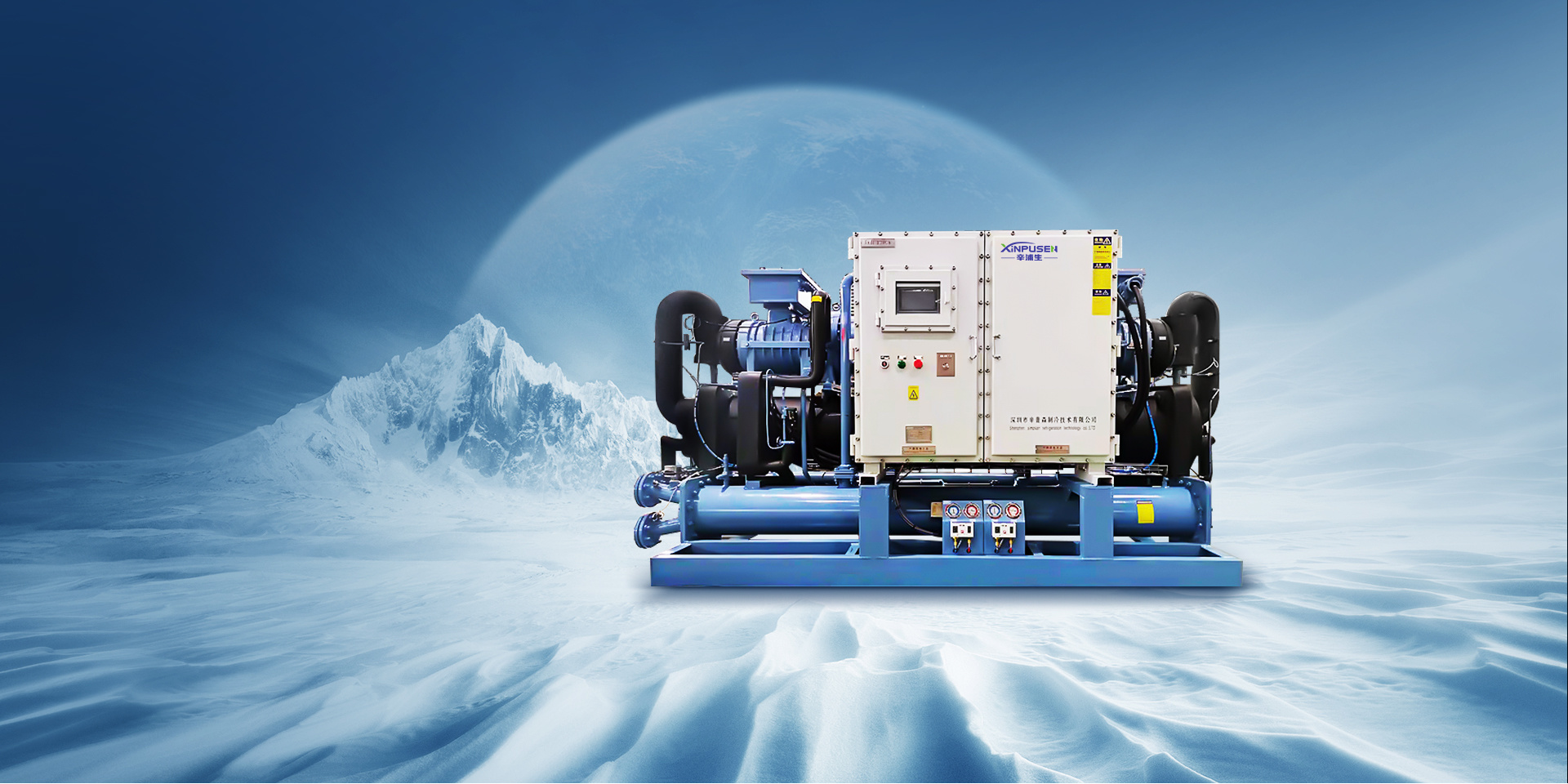
For products, we are seekers of perfection and excellence

Follow Simpson for the latest news

If you have any needs or suggestions, please contact us
 CN
CN EN
EN
News and Information
Follow Simpson for the latest news
Understanding Integrated Chiller Systems: A Comprehensive Guide
2025-12-15 11:10
At the core of an integrated chiller system is the chiller itself, which removes heat from a liquid via a vapor-compression or absorption refrigeration cycle. This chilled liquid is then circulated through a heat exchanger, where it absorbs heat from the process or environment, thereby maintaining the desired temperature in the application. The integrated nature of these systems means that they often include additional components such as pumps, controls, and storage tanks, all designed to work seamlessly together.
One of the primary benefits of integrated chiller systems is their energy efficiency. By combining multiple functions into a single unit, these systems reduce the need for separate components, which can lead to significant energy savings. Additionally, modern integrated chillers often incorporate advanced technologies, such as variable speed drives and smart controls, which optimize performance based on real-time conditions. This not only enhances energy efficiency but also extends the lifespan of the equipment.
Another advantage of integrated chiller systems is their compact design. By minimizing the number of separate components, these systems can occupy less space, making them ideal for facilities with limited room. This compactness also simplifies installation and maintenance, further reducing operational costs for businesses.
Integrated chiller systems are versatile and can be used in various industries, including manufacturing, pharmaceuticals, food processing, and data centers. Each application may have specific cooling requirements, and integrated systems can be tailored to meet these needs effectively. This adaptability ensures that businesses can maintain optimal operational temperatures, thereby enhancing product quality and process reliability.
Moreover, the use of integrated chiller systems can contribute to sustainability efforts. With a growing emphasis on reducing carbon footprints, utilizing energy-efficient cooling solutions is increasingly important. Integrated chillers can be designed to work with renewable energy sources, further aligning with corporate sustainability goals.
In summary, integrated chiller systems offer a sophisticated and efficient solution for industrial cooling needs. By understanding their components, benefits, and applications, businesses can make informed decisions that improve energy efficiency, reduce operational costs, and support sustainable practices. Embracing these advanced cooling technologies can significantly enhance productivity and operational effectiveness in various industrial settings.
Previous: best integrated chiller system
More Information

2026-07-15
Understanding Low Temperature Refrigeration Systems: A Comprehensive Guide

2026-07-08

2026-07-01
Exploring Ultra Low Temperature Chillers: Innovations and Applications in Industrial Cooling
2026-06-24
Why Your Industrial Operations Need an Ultra Low Temperature Chiller
2026-07-15
Understanding Low Temperature Refrigeration Systems: A Comprehensive Guide
Subscribe to our instant updates
Providing energy-efficient and innovative solutions for global industrial development

Shenzhen Longhua District, Huan Guan South Road, Mayuan Industrial Zone, XINPUSEN Industrial Park
0755-21017010
189-2749-0225
0755-23771793

Scan to add WeChat
© COPYRIGHT 2024 Shenzhen Xinpusen Refrigeration Technology Co., Ltd. ALL RIGHTS RESERVED Powered by www.300.cn