Shenzhen Simpsons Refrigeration Technology Co., Ltd.





In the global industrial temperature control field, we are pragmatic and innovative pioneers, providing energy-saving and innovative solutions for global industrial development, which is our ideal pursuit of hard work.

Focusing on the field of industrial temperature control, let China's energy-saving solutions nourish the world
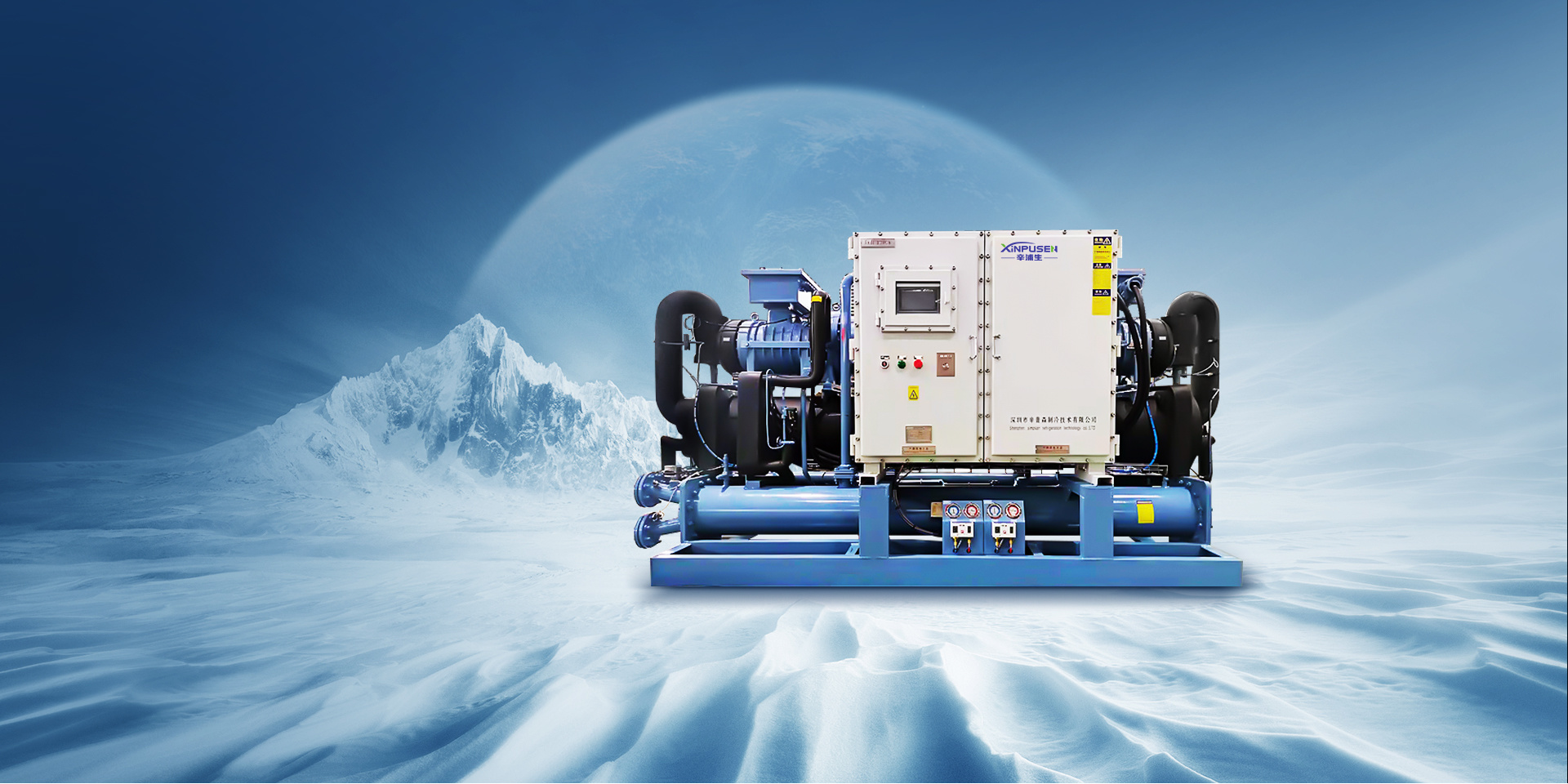
For products, we are seekers of perfection and excellence

Follow Simpson for the latest news

If you have any needs or suggestions, please contact us
 CN
CN EN
EN
News and Information
Follow Simpson for the latest news
Understanding Water-Cooled Industrial Chillers: Key Insights for Efficient Cooling Solutions
2025-12-29 22:10
At their core, water-cooled industrial chillers utilize water as a medium for heat exchange. The basic principle involves removing heat from a refrigerant, which then absorbs heat from the process or environment and discharges it into a water source, typically a cooling tower. This method is particularly effective for larger operations or facilities that require significant cooling capacities, as it can handle higher loads more efficiently than air-cooled systems.
One of the primary advantages of water-cooled industrial chillers is their energy efficiency. These systems typically consume less electricity than air-cooled chillers because water has a higher thermal conductivity than air, allowing for more effective heat transfer. This translates to lower operational costs and a reduced carbon footprint, making water-cooled chillers a more sustainable option for industries focused on energy conservation.
When considering the implementation of water-cooled industrial chillers, several factors must be taken into account. The design and layout of the facility, the capacity requirements based on the specific cooling needs, and the local climate conditions can all influence the performance and efficiency of these systems. Additionally, maintenance and the availability of a reliable water source are critical to ensure optimal operation and longevity of the chillers.
Another aspect to consider is the environmental impact. Water-cooled chillers require a significant amount of water for cooling, so industries must be aware of local water regulations and the sustainability of their water sources. Many companies are now investing in advanced technologies that minimize water consumption and improve overall efficiency, aligning with modern environmental standards.
In conclusion, water-cooled industrial chillers play a vital role in maintaining the operational efficiency of various industrial processes. By understanding their principles of operation, advantages, and considerations, businesses can make informed decisions about their cooling solutions. As industries continue to evolve and focus on sustainability, the demand for efficient and effective cooling systems like water-cooled chillers is expected to grow, making them a key element in the future of industrial cooling technology.
Previous: Unlocking Efficiency: Why Water-Cooled Industrial Chillers Are Essential for Your Business
More Information

2026-07-15
Understanding Low Temperature Refrigeration Systems: A Comprehensive Guide

2026-07-08

2026-07-01
Exploring Ultra Low Temperature Chillers: Innovations and Applications in Industrial Cooling
2026-06-24
Why Your Industrial Operations Need an Ultra Low Temperature Chiller
2026-07-15
Understanding Low Temperature Refrigeration Systems: A Comprehensive Guide
Subscribe to our instant updates
Providing energy-efficient and innovative solutions for global industrial development

Shenzhen Longhua District, Huan Guan South Road, Mayuan Industrial Zone, XINPUSEN Industrial Park
0755-21017010
189-2749-0225
0755-23771793

Scan to add WeChat
© COPYRIGHT 2024 Shenzhen Xinpusen Refrigeration Technology Co., Ltd. ALL RIGHTS RESERVED Powered by www.300.cn