Shenzhen Simpsons Refrigeration Technology Co., Ltd.





In the global industrial temperature control field, we are pragmatic and innovative pioneers, providing energy-saving and innovative solutions for global industrial development, which is our ideal pursuit of hard work.

Focusing on the field of industrial temperature control, let China's energy-saving solutions nourish the world
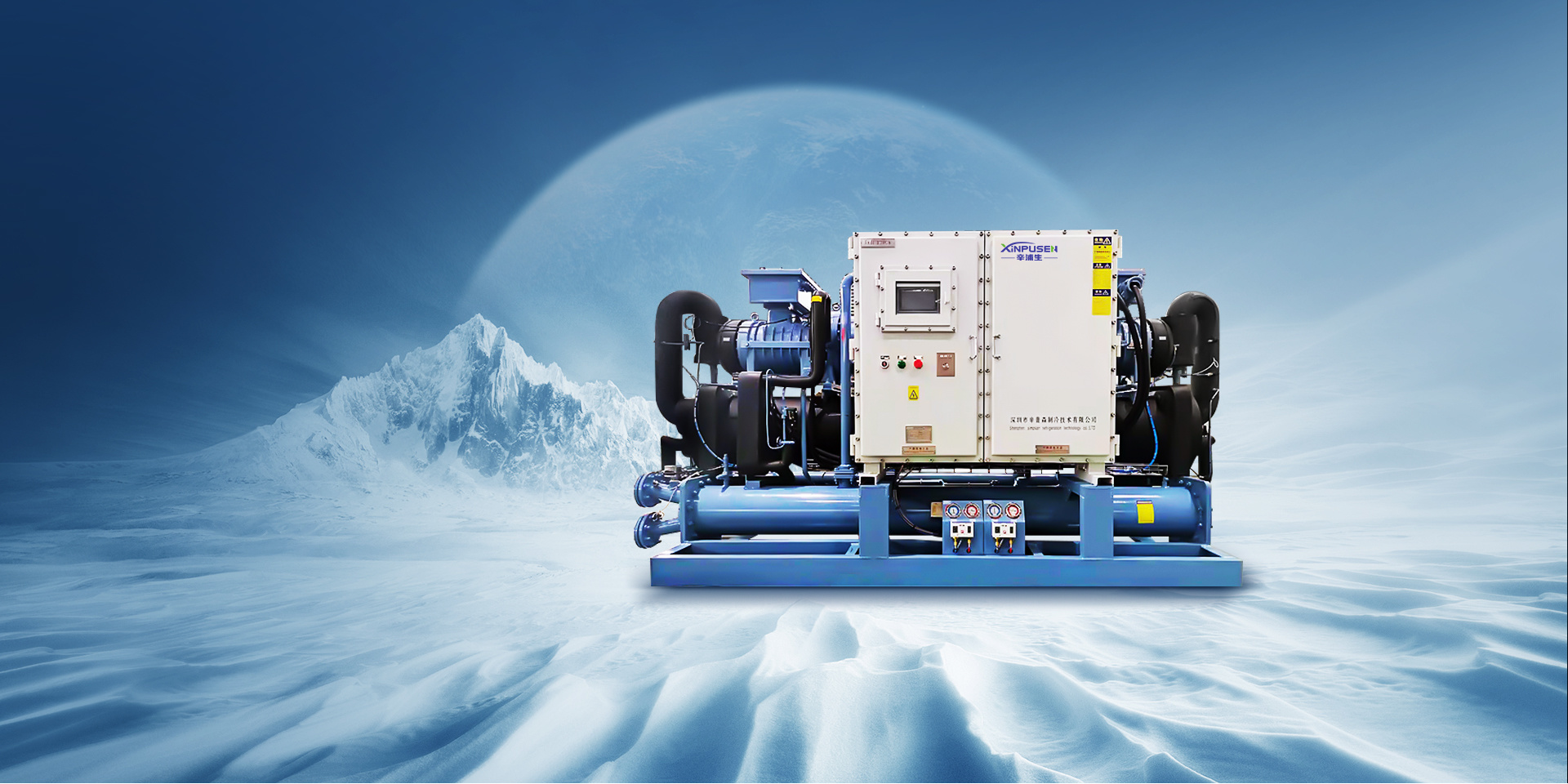
For products, we are seekers of perfection and excellence

Follow Simpson for the latest news

If you have any needs or suggestions, please contact us
 CN
CN EN
EN
News and Information
Follow Simpson for the latest news
Unlocking Efficiency: Why Water-Cooled Industrial Chillers Are Essential for Your Business
2026-01-05 21:30
Unlocking Efficiency: Why Water-Cooled Industrial Chillers Are Essential for Your Business
Table of Contents
- 1. Introduction to Water-Cooled Industrial Chillers
- 2. Key Benefits of Water-Cooled Chillers
- 3. How Water-Cooled Chillers Operate
- 4. Applications of Water-Cooled Industrial Chillers
- 5. Energy Efficiency and Cost Savings
- 6. Environmental Considerations
- 7. Maintenance Best Practices
- 8. Common Mistakes to Avoid
- 9. Conclusion
- 10. FAQs
1. Introduction to Water-Cooled Industrial Chillers
Water-cooled industrial chillers play a pivotal role in numerous manufacturing and commercial processes. These systems utilize water as a cooling medium, providing efficient temperature control essential for various industrial applications. In an era where energy efficiency and sustainability are paramount, understanding the significance of these chillers is crucial for businesses striving for operational excellence.
2. Key Benefits of Water-Cooled Chillers
Water-cooled chillers offer a variety of advantages that can significantly impact your business operations. Here are some of the most compelling benefits:
2.1 Increased Efficiency
Water-cooled chillers are renowned for their superior efficiency compared to air-cooled systems. They can maintain lower operating temperatures and handle larger cooling loads, helping to optimize production processes.
2.2 Lower Energy Costs
By utilizing water as a cooling medium, these chillers often consume less energy than their air-cooled counterparts. The result is reduced electricity bills and a more sustainable operation.
2.3 Long Lifespan
With proper maintenance, water-cooled chillers can have a long operational lifespan. This longevity translates to lower replacement costs and better long-term investment returns.
2.4 Versatility in Applications
These chillers are suitable for a wide range of applications, including manufacturing, food processing, and pharmaceuticals, making them a versatile solution for many industries.
3. How Water-Cooled Chillers Operate
Understanding the operational mechanics of water-cooled chillers can help you appreciate their importance. Here’s how they work:
3.1 The Cooling Cycle
Water-cooled chillers operate on a closed-loop system that circulates refrigerant to facilitate cooling. The process involves several key components:
- Evaporator: The refrigerant absorbs heat, cooling the surrounding water.
- Compressor: This component pressurizes the refrigerant, causing it to heat up before entering the condenser.
- Condenser: Here, the refrigerant releases heat into the cooling water, which is then expelled through cooling towers.
- Expansion Valve: This regulates the flow of refrigerant into the evaporator.
3.2 Water Source
A reliable water source is essential for the efficient operation of water-cooled chillers. Municipal water supply or cooling towers often serve as the source, allowing the system to maintain optimal operating temperatures.
4. Applications of Water-Cooled Industrial Chillers
Water-cooled chillers find applications across various sectors due to their efficiency and reliability. Here are some common applications:
4.1 Manufacturing Processes
In manufacturing, maintaining precise temperatures is crucial for product quality. Water-cooled chillers support processes such as injection molding and extrusion, minimizing thermal fluctuations.
4.2 HVAC Systems
In large buildings, water-cooled chillers are often integrated into HVAC systems to provide cooling for occupied spaces, ensuring comfort and productivity.
4.3 Food and Beverage Industry
In the food and beverage sector, these chillers are essential for temperature-sensitive processes, such as brewing and chilling, helping to maintain product quality and safety.
4.4 Pharmaceutical Production
Pharmaceutical manufacturing relies heavily on stringent temperature controls. Water-cooled chillers ensure that sensitive processes are maintained at optimal temperatures, preventing product degradation.
5. Energy Efficiency and Cost Savings
One of the most significant advantages of water-cooled chillers is their energy efficiency.
5.1 Energy Star Ratings
Many water-cooled chillers come with Energy Star ratings, indicating their superior efficiency. Choosing Energy Star-rated equipment can lead to significant cost savings over time.
5.2 Reduced Operating Costs
With their ability to operate efficiently, businesses can experience substantial reductions in energy consumption and operating costs, contributing to overall profitability.
6. Environmental Considerations
As businesses become increasingly aware of their environmental impact, water-cooled chillers stand out for their sustainability.
6.1 Reduced Carbon Footprint
By consuming less energy, water-cooled chillers contribute to a lower carbon footprint. Businesses can achieve their sustainability goals while enhancing operational efficiency.
6.2 Water Conservation
Modern systems are designed to minimize water waste, promoting conservation and responsible resource management.
7. Maintenance Best Practices
To ensure optimal performance and longevity of water-cooled chillers, regular maintenance is essential.
7.1 Routine Inspections
Regular inspections of key components—such as the evaporator, condenser, and cooling towers—help identify potential issues before they escalate.
7.2 Cleaning and Water Treatment
Implementing a cleaning schedule and proper water treatment can prevent scale buildup and corrosion, extending the life of the system.
7.3 Professional Servicing
Engaging professionals for periodic servicing can ensure that your chillers operate at peak efficiency, reducing the risk of unexpected breakdowns.
8. Common Mistakes to Avoid
When operating and maintaining water-cooled chillers, it’s vital to avoid common pitfalls.
8.1 Neglecting Regular Maintenance
Failing to perform regular maintenance can lead to decreased efficiency and system failures, resulting in costly downtime.
8.2 Ignoring Water Quality
Poor water quality can severely impact the performance of your chillers. Implementing a proper water treatment plan is essential for optimal operation.
8.3 Overlooking Energy Efficiency Upgrades
Not investing in energy-efficient upgrades can hinder the overall performance of your chillers, leading to higher operating costs.
9. Conclusion
Water-cooled industrial chillers are essential for businesses seeking to enhance operational efficiency, reduce energy costs, and support sustainability efforts. By understanding their benefits, operational mechanisms, and maintenance needs, businesses can make informed decisions that positively impact their bottom line. Investing in these chillers is not just a choice; it is a strategic move towards a more efficient and sustainable future.
10. FAQs
10.1 What is the primary function of a water-cooled industrial chiller?
The primary function of a water-cooled industrial chiller is to remove heat from a process or space using water as a cooling medium, ensuring optimal temperatures for various industrial applications.
10.2 How do water-cooled chillers compare to air-cooled chillers?
Water-cooled chillers are generally more efficient and suited for larger cooling loads compared to air-cooled chillers, which can struggle in high-temperature environments.
10.3 What industries benefit the most from water-cooled chillers?
Industries such as manufacturing, food & beverage, pharmaceuticals, and HVAC systems benefit significantly from water-cooled chillers due to their efficiency and reliability.
10.4 How often should water-cooled chillers be maintained?
Regular maintenance should be conducted at least annually, with routine inspections recommended to identify and rectify potential issues before they escalate.
10.5 Can water-cooled chillers be integrated into existing systems?
Yes, water-cooled chillers can often be integrated into existing HVAC and cooling systems, providing enhanced efficiency and temperature control.
Previous: Understanding Water-Cooled Industrial Chillers: Efficiency in Cooling Solutions
More Information

2026-07-15
Understanding Low Temperature Refrigeration Systems: A Comprehensive Guide

2026-07-08

2026-07-01
Exploring Ultra Low Temperature Chillers: Innovations and Applications in Industrial Cooling
2026-06-24
Why Your Industrial Operations Need an Ultra Low Temperature Chiller
2026-07-15
Understanding Low Temperature Refrigeration Systems: A Comprehensive Guide
Subscribe to our instant updates
Providing energy-efficient and innovative solutions for global industrial development

Shenzhen Longhua District, Huan Guan South Road, Mayuan Industrial Zone, XINPUSEN Industrial Park
0755-21017010
189-2749-0225
0755-23771793

Scan to add WeChat
© COPYRIGHT 2024 Shenzhen Xinpusen Refrigeration Technology Co., Ltd. ALL RIGHTS RESERVED Powered by www.300.cn