Shenzhen Simpsons Refrigeration Technology Co., Ltd.





In the global industrial temperature control field, we are pragmatic and innovative pioneers, providing energy-saving and innovative solutions for global industrial development, which is our ideal pursuit of hard work.

Focusing on the field of industrial temperature control, let China's energy-saving solutions nourish the world
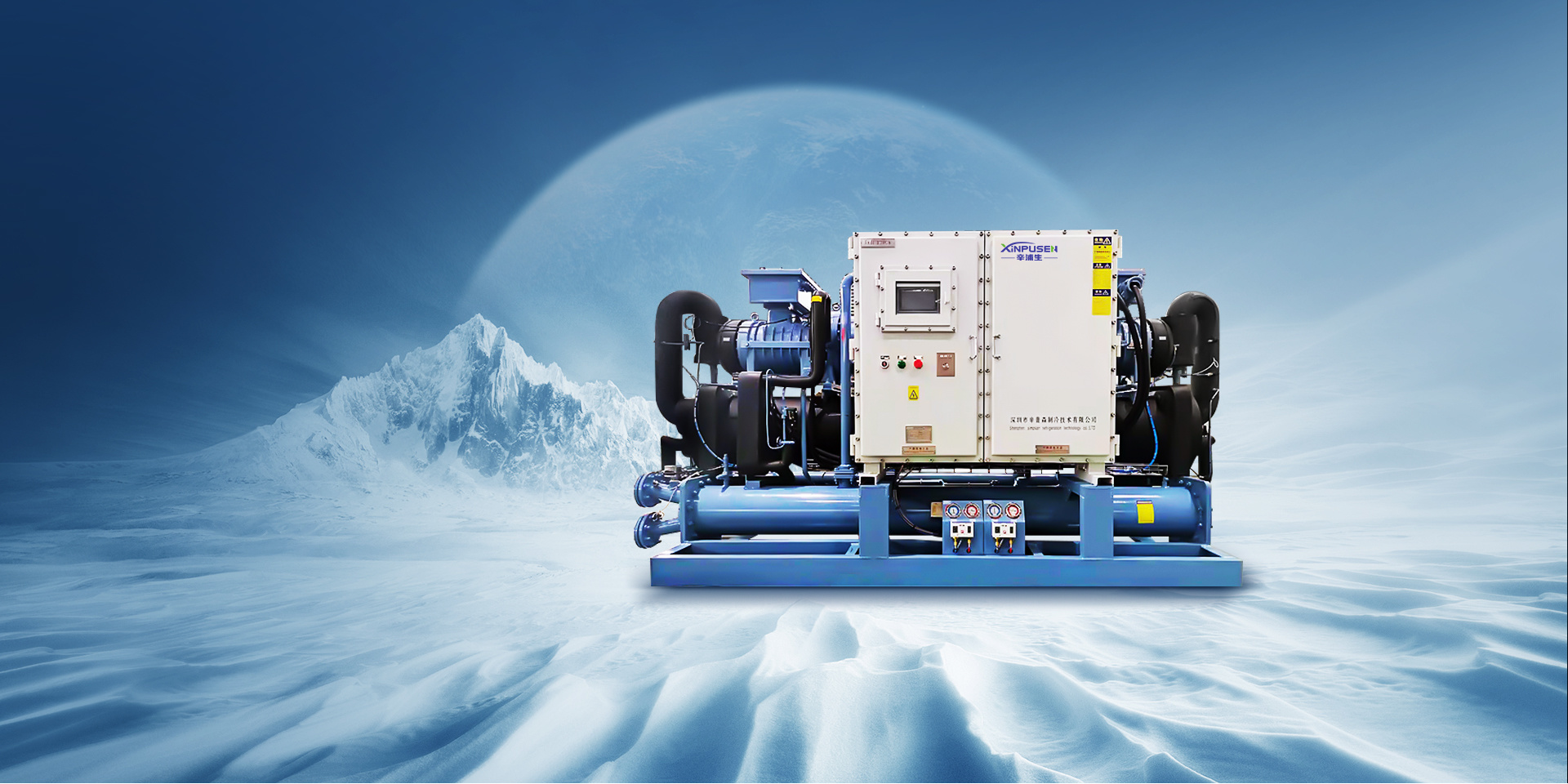
For products, we are seekers of perfection and excellence

Follow Simpson for the latest news

If you have any needs or suggestions, please contact us
 CN
CN EN
EN
News and Information
Follow Simpson for the latest news
Understanding Ultra-Low Temperature Chillers: Essential Insights for Industrial Applications
2026-01-26 10:30
One of the primary advantages of ultra-low temperature chillers is their efficiency in cooling. Unlike standard chillers, which may struggle to achieve and maintain such low temperatures, ultra-low temperature models are engineered specifically for this purpose. They utilize advanced refrigerants and innovative design features to optimize cooling performance while minimizing energy consumption. This efficiency is particularly important for industries that rely on continuous operation and seek to reduce operational costs.
In addition to energy efficiency, ultra-low temperature chillers offer a high degree of temperature stability. This stability is vital for applications such as cryopreservation, where biological samples must be stored at consistent, ultra-low temperatures to preserve their viability. Fluctuations in temperature can lead to cellular damage or loss of critical research data. Therefore, selecting a chiller with robust temperature control features is crucial for maintaining the integrity of sensitive materials.
When considering the use of an ultra-low temperature chiller, there are several factors to keep in mind. First, the chiller's cooling capacity must align with the specific requirements of your application. Understanding the thermal load and the volume of materials to be cooled is essential in selecting the right unit. Additionally, users should evaluate the chiller's footprint, noise levels, and ease of maintenance, which can all impact the efficiency of operations.
Another important aspect is the integration of ultra-low temperature chillers into existing systems. These chillers often work in conjunction with other cooling equipment or laboratory setups. Therefore, compatibility with current infrastructure and ease of installation should be considered during the selection process.
Lastly, regular maintenance of ultra-low temperature chillers is critical for ensuring long-term performance. This includes routine inspections, cleaning, and timely servicing, which can prevent potential breakdowns and extend the lifespan of the equipment.
In conclusion, ultra-low temperature chillers play a crucial role in various industrial applications. Their efficient cooling capabilities, temperature stability, and considerations for maintenance make them a reliable choice for industries that demand precision and reliability. By understanding their features and requirements, users can make informed decisions that enhance their operational efficiency and product integrity.
Previous: How Ultra-Low Temperature Chillers Revolutionize Industrial Processes for Enhanced Efficiency
More Information

2026-07-15
Understanding Low Temperature Refrigeration Systems: A Comprehensive Guide

2026-07-08

2026-07-01
Exploring Ultra Low Temperature Chillers: Innovations and Applications in Industrial Cooling
2026-06-24
Why Your Industrial Operations Need an Ultra Low Temperature Chiller
2026-07-15
Understanding Low Temperature Refrigeration Systems: A Comprehensive Guide
Subscribe to our instant updates
Providing energy-efficient and innovative solutions for global industrial development

Shenzhen Longhua District, Huan Guan South Road, Mayuan Industrial Zone, XINPUSEN Industrial Park
0755-21017010
189-2749-0225
0755-23771793

Scan to add WeChat
© COPYRIGHT 2024 Shenzhen Xinpusen Refrigeration Technology Co., Ltd. ALL RIGHTS RESERVED Powered by www.300.cn