Shenzhen Simpsons Refrigeration Technology Co., Ltd.





In the global industrial temperature control field, we are pragmatic and innovative pioneers, providing energy-saving and innovative solutions for global industrial development, which is our ideal pursuit of hard work.

Focusing on the field of industrial temperature control, let China's energy-saving solutions nourish the world
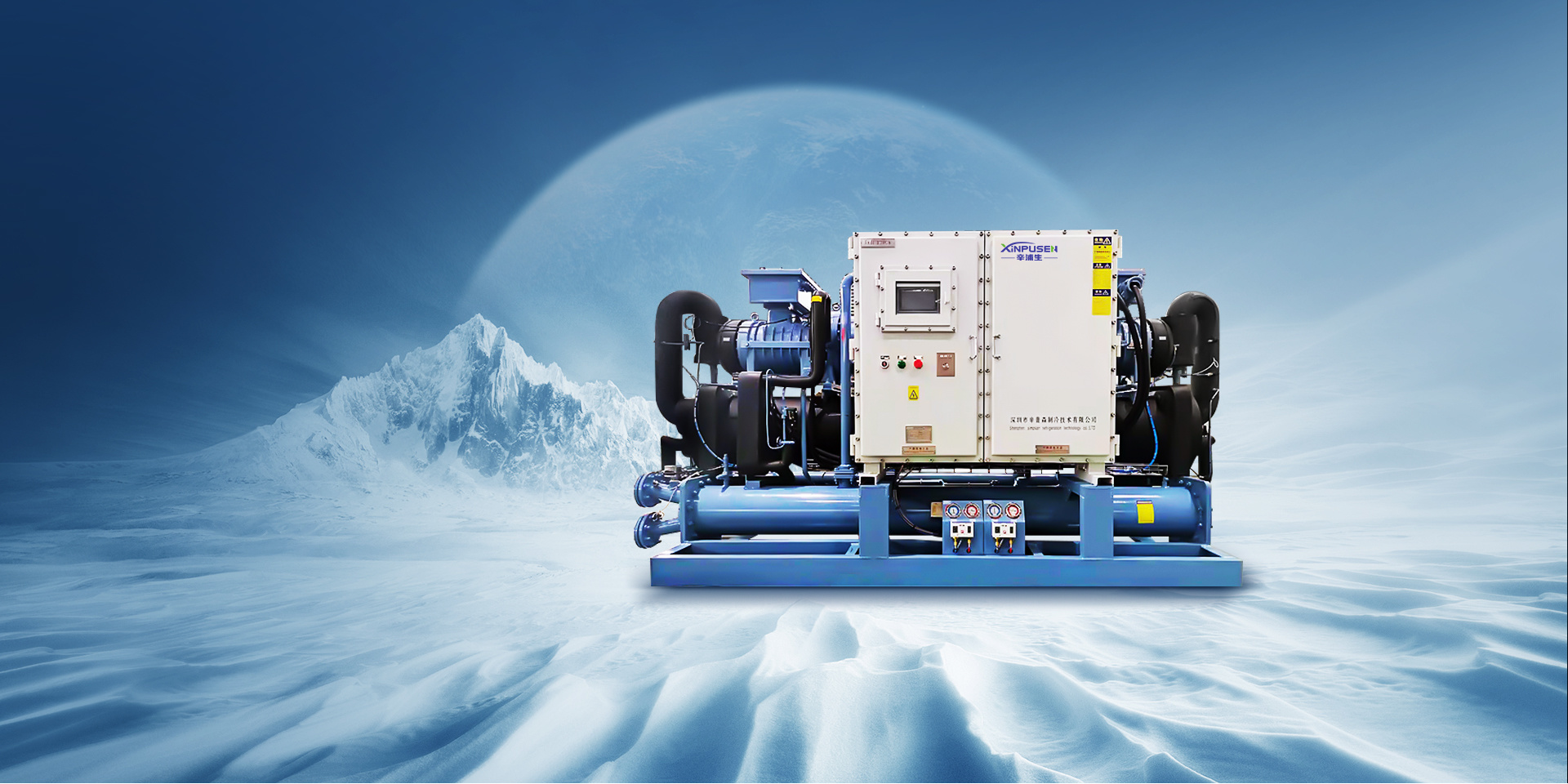
For products, we are seekers of perfection and excellence

Follow Simpson for the latest news

If you have any needs or suggestions, please contact us
 CN
CN EN
EN
News and Information
Follow Simpson for the latest news
How Ultra-Low Temperature Chillers Revolutionize Industrial Processes for Enhanced Efficiency
2026-02-02 18:50
How Ultra-Low Temperature Chillers Revolutionize Industrial Processes for Enhanced Efficiency
Table of Contents
1. Introduction to Ultra-Low Temperature Chillers
2. The Importance of Temperature Control in Industrial Processes
3. How Ultra-Low Temperature Chillers Work
4. Key Applications of Ultra-Low Temperature Chillers
4.1 Pharmaceutical Industry
4.2 Food and Beverage Processing
4.3 Chemical Manufacturing
4.4 Electronics and Semiconductor Manufacturing
5. Benefits of Using Ultra-Low Temperature Chillers
5.1 Enhanced Product Quality
5.2 Energy Efficiency and Cost Savings
5.3 Increased Production Capacity
6. Maintenance and Best Practices
7. Future Trends in Ultra-Low Temperature Chillers
8. Frequently Asked Questions (FAQs)
9. Conclusion
1. Introduction to Ultra-Low Temperature Chillers
Ultra-low temperature chillers are specialized cooling systems designed to maintain temperatures significantly below the conventional range. These chillers are engineered to provide precise temperature control, operating at temperatures as low as -80°C (-112°F). The demand for ultra-low temperature chillers has surged across various industries due to their ability to enhance process efficiency, product quality, and overall operational reliability.
2. The Importance of Temperature Control in Industrial Processes
Temperature control is critical in numerous industrial applications. Maintaining specific temperature ranges ensures that chemical reactions occur optimally, prevents degradation of sensitive materials, and guarantees consistent product quality. Industries such as pharmaceuticals, food and beverage, chemicals, and electronics rely heavily on precise temperature management. Without adequate cooling systems, processes can experience inefficiencies, increased waste, and compromised product integrity.
3. How Ultra-Low Temperature Chillers Work
Ultra-low temperature chillers utilize advanced refrigeration technology to achieve and maintain low temperatures. These systems often incorporate multiple stages of cooling, including vapor compression and expansion cycles. Key components include:
- **Compressor**: Compresses the refrigerant gas, increasing its pressure and temperature.
- **Evaporator**: Absorbs heat from the process fluid, lowering its temperature.
- **Condenser**: Releases heat from the refrigerant to the environment.
- **Expansion Valve**: Regulates the flow of refrigerant into the evaporator.
Through these components, ultra-low temperature chillers efficiently remove heat from the system, delivering precise cooling for various applications.
4. Key Applications of Ultra-Low Temperature Chillers
Ultra-low temperature chillers are versatile and find applications in diverse industries:
4.1 Pharmaceutical Industry
In the pharmaceutical industry, maintaining low temperatures is essential for the storage of sensitive compounds, including vaccines and biologics. Ultra-low temperature chillers ensure that these products remain stable and effective throughout their shelf life.
4.2 Food and Beverage Processing
The food and beverage sector employs ultra-low temperature chillers to preserve freshness and prevent spoilage. By rapidly cooling ingredients during processing, manufacturers can maintain quality and extend shelf life.
4.3 Chemical Manufacturing
Chemical reactions often require precise temperature control to optimize yields and minimize by-products. Ultra-low temperature chillers provide the necessary cooling to facilitate these reactions safely and efficiently.
4.4 Electronics and Semiconductor Manufacturing
In the electronics industry, ultra-low temperature chillers are critical for maintaining optimal conditions during the manufacturing of sensitive components. These chillers help prevent overheating, ensuring the reliability and longevity of electronic products.
5. Benefits of Using Ultra-Low Temperature Chillers
The integration of ultra-low temperature chillers into industrial processes offers a range of benefits:
5.1 Enhanced Product Quality
By maintaining precise temperature control, ultra-low temperature chillers enhance the quality of products. This is particularly crucial in industries like pharmaceuticals and food processing, where temperature fluctuations can lead to degraded quality.
5.2 Energy Efficiency and Cost Savings
Modern ultra-low temperature chillers are designed with energy efficiency in mind. By optimizing cooling cycles and utilizing advanced insulation materials, these systems can significantly reduce energy consumption, leading to substantial cost savings over time.
5.3 Increased Production Capacity
With enhanced cooling capabilities, businesses can streamline their production processes. Ultra-low temperature chillers allow for faster processing times and higher throughput, enabling companies to meet growing market demands efficiently.
6. Maintenance and Best Practices
To ensure optimal performance and longevity of ultra-low temperature chillers, regular maintenance is crucial. Best practices include:
- **Routine Inspections**: Conduct regular checks on the compressor, evaporator, and condenser for signs of wear or damage.
- **Cleaning**: Keep the condenser coils clean to prevent overheating and maintain efficiency.
- **Monitoring Performance**: Utilize monitoring systems to track temperature fluctuations and system performance.
Proper maintenance not only prolongs the life of the chiller but also ensures reliable operation in critical processes.
7. Future Trends in Ultra-Low Temperature Chillers
As technology evolves, the future of ultra-low temperature chillers looks promising. Key trends include:
- **Advanced Refrigerants**: The shift towards environmentally friendly refrigerants is gaining momentum, spurring innovation in chiller design and efficiency.
- **Smart Technology Integration**: IoT-enabled chillers will allow for real-time monitoring and predictive maintenance, enhancing operational efficiency.
- **Modular Designs**: Future chillers may adopt modular designs for easier scalability and customization, catering to specific industrial needs.
These trends will continue to shape the landscape of ultra-low temperature chillers, making them more efficient and sustainable.
8. Frequently Asked Questions (FAQs)
What is the difference between low temperature and ultra-low temperature chillers?
Low temperature chillers typically operate at temperatures above -20°C, while ultra-low temperature chillers can function at temperatures as low as -80°C. The latter is ideal for applications requiring stringent temperature control.
How do I choose the right ultra-low temperature chiller for my application?
Consider factors such as the required temperature range, cooling capacity, energy efficiency, and specific application needs. Consulting with a specialist can help ensure you select the right model.
Are ultra-low temperature chillers energy efficient?
Yes, many modern ultra-low temperature chillers are designed to be energy efficient, utilizing advanced technology and insulation materials to minimize energy consumption.
How often should ultra-low temperature chillers be serviced?
Routine servicing should typically occur at least once a year, but more frequent inspections may be necessary for high-use applications. Regular maintenance helps prevent breakdowns and ensures efficient operation.
Can ultra-low temperature chillers be used in outdoor settings?
While some chillers are designed for outdoor use, it is important to check the manufacturer's specifications. Proper installation and protection from environmental factors are crucial for outdoor applications.
9. Conclusion
Ultra-low temperature chillers play a vital role in enhancing industrial processes across various sectors. Their ability to maintain precise temperature control not only improves product quality but also boosts efficiency and sustainability. As industries continue to evolve, the importance of these advanced cooling systems will only grow, making them essential for meeting the demands of modern manufacturing. Investing in ultra-low temperature chillers is a strategic decision that can lead to significant long-term benefits, ensuring businesses remain competitive in an ever-changing landscape.
Previous: Maximizing Efficiency and Reliability with Air Cooled Industrial Chillers
More Information

2026-07-15
Understanding Low Temperature Refrigeration Systems: A Comprehensive Guide

2026-07-08

2026-07-01
Exploring Ultra Low Temperature Chillers: Innovations and Applications in Industrial Cooling
2026-06-24
Why Your Industrial Operations Need an Ultra Low Temperature Chiller
2026-07-15
Understanding Low Temperature Refrigeration Systems: A Comprehensive Guide
Subscribe to our instant updates
Providing energy-efficient and innovative solutions for global industrial development

Shenzhen Longhua District, Huan Guan South Road, Mayuan Industrial Zone, XINPUSEN Industrial Park
0755-21017010
189-2749-0225
0755-23771793

Scan to add WeChat
© COPYRIGHT 2024 Shenzhen Xinpusen Refrigeration Technology Co., Ltd. ALL RIGHTS RESERVED Powered by www.300.cn