Shenzhen Simpsons Refrigeration Technology Co., Ltd.





In the global industrial temperature control field, we are pragmatic and innovative pioneers, providing energy-saving and innovative solutions for global industrial development, which is our ideal pursuit of hard work.

Focusing on the field of industrial temperature control, let China's energy-saving solutions nourish the world
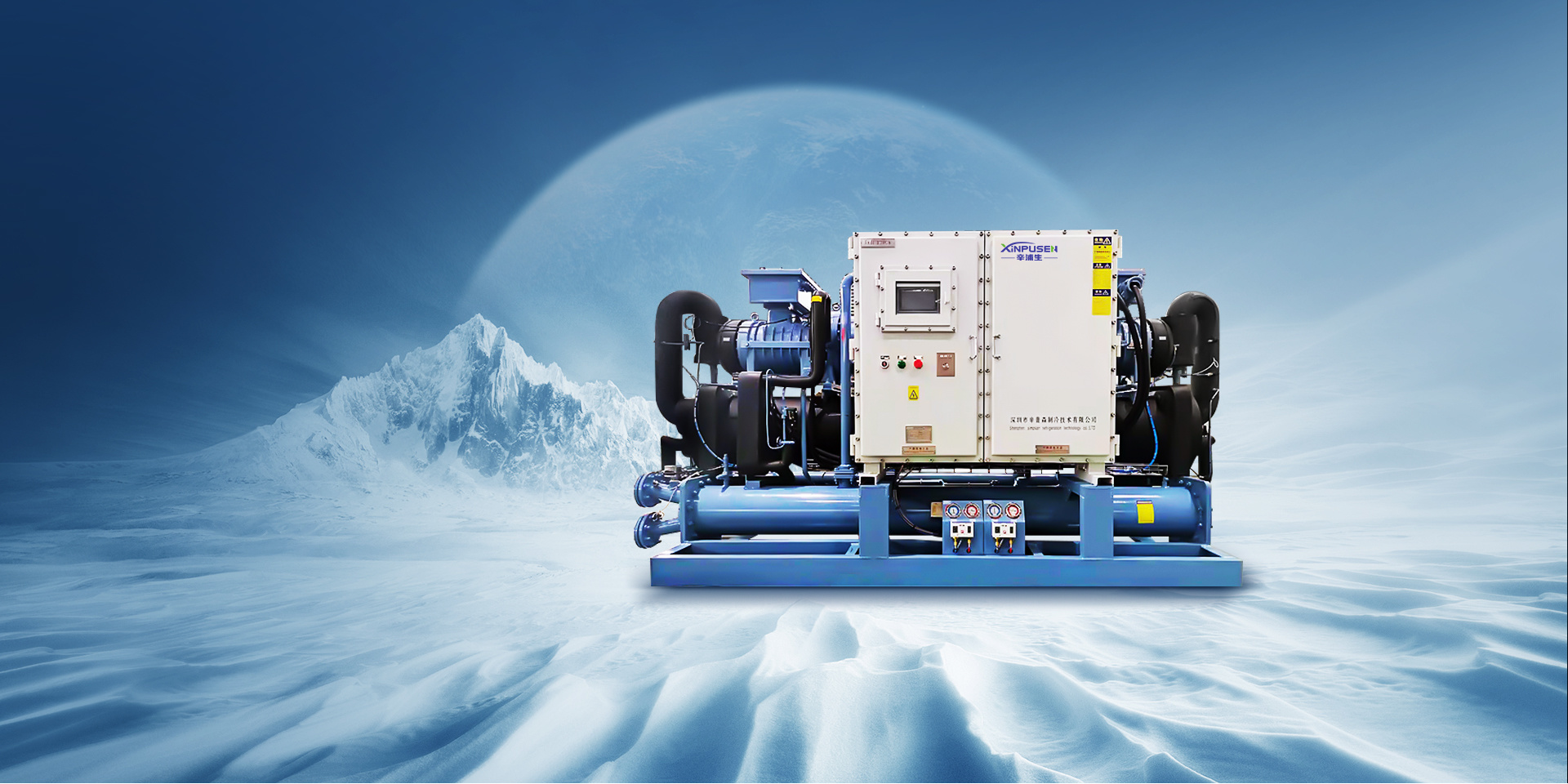
For products, we are seekers of perfection and excellence

Follow Simpson for the latest news

If you have any needs or suggestions, please contact us
 CN
CN EN
EN
News and Information
Follow Simpson for the latest news
Maximizing Efficiency and Reliability with Air Cooled Industrial Chillers
2026-02-09 16:00
One of the primary benefits of air cooled industrial chillers is their ease of installation and flexibility. These units do not require complex water supply systems, which can simplify setup and reduce installation costs. Their standalone nature allows them to be placed in various locations, providing operational flexibility that can be critical in environments with space constraints.
Operational efficiency is another significant advantage. Modern air cooled chillers are designed with advanced technology that optimizes energy consumption. Features such as variable speed drives (VSDs) and high-efficiency compressors allow these chillers to automatically adjust their operation based on the cooling load, which can lead to substantial energy savings. Regular maintenance, including cleaning coils and checking refrigerant levels, can further enhance performance and prolong the unit's lifespan.
Another critical aspect to consider is the environmental impact of air cooled industrial chillers. Many manufacturers are now focusing on eco-friendly refrigerants that have lower global warming potential (GWP). By choosing chillers with sustainable refrigerants and energy-efficient designs, companies can reduce their carbon footprint and comply with increasingly stringent environmental regulations.
The application of air cooled chillers spans various industries, including food processing, pharmaceuticals, and chemical manufacturing. In these sectors, maintaining specific temperature ranges is crucial for product quality and safety. As such, the reliability and precision of air cooled chillers directly influence operational success.
When selecting an air cooled industrial chiller, it is essential to consider factors such as capacity, efficiency ratings (like EER and SEER), and noise levels. Proper sizing is crucial; an undersized unit may struggle to maintain desired temperatures, while an oversized one can lead to inefficiencies and increased wear. Working with experienced professionals to assess your cooling needs can ensure that you select the optimal chiller for your application.
In conclusion, air cooled industrial chillers represent a balance of efficiency, flexibility, and environmental responsibility in temperature control solutions. By understanding their operational characteristics and maintaining them properly, businesses can maximize their investment while achieving reliable cooling performance.
Previous: What to Expect During the Installation of Air Cooled Industrial Chillers: A Comprehensive Guide
More Information

2026-07-15
Understanding Low Temperature Refrigeration Systems: A Comprehensive Guide

2026-07-08

2026-07-01
Exploring Ultra Low Temperature Chillers: Innovations and Applications in Industrial Cooling
2026-06-24
Why Your Industrial Operations Need an Ultra Low Temperature Chiller
2026-07-15
Understanding Low Temperature Refrigeration Systems: A Comprehensive Guide
Subscribe to our instant updates
Providing energy-efficient and innovative solutions for global industrial development

Shenzhen Longhua District, Huan Guan South Road, Mayuan Industrial Zone, XINPUSEN Industrial Park
0755-21017010
189-2749-0225
0755-23771793

Scan to add WeChat
© COPYRIGHT 2024 Shenzhen Xinpusen Refrigeration Technology Co., Ltd. ALL RIGHTS RESERVED Powered by www.300.cn