Shenzhen Simpsons Refrigeration Technology Co., Ltd.





In the global industrial temperature control field, we are pragmatic and innovative pioneers, providing energy-saving and innovative solutions for global industrial development, which is our ideal pursuit of hard work.

Focusing on the field of industrial temperature control, let China's energy-saving solutions nourish the world
For products, we are seekers of perfection and excellence

Follow Simpson for the latest news

If you have any needs or suggestions, please contact us
 CN
CN EN
EN
News and Information
Follow Simpson for the latest news
Understanding Water-Cooled Screw Chillers: The Efficient Cooling Solution for Industrial Applications
2026-03-09 17:20
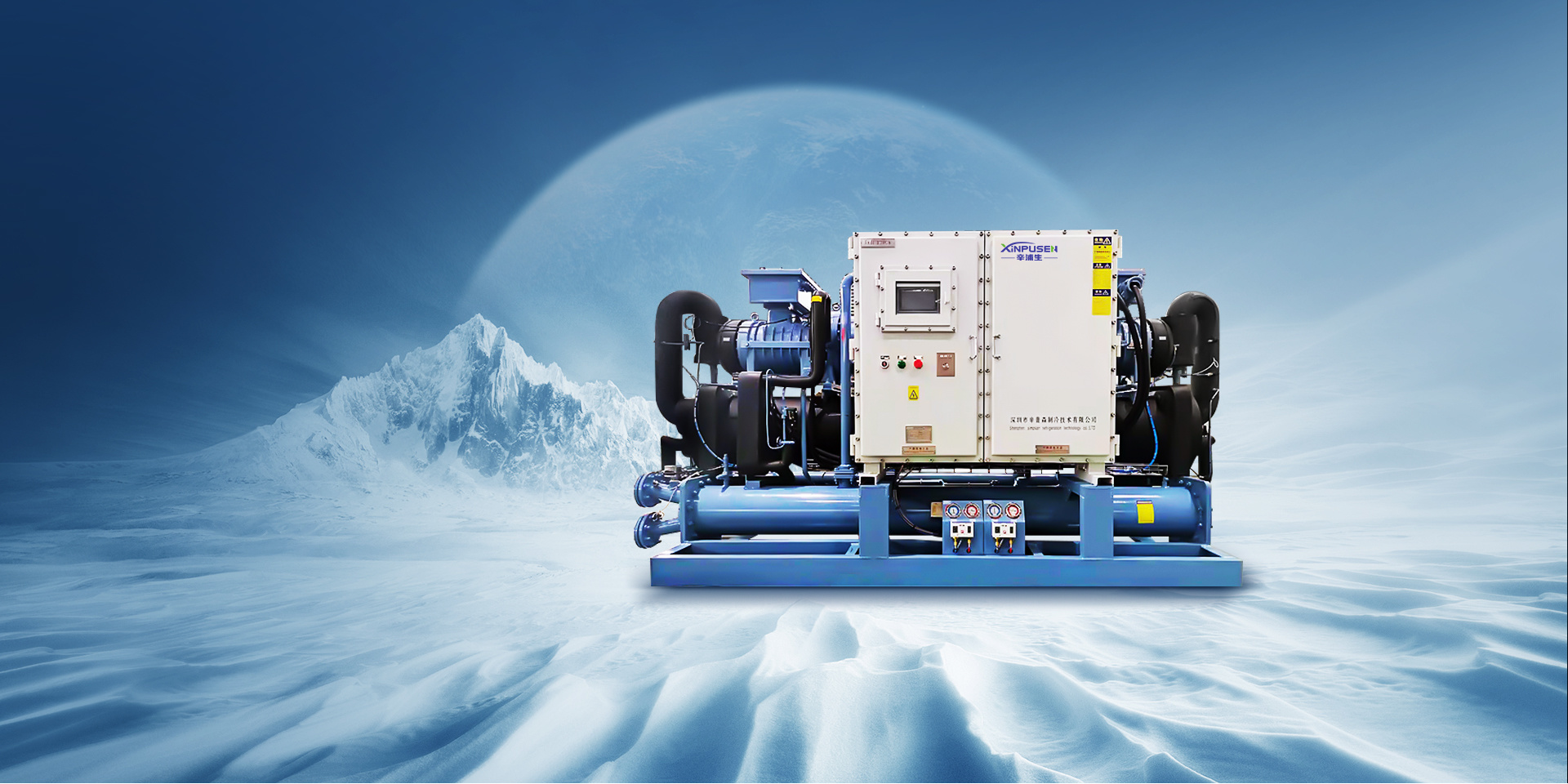
At the core of a water-cooled screw chiller is its compressor, typically a screw type which is known for its high efficiency and reliability. Unlike traditional chillers that use reciprocating compressors, screw chillers can handle larger cooling loads with less energy consumption. This efficiency is a significant advantage in industrial settings where continuous operation and energy savings are critical.
One of the primary benefits of water-cooled screw chillers is their ability to provide consistent cooling performance, even in demanding environments. These systems are designed to maintain optimal temperatures, ensuring that equipment operates efficiently and processes run smoothly. This reliability is essential for industries such as manufacturing, pharmaceuticals, and food processing, where temperature control is crucial for product quality and safety.
In addition to efficiency, water-cooled screw chillers are often more environmentally friendly compared to other cooling options. By utilizing water as the primary cooling medium, they reduce the reliance on harmful refrigerants. Furthermore, many modern chillers are designed to accommodate greener refrigerants with lower global warming potentials, making them a more sustainable choice for industrial operations.
Also, water-cooled screw chillers can be integrated into existing HVAC systems, providing flexibility in terms of installation. They can be scaled to meet various cooling demands, making them suitable for both small and large industrial facilities. Their modular design allows for easy maintenance and upgrades, which can further enhance the system's longevity and performance.
When considering a water-cooled screw chiller, it’s also important to evaluate the system’s control mechanisms. Advanced chillers often come equipped with digital controls and monitoring systems, allowing operators to optimize performance, track energy usage, and respond quickly to any operational issues. This level of oversight can lead to better energy management and reduced operational costs.
In conclusion, water-cooled screw chillers are a vital component in the industrial cooling landscape. Their efficiency, reliability, and environmental benefits make them an attractive option for a wide range of applications. Understanding how these systems work and the advantages they offer can help businesses make better choices for their cooling needs, ultimately supporting their operational efficiency and sustainability goals.
Previous: Why Choose a Water-Cooled Screw Chiller for Your Cooling Needs?
More Information

2026-07-22
How Low Temperature Refrigeration Systems Enhance Industrial Efficiency

2026-07-15
Understanding Low Temperature Refrigeration Systems: A Comprehensive Guide
2026-07-08

2026-07-01
Exploring Ultra Low Temperature Chillers: Innovations and Applications in Industrial Cooling
2026-07-22
How Low Temperature Refrigeration Systems Enhance Industrial Efficiency
Subscribe to our instant updates
Providing energy-efficient and innovative solutions for global industrial development

No. 26, Xin Yuan South Road, Shalu, Tangxia Town,Dongguan City, Guangdong Province; Building 1, Yongsheng Technology Industrial Park
0755-21017010
189-2749-0225
0755-23771793

Scan to add WeChat
© COPYRIGHT 2024 Shenzhen Xinpusen Refrigeration Technology Co., Ltd. ALL RIGHTS RESERVED Powered by www.300.cn