Shenzhen Simpsons Refrigeration Technology Co., Ltd.





In the global industrial temperature control field, we are pragmatic and innovative pioneers, providing energy-saving and innovative solutions for global industrial development, which is our ideal pursuit of hard work.

Focusing on the field of industrial temperature control, let China's energy-saving solutions nourish the world
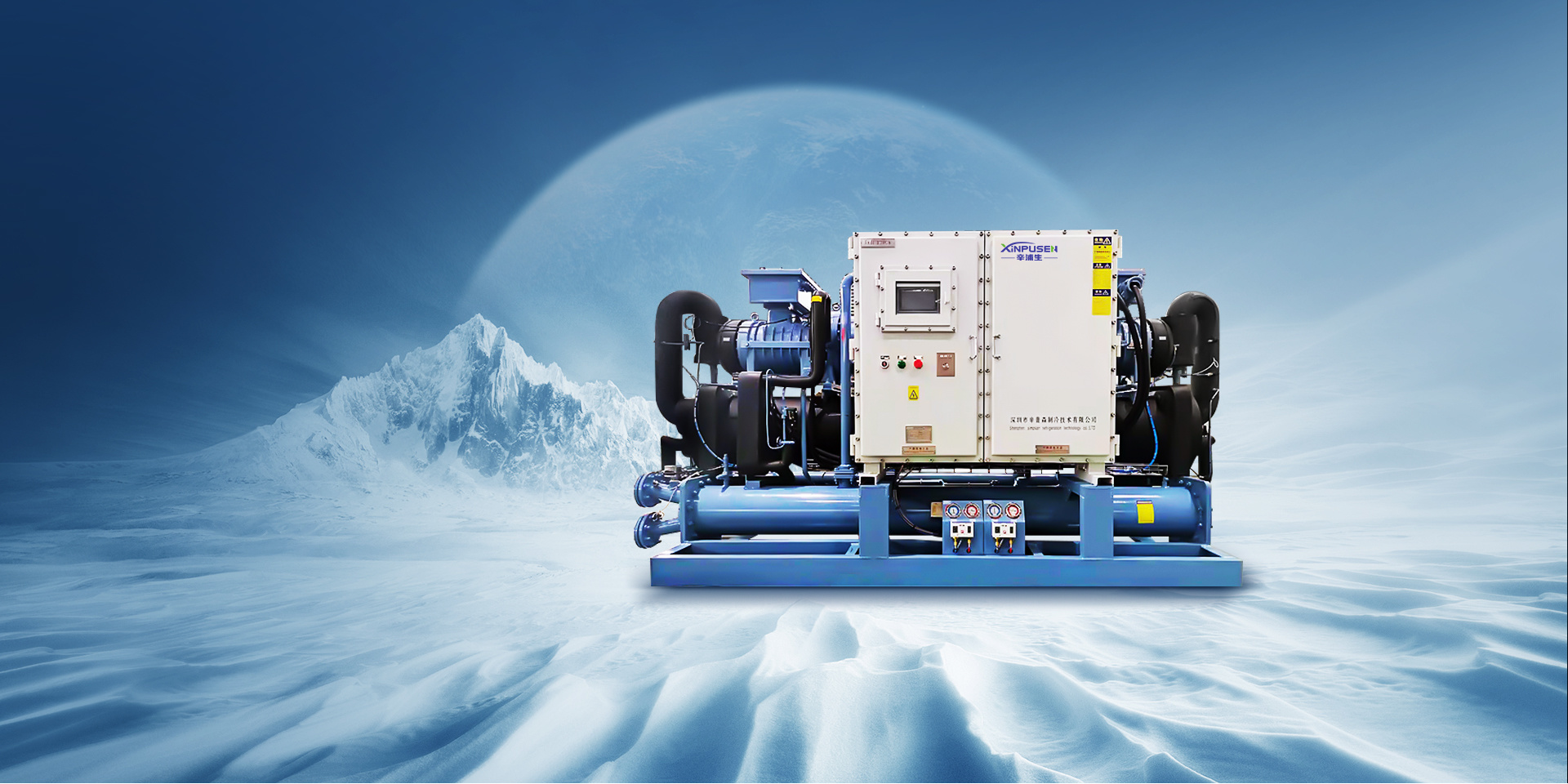
For products, we are seekers of perfection and excellence

Follow Simpson for the latest news

If you have any needs or suggestions, please contact us
 CN
CN EN
EN
News and Information
Follow Simpson for the latest news
Why Choose a Water-Cooled Screw Chiller for Your Cooling Needs?
2026-03-16 14:50
Why Choose a Water-Cooled Screw Chiller for Your Cooling Needs?
Table of Contents
1. Introduction to Water-Cooled Screw Chillers
2. Key Features of Water-Cooled Screw Chillers
3. Benefits of Using Water-Cooled Screw Chillers
3.1 Energy Efficiency
3.2 Environmental Impact
3.3 Space Saving
4. Applications of Water-Cooled Screw Chillers
5. How Water-Cooled Screw Chillers Work
6. Comparing Water-Cooled and Air-Cooled Chillers
7. Maintenance of Water-Cooled Screw Chillers
8. Frequently Asked Questions (FAQs)
8.1 What is the lifespan of a water-cooled screw chiller?
8.2 How do I choose the right size chiller for my needs?
8.3 Are water-cooled screw chillers environmentally friendly?
8.4 What is the average cost of installing a water-cooled screw chiller?
8.5 How often should a water-cooled screw chiller be serviced?
9. Conclusion
1. Introduction to Water-Cooled Screw Chillers
Water-cooled screw chillers have emerged as a preferred choice for many industrial applications that require reliable and efficient cooling solutions. These systems utilize water as a cooling medium and are designed to handle large loads while maintaining optimal performance. With advancements in technology, modern water-cooled screw chillers offer innovative features that enhance efficiency and minimize operational costs.
2. Key Features of Water-Cooled Screw Chillers
Water-cooled screw chillers are characterized by several key features that set them apart from other cooling systems:
- **Screw Compressors**: The heart of the chiller, screw compressors, provide high efficiency and reliability. They operate smoothly, reducing wear and tear while ensuring a longer lifespan.
- **Shell and Tube Heat Exchangers**: These components effectively transfer heat from the refrigerant to the water, enhancing the cooling process.
- **Variable Speed Drives (VSD)**: Many modern chillers incorporate VSD technology, allowing them to adjust their operating speed based on cooling demands, further increasing energy efficiency.
- **Advanced Control Systems**: These systems enable precise monitoring and control over the cooling process, optimizing performance and energy consumption.
3. Benefits of Using Water-Cooled Screw Chillers
When considering a cooling solution, the benefits of water-cooled screw chillers are numerous and significant.
3.1 Energy Efficiency
One of the primary advantages of water-cooled screw chillers is their **energy efficiency**. These chillers typically operate at lower energy costs compared to their air-cooled counterparts due to their ability to dissipate heat more effectively. This efficiency translates into reduced electricity bills and a smaller carbon footprint.
3.2 Environmental Impact
With a growing focus on sustainability, water-cooled screw chillers stand out as an environmentally friendly option. They often use natural refrigerants, which have a lower global warming potential (GWP), aligning with environmental regulations and helping businesses meet their sustainability goals.
3.3 Space Saving
Water-cooled screw chillers require less space than traditional air-cooled units. The compact design allows for efficient installation in tight spaces, making them an ideal choice for urban settings or facilities with limited real estate.
4. Applications of Water-Cooled Screw Chillers
Water-cooled screw chillers are versatile and can be applied across a variety of industries. Common applications include:
- **Manufacturing**: Used in processes requiring precise temperature control, such as injection molding and food processing.
- **Data Centers**: Essential for maintaining optimal temperatures within server rooms to ensure equipment longevity and reliability.
- **Commercial Buildings**: Employed in HVAC systems to provide comfortable environments in office buildings and shopping centers.
- **Chemical Processing**: Used to regulate temperatures in chemical reactions and processes, ensuring safety and efficiency.
5. How Water-Cooled Screw Chillers Work
Understanding the workings of a water-cooled screw chiller can help in appreciating its advantages. The chiller operates by:
1. **Refrigerant Compression**: The screw compressor compresses the refrigerant, raising its temperature and pressure.
2. **Heat Exchange**: The hot refrigerant then passes through the shell and tube heat exchanger, where it releases heat to the cooling water.
3. **Cooling Process**: The cooled refrigerant is then expanded, reducing its pressure and temperature, making it ready to absorb heat from the building or process.
4. **Recirculation**: The cycle repeats as the refrigerant continues to circulate, maintaining consistent cooling.
6. Comparing Water-Cooled and Air-Cooled Chillers
When deciding between water-cooled and air-cooled chillers, several factors come into play:
- **Efficiency**: Water-cooled chillers often have higher efficiency ratings, especially in larger capacities.
- **Installation Cost**: While water-cooled chillers may have higher upfront installation costs due to additional water systems, their long-term operational savings can offset this initial investment.
- **Maintenance Needs**: Water-cooled systems generally require more maintenance due to the need for water treatment and cooling tower upkeep, while air-cooled systems are easier to maintain.
7. Maintenance of Water-Cooled Screw Chillers
Proper maintenance of water-cooled screw chillers is essential for optimal performance and longevity. Regular maintenance tasks include:
- **Routine Inspections**: Checking for leaks, corrosion, and other potential issues.
- **Water Treatment**: Ensuring the cooling water is treated to prevent fouling and scaling in the heat exchangers.
- **Filter Replacement**: Changing filters regularly to maintain airflow and efficiency.
- **Performance Monitoring**: Using advanced control systems to monitor performance metrics and adjust operations as necessary.
8. Frequently Asked Questions (FAQs)
8.1 What is the lifespan of a water-cooled screw chiller?
Water-cooled screw chillers typically have a lifespan of 15 to 25 years with proper maintenance and care.
8.2 How do I choose the right size chiller for my needs?
Selecting the right chiller size involves considering factors such as cooling load requirements, building size, and application types. Consulting with a qualified HVAC professional is recommended.
8.3 Are water-cooled screw chillers environmentally friendly?
Yes, many water-cooled screw chillers utilize low-GWP refrigerants and are designed to operate efficiently, contributing to a reduced environmental impact.
8.4 What is the average cost of installing a water-cooled screw chiller?
Installation costs can vary widely based on factors like system size, complexity, and location, but expect to budget anywhere from $20,000 to $100,000 or more.
8.5 How often should a water-cooled screw chiller be serviced?
Regular service is recommended at least once a year, with more frequent checks during peak operational periods to ensure efficiency and reliability.
9. Conclusion
In summary, choosing a water-cooled screw chiller for your cooling needs offers numerous benefits, including enhanced energy efficiency, improved environmental sustainability, and versatile applications across various industries. As technology continues to advance, these systems are becoming increasingly essential for businesses looking to optimize their cooling processes while minimizing costs. By investing in a water-cooled screw chiller, you are not just choosing a cooling system; you are opting for a reliable, efficient, and environmentally conscious solution to meet your cooling requirements.
Previous: Maximizing Efficiency with Air-Cooled Heat Pump Chillers in Industrial Applications
More Information

2026-07-22
How Low Temperature Refrigeration Systems Enhance Industrial Efficiency

2026-07-15
Understanding Low Temperature Refrigeration Systems: A Comprehensive Guide
2026-07-08

2026-07-01
Exploring Ultra Low Temperature Chillers: Innovations and Applications in Industrial Cooling
2026-07-22
How Low Temperature Refrigeration Systems Enhance Industrial Efficiency
Subscribe to our instant updates
Providing energy-efficient and innovative solutions for global industrial development

Shenzhen Longhua District, Huan Guan South Road, Mayuan Industrial Zone, XINPUSEN Industrial Park
0755-21017010
189-2749-0225
0755-23771793

Scan to add WeChat
© COPYRIGHT 2024 Shenzhen Xinpusen Refrigeration Technology Co., Ltd. ALL RIGHTS RESERVED Powered by www.300.cn