Shenzhen Simpsons Refrigeration Technology Co., Ltd.





In the global industrial temperature control field, we are pragmatic and innovative pioneers, providing energy-saving and innovative solutions for global industrial development, which is our ideal pursuit of hard work.

Focusing on the field of industrial temperature control, let China's energy-saving solutions nourish the world
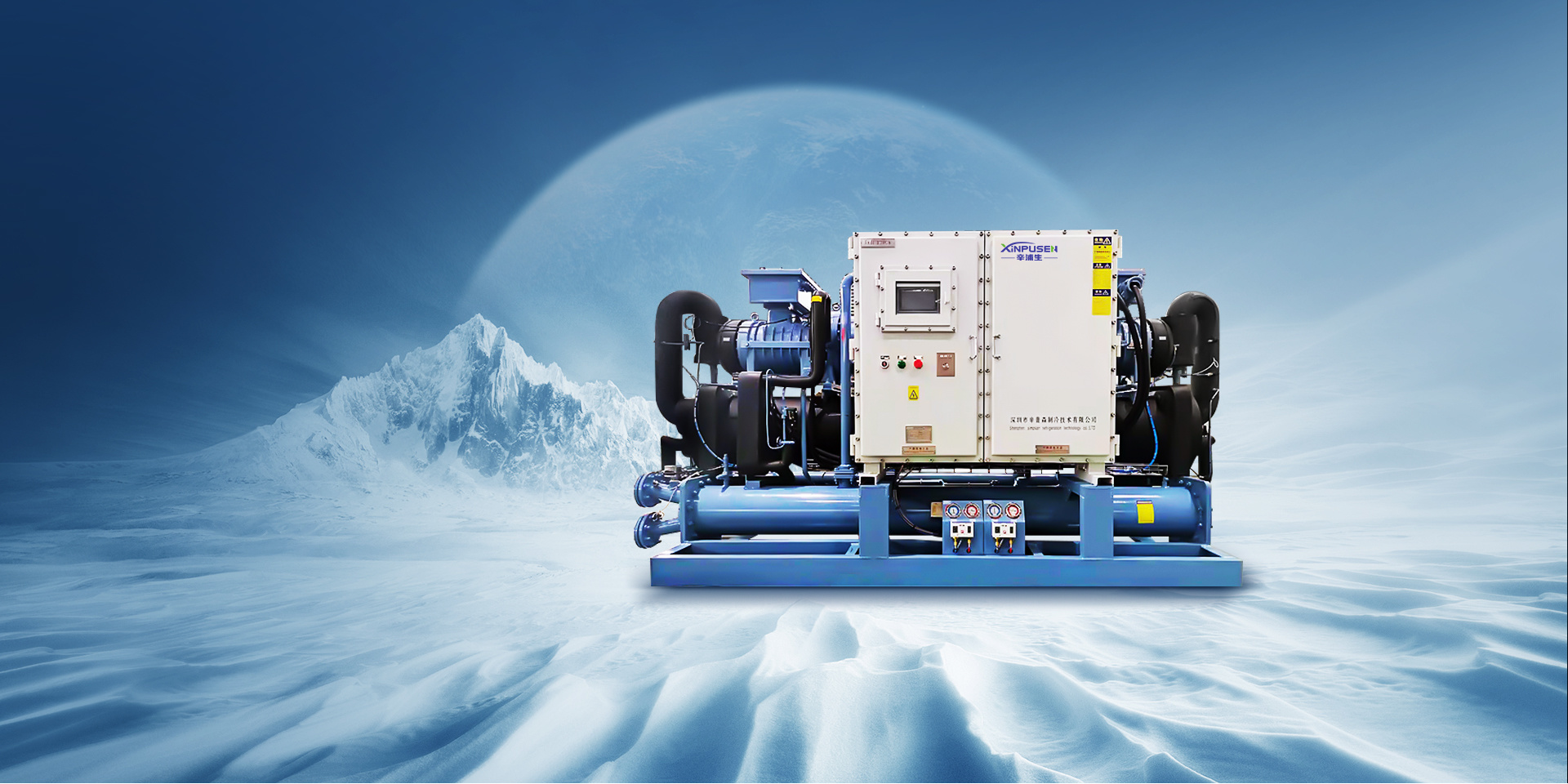
For products, we are seekers of perfection and excellence

Follow Simpson for the latest news

If you have any needs or suggestions, please contact us
 CN
CN EN
EN
News and Information
Follow Simpson for the latest news
Maximizing Efficiency with Air-Cooled Heat Pump Chillers in Industrial Applications
2026-03-23 15:00
Air-cooled heat pump chillers operate through a straightforward refrigeration cycle that includes evaporators, compressors, condensers, and expansion valves. The process begins with the evaporator absorbing heat from the water, turning it into vapor. This vapor is then compressed, raising its pressure and temperature. The hot vapor moves to the condenser, where it releases heat to the outside air, converting back into a liquid state. This cycle efficiently removes heat from the desired area while providing hot water or heating capabilities when needed.
One of the key benefits of air-cooled heat pump chillers is their energy efficiency. These units often outperform traditional cooling systems by using less energy to achieve the same cooling effect. This not only reduces operational costs but also lowers the carbon footprint of industrial facilities, aligning with modern sustainability goals. Moreover, advancements in technology have led to the development of units that utilize variable speed compressors and enhanced heat exchangers, further enhancing efficiency.
When considering the implementation of air-cooled heat pump chillers, several factors must be taken into account. First, the location of the installation is crucial; these units require sufficient outdoor space to allow for proper airflow. Additionally, noise levels produced by the chillers should be evaluated, as some applications may necessitate sound attenuation measures. Moreover, maintenance practices play a vital role in ensuring the longevity and performance of the equipment. Regular inspections, cleaning, and timely component replacements help maintain efficiency and prevent breakdowns.
Furthermore, it's essential to assess the specific cooling needs of your facility. Different applications may require varying capacities and configurations of chillers, so a thorough evaluation will help in selecting the right equipment that aligns with operational demands. Consulting with a professional who specializes in industrial refrigeration can provide valuable insights and guidance in making informed decisions.
In conclusion, air-cooled heat pump chillers represent a forward-thinking solution in the industrial equipment sector. By understanding their operational principles, advantages, and installation considerations, businesses can make strategic choices that enhance efficiency, reduce costs, and support sustainability efforts. Incorporating these chillers into your cooling strategy can lead to improved performance and a competitive edge in the market.
Previous: Why Choose an Air-Cooled Heat Pump Chiller for Your Industrial Needs?
More Information

2026-07-22
How Low Temperature Refrigeration Systems Enhance Industrial Efficiency

2026-07-15
Understanding Low Temperature Refrigeration Systems: A Comprehensive Guide
2026-07-08

2026-07-01
Exploring Ultra Low Temperature Chillers: Innovations and Applications in Industrial Cooling
2026-07-22
How Low Temperature Refrigeration Systems Enhance Industrial Efficiency
Subscribe to our instant updates
Providing energy-efficient and innovative solutions for global industrial development

No. 26, Xin Yuan South Road, Shalu, Tangxia Town,Dongguan City, Guangdong Province; Building 1, Yongsheng Technology Industrial Park
0755-21017010
189-2749-0225
0755-23771793

Scan to add WeChat
© COPYRIGHT 2024 Shenzhen Xinpusen Refrigeration Technology Co., Ltd. ALL RIGHTS RESERVED Powered by www.300.cn