Shenzhen Simpsons Refrigeration Technology Co., Ltd.





In the global industrial temperature control field, we are pragmatic and innovative pioneers, providing energy-saving and innovative solutions for global industrial development, which is our ideal pursuit of hard work.

Focusing on the field of industrial temperature control, let China's energy-saving solutions nourish the world
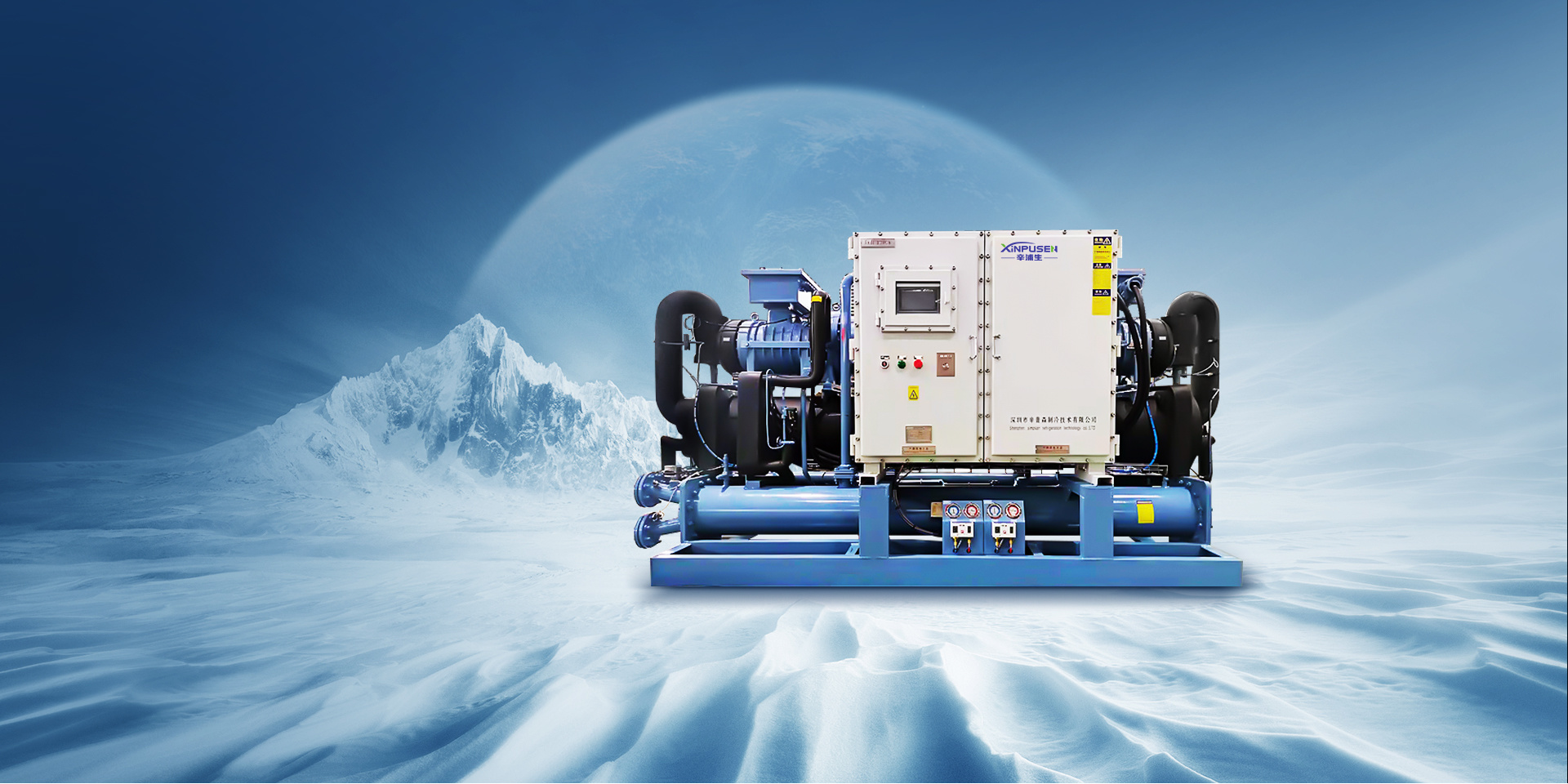
For products, we are seekers of perfection and excellence

Follow Simpson for the latest news

If you have any needs or suggestions, please contact us
 CN
CN EN
EN
News and Information
Follow Simpson for the latest news
Why Choose an Air-Cooled Heat Pump Chiller for Your Industrial Needs?
2026-03-30 17:20
Why Choose an Air-Cooled Heat Pump Chiller for Your Industrial Needs?
In today's competitive industrial landscape, choosing the right cooling solution is essential for maximizing efficiency and reducing operational costs. Among the various options available, **air-cooled heat pump chillers** stand out as a versatile and highly effective choice. This article explores the myriad reasons why industrial facilities should consider these chillers for their cooling needs.
Understanding Air-Cooled Heat Pump Chillers
Before diving into the benefits, it is crucial to understand what air-cooled heat pump chillers are and how they operate. These systems utilize ambient air as a heat exchange medium to cool or heat fluids. They consist of a compressor, condenser, expansion valve, and evaporator, working together to transfer heat efficiently.
Components of Air-Cooled Heat Pump Chillers
- **Compressor**: This component compresses refrigerant gas and circulates it through the system.
- **Condenser**: Here, the refrigerant releases heat to the outside air.
- **Expansion Valve**: This device regulates the flow of refrigerant into the evaporator.
- **Evaporator**: It absorbs heat from the fluid being cooled.
By employing this straightforward mechanism, air-cooled heat pump chillers provide a reliable and energy-efficient cooling solution.
Top Reasons to Choose Air-Cooled Heat Pump Chillers
When it comes to selecting a cooling system for industrial applications, air-cooled heat pump chillers offer several distinct advantages:
1. Energy Efficiency
Energy efficiency is a top priority for modern industries. Air-cooled heat pump chillers are designed to consume less energy compared to traditional cooling systems. They leverage advanced technology, such as variable speed drives and high-efficiency compressors, to optimize performance while minimizing energy consumption.
2. Cost-Effectiveness
Initial investment and operational costs are significant factors for any industrial facility. Air-cooled chillers typically have lower installation costs because they do not require extensive piping systems or cooling towers. Additionally, their energy-efficient design leads to reduced utility bills over time, providing a solid return on investment.
3. Easy Installation and Maintenance
**Installation** of air-cooled heat pump chillers is straightforward, requiring minimal space and infrastructure. This ease of installation translates into faster project timelines and fewer disruptions to your operations. Furthermore, maintenance is simplified, as these units are easily accessible for service, reducing downtime and prolonging the system's lifespan.
Maintenance Best Practices
To ensure optimal performance, regular maintenance is essential. Here are some best practices:
- **Regularly clean filters**: Clogged filters can reduce efficiency and airflow.
- **Inspect coils**: Periodic checks will prevent buildup that can impair performance.
- **Monitor refrigerant levels**: Keeping the right levels ensures optimal cooling efficiency.
4. Versatility and Adaptability
Air-cooled heat pump chillers are suitable for a wide range of applications, making them ideal for diverse industrial environments. Whether you need cooling for manufacturing processes, comfort cooling in facilities, or temperature control for sensitive materials, these chillers can adapt to your specific needs.
Common Applications
- **Manufacturing facilities**: Used for process cooling, maintaining optimal temperatures for production.
- **Data centers**: Essential for maintaining the required temperatures in server rooms.
- **Food and beverage processing**: Helps in temperature regulation to preserve product quality.
5. Environmentally Friendly
As industries face increasing pressure to reduce their carbon footprint, air-cooled heat pump chillers are an eco-friendly option. They use refrigerants with low global warming potential and minimize water usage, contributing to more sustainable industrial practices.
How to Select the Right Air-Cooled Heat Pump Chiller
Choosing the right air-cooled heat pump chiller for your industrial needs requires careful consideration of several factors:
1. Cooling Capacity
Evaluate your facility's cooling requirements. Cooling capacity is usually measured in tons, and selecting a chiller with the appropriate capacity ensures efficient and effective cooling.
2. Energy Efficiency Ratio (EER)
Look for chillers with a high EER rating. The higher the EER, the more efficient the chiller is, leading to reduced energy costs.
3. Noise Levels
Since air-cooled chillers operate outdoors, consider the noise levels produced. Selecting a unit with low noise emissions can minimize disturbances to your facility and surrounding areas.
4. Brand Reputation and Support
Opt for reputable manufacturers known for quality and customer support. Evaluate reviews and case studies to gauge performance and reliability.
Installation Process for Air-Cooled Heat Pump Chillers
Understanding the installation process can help in planning your industrial operations effectively:
1. Site Assessment
Conduct a thorough assessment of the installation site, taking into account space, accessibility, and existing infrastructure.
2. System Design and Selection
Based on the assessment, design a system that meets your cooling requirements and select the appropriate chiller model.
3. Installation
Professional installation is crucial. Trained technicians will ensure that the chiller is correctly set up and integrated into your system.
4. Testing and Commissioning
Once installed, the system must be tested to ensure it operates at peak efficiency. This step includes verifying cooling performance, checking for leaks, and confirming that all components work seamlessly.
Common Challenges and Solutions
While air-cooled heat pump chillers are generally reliable, challenges can arise:
1. Insufficient Cooling Capacity
If the chiller is unable to meet cooling demands, consider upgrading to a larger model or implementing additional units.
2. High Energy Costs
If energy costs are unexpectedly high, investigate factors like refrigerant leaks, dirty coils, or malfunctioning components.
3. Noise Concerns
For facilities facing noise issues, consider installing sound barriers or selecting models designed for quieter operation.
Conclusion
In conclusion, **air-cooled heat pump chillers** represent an exceptional choice for industrial cooling needs. Their energy efficiency, cost-effectiveness, ease of installation, and environmental benefits position them as a leading solution in today’s market. By carefully selecting the right model and maintaining it properly, businesses can enjoy optimal performance while minimizing their operational impact. Embracing this technology not only ensures cooler working environments but also contributes to a more sustainable future.
Frequently Asked Questions
1. What is the difference between air-cooled and water-cooled chillers?
Air-cooled chillers use ambient air for cooling, while water-cooled chillers rely on water from cooling towers. Air-cooled chillers are often easier to install and maintain, making them a popular choice for many industrial applications.
2. How do I determine the cooling capacity needed for my facility?
To determine the required cooling capacity, assess the heat load generated by equipment, the square footage of the space, and any thermal characteristics. Consulting with an HVAC professional can help accurately calculate your needs.
3. Are air-cooled heat pump chillers energy-efficient?
Yes, air-cooled heat pump chillers are designed for high energy efficiency, often incorporating advanced technology that minimizes energy consumption while maximizing cooling performance.
4. Can air-cooled heat pump chillers operate in extreme temperatures?
While air-cooled chillers can function in a variety of environmental conditions, their efficiency may diminish in extreme heat. Selecting a unit designed for hotter climates can help mitigate this issue.
5. What maintenance is required for air-cooled heat pump chillers?
Regular maintenance includes cleaning or replacing filters, checking refrigerant levels, inspecting coils, and ensuring all components function properly. A scheduled maintenance plan is recommended to prolong the chiller’s life and efficiency.
Previous: Maximizing Efficiency with Air-Cooled Heat Pump Chillers: A Comprehensive Guide
More Information

2026-07-22
How Low Temperature Refrigeration Systems Enhance Industrial Efficiency

2026-07-15
Understanding Low Temperature Refrigeration Systems: A Comprehensive Guide
2026-07-08

2026-07-01
Exploring Ultra Low Temperature Chillers: Innovations and Applications in Industrial Cooling
2026-07-22
How Low Temperature Refrigeration Systems Enhance Industrial Efficiency
Subscribe to our instant updates
Providing energy-efficient and innovative solutions for global industrial development

No. 26, Xin Yuan South Road, Shalu, Tangxia Town,Dongguan City, Guangdong Province; Building 1, Yongsheng Technology Industrial Park
0755-21017010
189-2749-0225
0755-23771793

Scan to add WeChat
© COPYRIGHT 2024 Shenzhen Xinpusen Refrigeration Technology Co., Ltd. ALL RIGHTS RESERVED Powered by www.300.cn