Shenzhen Simpsons Refrigeration Technology Co., Ltd.





In the global industrial temperature control field, we are pragmatic and innovative pioneers, providing energy-saving and innovative solutions for global industrial development, which is our ideal pursuit of hard work.

Focusing on the field of industrial temperature control, let China's energy-saving solutions nourish the world
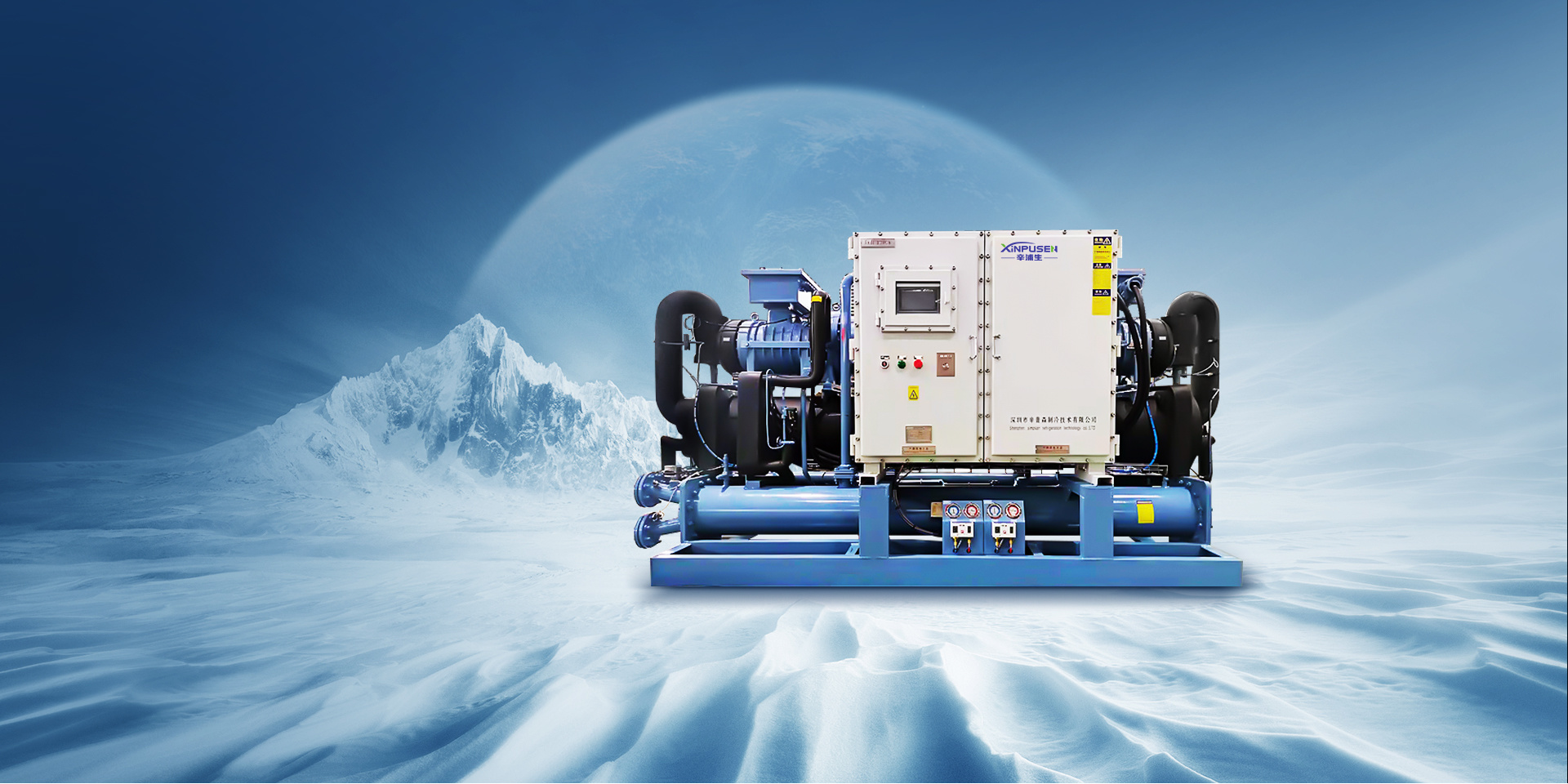
For products, we are seekers of perfection and excellence

Follow Simpson for the latest news

If you have any needs or suggestions, please contact us
 CN
CN EN
EN
News and Information
Follow Simpson for the latest news
Understanding Air-Cooled Industrial Chillers: Efficiency and Applications
2026-04-20 15:50
One of the key benefits of air-cooled industrial chillers is their ease of installation and maintenance. Since they do not require a cooling tower or an extensive water supply system, the installation process can be simpler and more cost-effective. Additionally, these chillers typically have lower maintenance requirements compared to their water-cooled counterparts. The absence of a cooling tower means fewer components that can wear out or require upkeep, leading to reduced operational downtime.
Air-cooled chillers are also known for their versatility. They can be utilized in a wide range of applications, from manufacturing plants to food processing facilities and even in commercial buildings. They are particularly beneficial in industries where high ambient temperatures are common, as they can effectively manage cooling loads without the complications of water management systems. Furthermore, these chillers can be easily integrated into existing cooling systems, making them an attractive option for retrofitting older facilities.
Another noteworthy aspect of air-cooled industrial chillers is their energy efficiency. With advancements in technology, modern air-cooled chillers are designed to maximize performance while minimizing energy consumption. Features such as variable speed fans and advanced control systems allow these chillers to adjust their operation based on the current cooling demand, which can lead to significant energy savings over time. This efficiency not only helps reduce operational costs but also contributes to a smaller carbon footprint, aligning with the growing emphasis on sustainability in industrial practices.
In conclusion, air-cooled industrial chillers play a vital role in various industrial applications by providing effective cooling solutions that are easy to install and maintain. Their versatility, energy efficiency, and reduced environmental impact make them a preferred choice for many industries. As businesses continue to seek reliable and efficient cooling options, understanding the functionality and benefits of these chillers becomes increasingly important for optimizing industrial operations and ensuring sustainable practices. Whether you are looking to upgrade existing equipment or invest in a new cooling system, air-cooled chillers represent a significant advancement in industrial cooling technology.
Previous: Understanding Low Temperature Cooling Systems in Industrial Applications
More Information

2026-07-22
How Low Temperature Refrigeration Systems Enhance Industrial Efficiency

2026-07-15
Understanding Low Temperature Refrigeration Systems: A Comprehensive Guide
2026-07-08

2026-07-01
Exploring Ultra Low Temperature Chillers: Innovations and Applications in Industrial Cooling
2026-07-22
How Low Temperature Refrigeration Systems Enhance Industrial Efficiency
Subscribe to our instant updates
Providing energy-efficient and innovative solutions for global industrial development

No. 26, Xin Yuan South Road, Shalu, Tangxia Town,Dongguan City, Guangdong Province; Building 1, Yongsheng Technology Industrial Park
0755-21017010
189-2749-0225
0755-23771793

Scan to add WeChat
© COPYRIGHT 2024 Shenzhen Xinpusen Refrigeration Technology Co., Ltd. ALL RIGHTS RESERVED Powered by www.300.cn