Shenzhen Simpsons Refrigeration Technology Co., Ltd.





In the global industrial temperature control field, we are pragmatic and innovative pioneers, providing energy-saving and innovative solutions for global industrial development, which is our ideal pursuit of hard work.

Focusing on the field of industrial temperature control, let China's energy-saving solutions nourish the world
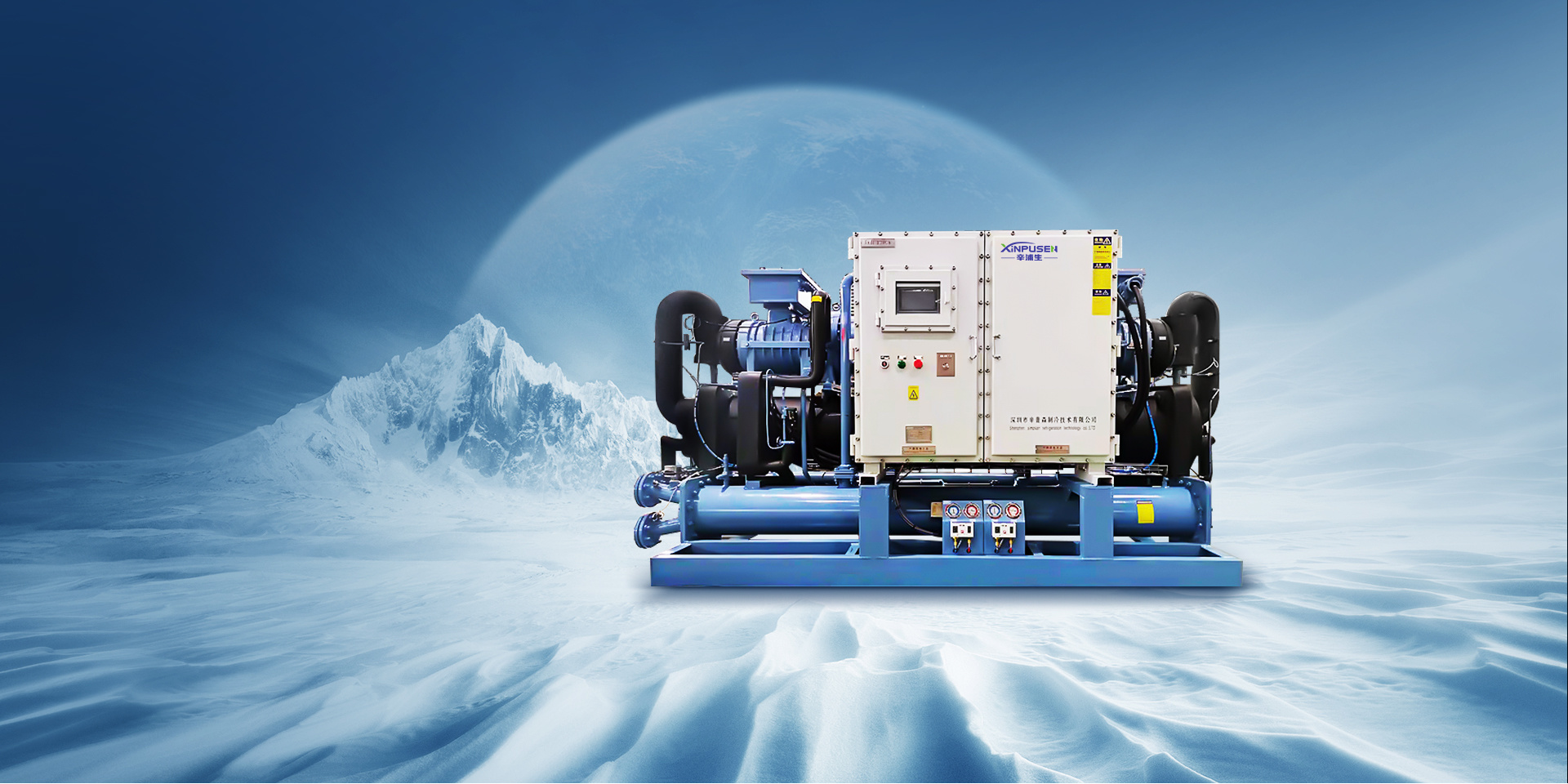
For products, we are seekers of perfection and excellence

Follow Simpson for the latest news

If you have any needs or suggestions, please contact us
 CN
CN EN
EN
News and Information
Follow Simpson for the latest news
Understanding Low Temperature Cooling Systems in Industrial Applications
2026-05-04 14:40
One of the key components in low temperature cooling systems is the refrigerant, which absorbs heat from the target area and releases it at a higher temperature elsewhere. The choice of refrigerant is critical, as it impacts the system's efficiency, operational costs, and environmental sustainability. Professionals must consider factors such as the refrigerant's thermal properties, global warming potential (GWP), and ozone depletion potential (ODP) when selecting the appropriate refrigerant for their cooling systems.
In addition to refrigerants, the design of the cooling system itself is crucial for effective heat transfer. Several types of cooling methods are commonly employed, including evaporative cooling, mechanical refrigeration, and thermoelectric cooling. Each method has its advantages and limitations, depending on specific industry needs, space constraints, and energy efficiency goals.
For instance, evaporative cooling systems utilize the natural process of water evaporation to reduce air temperature, making them suitable for large-scale applications with adequate water supply. On the other hand, mechanical refrigeration systems are widely used in environments requiring precise temperature management, such as food processing and pharmaceuticals, due to their ability to maintain stable temperatures over time.
Another vital aspect of low temperature cooling systems is insulation. Proper insulation not only minimizes heat gain from the environment but also enhances the system's energy efficiency by reducing the workload on compressors and other components. Techniques such as using high-performance insulation materials and ensuring airtight seals are essential for maximizing system performance.
Maintenance is also a critical factor in the longevity and efficiency of low temperature cooling systems. Regular inspections and servicing can prevent issues such as refrigerant leaks, compressor failures, and heat exchanger fouling, which can lead to significant downtime and increased operational costs.
In conclusion, low temperature cooling systems are indispensable in various industrial applications, where temperature control is paramount. Understanding the components, design choices, and maintenance requirements of these systems will empower professionals to optimize their operations, ensuring they remain competitive in an ever-evolving market.
Previous: The Advantages of Modernizing Your Low Temperature Cooling System for Enhanced Efficiency
More Information
2026-06-08
How a Water Temperature Control System Enhances Industrial Cooling

2026-06-01
Understanding Water Temperature Control Systems in Industrial Cooling Applications
2026-05-25
2026-05-18
Understanding Low Temperature Cooling Systems: A Comprehensive Guide
2026-06-08
How a Water Temperature Control System Enhances Industrial Cooling
Subscribe to our instant updates
Providing energy-efficient and innovative solutions for global industrial development

Shenzhen Longhua District, Huan Guan South Road, Mayuan Industrial Zone, XINPUSEN Industrial Park
0755-21017010
189-2749-0225
0755-23771793

Scan to add WeChat
© COPYRIGHT 2024 Shenzhen Xinpusen Refrigeration Technology Co., Ltd. ALL RIGHTS RESERVED Powered by www.300.cn