Shenzhen Simpsons Refrigeration Technology Co., Ltd.





In the global industrial temperature control field, we are pragmatic and innovative pioneers, providing energy-saving and innovative solutions for global industrial development, which is our ideal pursuit of hard work.

Focusing on the field of industrial temperature control, let China's energy-saving solutions nourish the world
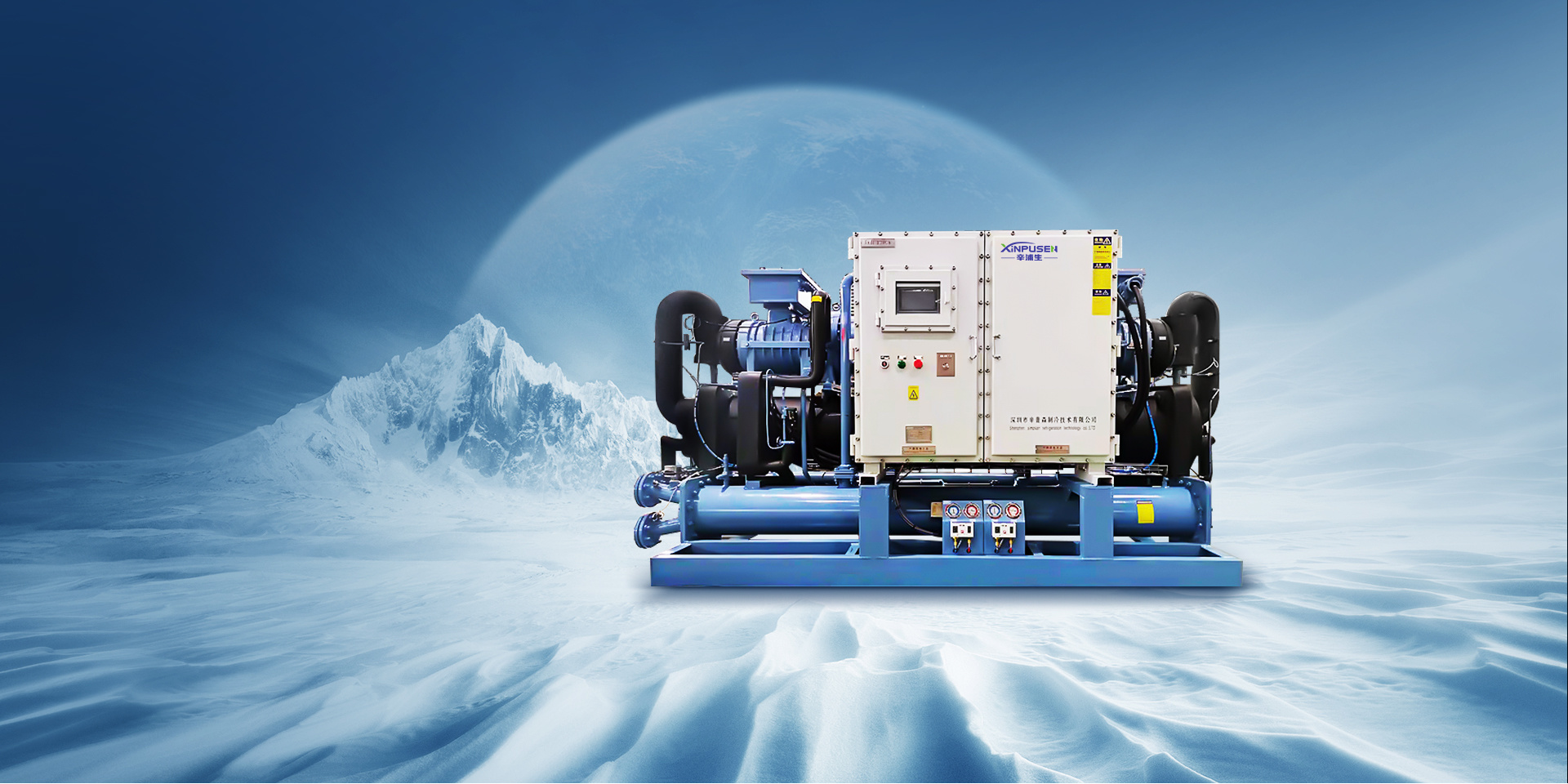
For products, we are seekers of perfection and excellence

Follow Simpson for the latest news

If you have any needs or suggestions, please contact us
 CN
CN EN
EN
News and Information
Follow Simpson for the latest news
Understanding Water Temperature Control Systems in Industrial Cooling Applications
2026-06-01 13:20
At its core, a water temperature control system integrates several components, including chillers, pumps, and sensors. Chillers are responsible for removing heat from the water, maintaining a consistent temperature for the cooling process. Pumps circulate the chilled water through the system, ensuring even distribution and efficient cooling. Meanwhile, sensors monitor the water temperature, providing real-time data to ensure that the system operates within the desired parameters.
The importance of a water temperature control system cannot be overstated. For instance, in manufacturing processes, an incorrect water temperature can lead to defects in products or even equipment failure. Additionally, in sectors such as pharmaceuticals and food processing, maintaining strict temperature controls is essential to meet safety regulations and quality standards. Thus, investing in an effective temperature control system can significantly reduce the risk of operational downtime and enhance overall productivity.
Moreover, these systems offer energy efficiency benefits. By closely monitoring and adjusting the water temperature, businesses can reduce energy consumption, leading to lower operational costs. This not only contributes to a company's bottom line but also supports sustainability efforts by minimizing energy waste.
When selecting a water temperature control system, it's crucial to consider the specific needs of your operations. Factors such as the type of machinery, the cooling requirements, and the operational environment should guide your choice. Customization options are often available, allowing you to tailor the system to your specific requirements for optimal performance.
In conclusion, a water temperature control system is an indispensable element in industrial cooling. By ensuring precise temperature management, these systems enhance operational efficiency, safeguard product quality, and contribute to cost savings. For industries reliant on precise environmental control, investing in a reliable water temperature control system is not just beneficial but essential for achieving long-term success.
Previous: How a Water Temperature Control System Enhances Industrial Cooling
More Information

2026-07-22
How Low Temperature Refrigeration Systems Enhance Industrial Efficiency

2026-07-15
Understanding Low Temperature Refrigeration Systems: A Comprehensive Guide
2026-07-08

2026-07-01
Exploring Ultra Low Temperature Chillers: Innovations and Applications in Industrial Cooling
2026-07-22
How Low Temperature Refrigeration Systems Enhance Industrial Efficiency
Subscribe to our instant updates
Providing energy-efficient and innovative solutions for global industrial development

No. 26, Xin Yuan South Road, Shalu, Tangxia Town,Dongguan City, Guangdong Province; Building 1, Yongsheng Technology Industrial Park
0755-21017010
189-2749-0225
0755-23771793

Scan to add WeChat
© COPYRIGHT 2024 Shenzhen Xinpusen Refrigeration Technology Co., Ltd. ALL RIGHTS RESERVED Powered by www.300.cn