Shenzhen Simpsons Refrigeration Technology Co., Ltd.





In the global industrial temperature control field, we are pragmatic and innovative pioneers, providing energy-saving and innovative solutions for global industrial development, which is our ideal pursuit of hard work.

Focusing on the field of industrial temperature control, let China's energy-saving solutions nourish the world
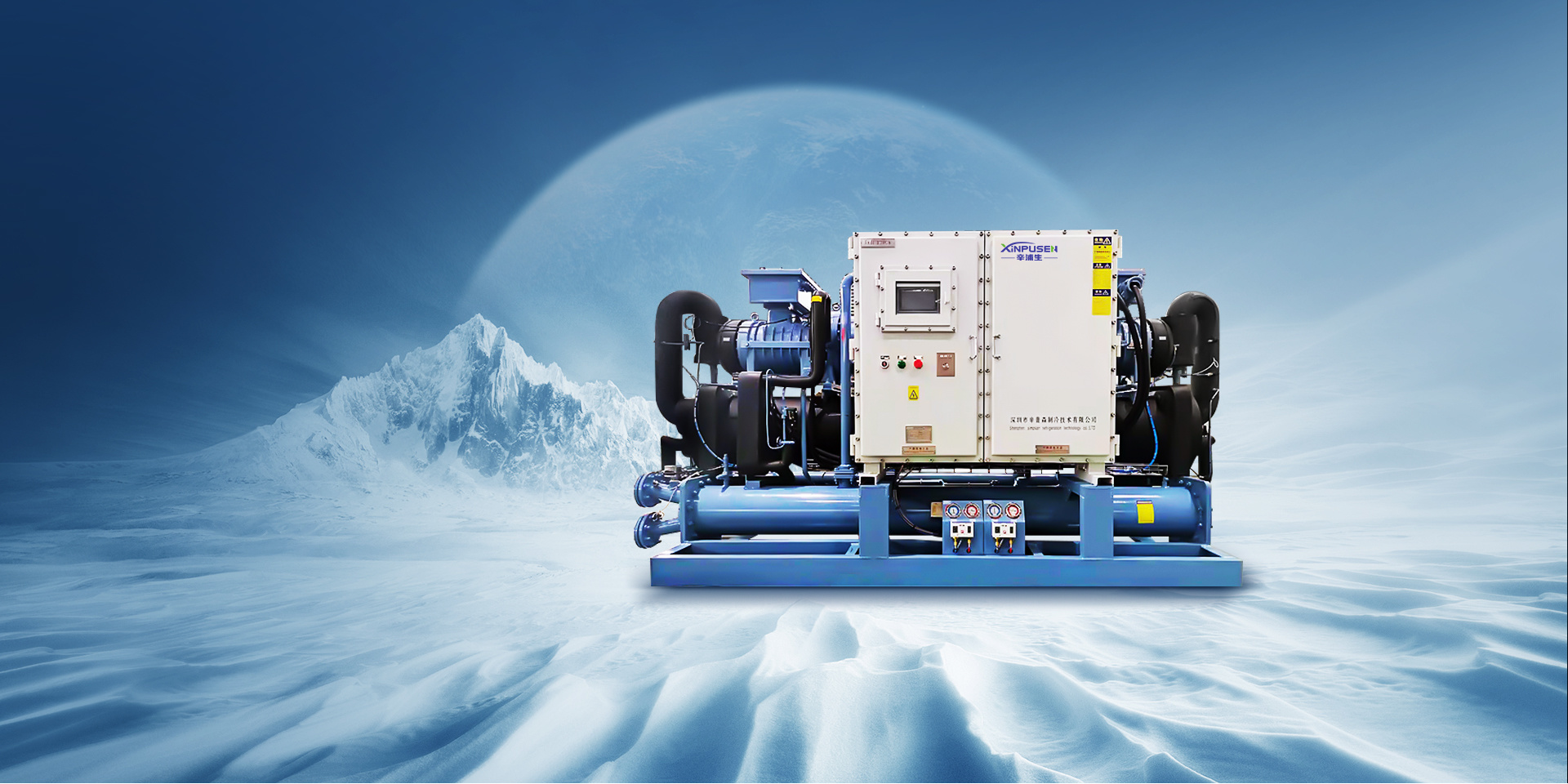
For products, we are seekers of perfection and excellence

Follow Simpson for the latest news

If you have any needs or suggestions, please contact us
 CN
CN EN
EN
News and Information
Follow Simpson for the latest news
Achieving Optimal Efficiency with a Water Temperature Control System: The Key to Enhanced Industrial Performance
2026-05-25 14:20
Achieving Optimal Efficiency with a Water Temperature Control System
Table of Contents
- 1. Introduction to Water Temperature Control Systems
- 2. The Importance of Water Temperature Control in Industrial Applications
- 3. Types of Water Temperature Control Systems
- 4. Key Components of Effective Control Systems
- 5. Benefits of Implementing a Water Temperature Control System
- 6. Enhancing Energy Efficiency with Temperature Control
- 7. Best Practices for Optimal System Performance
- 8. Common Issues and Solutions in Temperature Control
- 9. Conclusion
- 10. Frequently Asked Questions
1. Introduction to Water Temperature Control Systems
In the realm of industrial equipment and components, the significance of maintaining optimal water temperatures cannot be overstated. A water temperature control system is designed to monitor and adjust the temperature of water circulating within cooling systems, ensuring that processes remain efficient and reliable. By effectively managing temperature, industries can enhance overall performance, minimize energy consumption, and prolong the lifespan of critical equipment.
2. The Importance of Water Temperature Control in Industrial Applications
Water temperature control systems play a pivotal role in various sectors, including manufacturing, food processing, and chemical production. Maintaining the right temperature is crucial for numerous reasons:
- **Product Quality**: Inconsistent temperatures can lead to defects in products, particularly in sensitive processes like food processing and chemical reactions.
- **Equipment Longevity**: Overheating can cause wear and tear on machinery, leading to premature failures and costly downtime.
- **Energy Conservation**: Efficient temperature management reduces energy consumption, leading to significant cost savings.
- **Safety**: Proper temperature control ensures that systems operate within safe limits, preventing accidents and hazards.
3. Types of Water Temperature Control Systems
There are several types of water temperature control systems available, each designed to meet specific industrial needs. Understanding these systems can help companies choose the right one for their operations:
3.1. Chilled Water Systems
Chilled water systems are commonly used in large-scale cooling applications, facilitating temperature control through a cooling tower and a chiller. These systems circulate chilled water to various processes, effectively maintaining desired temperatures.
3.2. Hot Water Systems
Hot water systems focus on heating water to specific temperatures for processes that require warmth. These systems are often used in industries such as food processing and pharmaceutical manufacturing.
3.3. Glycol-based Systems
Glycol-based cooling systems use a mixture of water and glycol to achieve lower temperatures without freezing. This is particularly useful in environments exposed to extremely low temperatures.
4. Key Components of Effective Control Systems
To achieve optimal efficiency, understanding the key components of a water temperature control system is essential:
4.1. Temperature Sensors
Temperature sensors play a crucial role in detecting current water temperatures and providing data for adjustments. High-quality sensors ensure accuracy and reliability.
4.2. Control Valves
Control valves regulate the flow of water based on temperature readings. They can automatically open or close to maintain desired temperatures, enhancing efficiency.
4.3. Pumps
Pumps circulate water throughout the system, ensuring even distribution and maintaining consistent temperatures across all components.
4.4. Control Panels
Control panels house the system's controls and monitoring equipment. They provide a user interface for operators and allow for manual adjustments when necessary.
5. Benefits of Implementing a Water Temperature Control System
Investing in a water temperature control system offers numerous advantages:
5.1. Cost Savings
Reduced energy consumption translates to lower utility bills, making these systems a cost-effective solution in the long run.
5.2. Improved Process Efficiency
Consistent temperature management leads to smoother operations, minimizing disruptions and enhancing productivity.
5.3. Enhanced Product Quality
By maintaining optimal temperatures, industries can ensure their products meet quality standards, reducing waste and rework.
5.4. Reduced Environmental Impact
Efficient systems consume less energy, leading to a lower carbon footprint and contributing to sustainability efforts.
6. Enhancing Energy Efficiency with Temperature Control
Energy efficiency is a top priority in today's industrial landscape. Implementing a water temperature control system can dramatically enhance energy efficiency through:
6.1. Real-time Monitoring
Advanced systems offer real-time monitoring, enabling operators to respond quickly to fluctuations and reduce energy waste.
6.2. Automated Adjustments
Automatic adjustments based on sensor data help maintain efficiency without manual intervention, reducing labor costs and human error.
6.3. Integration with Building Management Systems
Integrating temperature control systems with building management systems allows for holistic energy management, optimizing overall energy usage across facilities.
7. Best Practices for Optimal System Performance
To maximize the benefits of a water temperature control system, consider these best practices:
7.1. Regular Maintenance
Regular maintenance checks ensure that all components function optimally, preventing breakdowns and enhancing system reliability.
7.2. Calibration of Sensors
Periodic calibration of temperature sensors is essential for accuracy. Faulty sensors can lead to incorrect readings and inefficient operations.
7.3. Staff Training
Investing in training for staff ensures that they understand the system's operations and can respond effectively to any issues.
7.4. System Upgrades
Stay informed about technological advancements and consider upgrading to more efficient systems as they become available.
8. Common Issues and Solutions in Temperature Control
While water temperature control systems are generally reliable, they can encounter issues. Here are some common problems and their solutions:
8.1. Inaccurate Temperature Readings
Inaccurate readings can result from faulty sensors or poor calibration. Regular checks and replacements can rectify this issue.
8.2. Fluctuating Temperatures
Fluctuations may indicate valve malfunctions or insufficient flow. Inspecting and servicing these components can restore stability.
8.3. High Energy Costs
If energy costs are rising, it may signal inefficiency in the system. Conducting an energy audit can identify areas for improvement.
9. Conclusion
Achieving optimal efficiency with a water temperature control system is not just a matter of convenience; it is essential for the operational success of industrial facilities. By investing in high-quality systems and adhering to best practices, industries can enjoy improved product quality, reduced energy costs, and enhanced equipment longevity. The importance of precise temperature management cannot be overstated, as it directly impacts both financial outcomes and environmental sustainability. Embrace temperature control today for a more efficient and productive industrial future.
10. Frequently Asked Questions
10.1. What is a water temperature control system?
A water temperature control system regulates and maintains the temperature of water used in industrial processes, ensuring optimal performance and efficiency.
10.2. How does temperature control impact energy consumption?
Effective temperature control systems reduce energy consumption by maintaining consistent temperatures, avoiding unnecessary heating or cooling.
10.3. What industries benefit from water temperature control systems?
Industries such as manufacturing, food processing, pharmaceuticals, and chemical production benefit significantly from effective water temperature control.
10.4. How often should temperature control systems be maintained?
Regular maintenance should be scheduled at least once a year, with more frequent checks for critical components like sensors and valves.
10.5. Can temperature control systems be integrated with existing systems?
Yes, many modern temperature control systems can be integrated with existing building and management systems to enhance overall efficiency.
Previous: Understanding Water Temperature Control Systems in Industrial Cooling Applications
More Information

2026-07-22
How Low Temperature Refrigeration Systems Enhance Industrial Efficiency

2026-07-15
Understanding Low Temperature Refrigeration Systems: A Comprehensive Guide
2026-07-08

2026-07-01
Exploring Ultra Low Temperature Chillers: Innovations and Applications in Industrial Cooling
2026-07-22
How Low Temperature Refrigeration Systems Enhance Industrial Efficiency
Subscribe to our instant updates
Providing energy-efficient and innovative solutions for global industrial development

No. 26, Xin Yuan South Road, Shalu, Tangxia Town,Dongguan City, Guangdong Province; Building 1, Yongsheng Technology Industrial Park
0755-21017010
189-2749-0225
0755-23771793

Scan to add WeChat
© COPYRIGHT 2024 Shenzhen Xinpusen Refrigeration Technology Co., Ltd. ALL RIGHTS RESERVED Powered by www.300.cn