Shenzhen Simpsons Refrigeration Technology Co., Ltd.





In the global industrial temperature control field, we are pragmatic and innovative pioneers, providing energy-saving and innovative solutions for global industrial development, which is our ideal pursuit of hard work.

Focusing on the field of industrial temperature control, let China's energy-saving solutions nourish the world
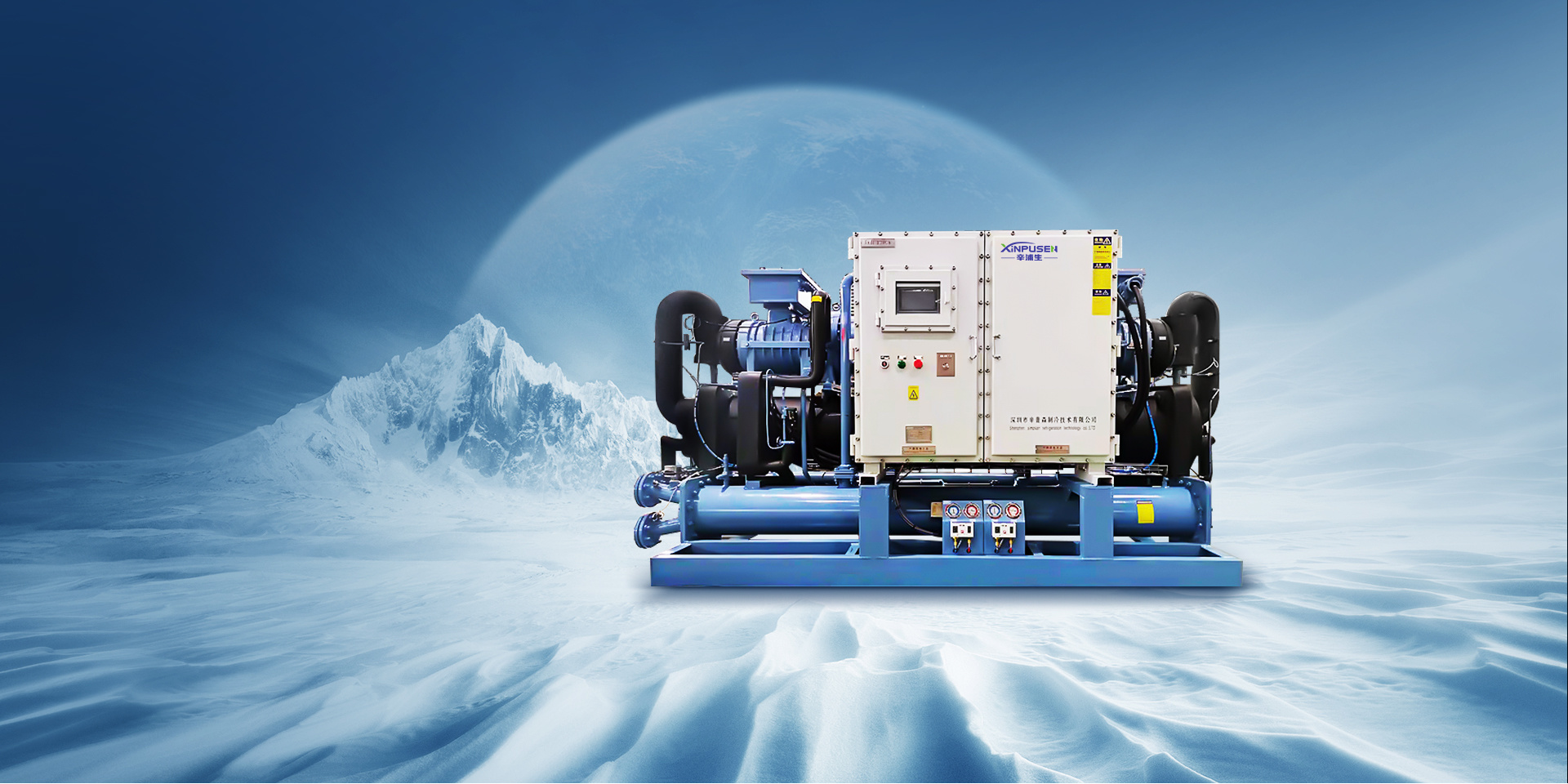
For products, we are seekers of perfection and excellence

Follow Simpson for the latest news

If you have any needs or suggestions, please contact us
 CN
CN EN
EN
News and Information
Follow Simpson for the latest news
Understanding Low Temperature Cooling Systems: A Comprehensive Guide
2026-05-18 13:00
The core principle of a low temperature cooling system lies in its ability to extract heat from a process or environment and dissipate it effectively. This is typically achieved through advanced refrigeration cycles that utilize specialized refrigerants designed to function efficiently at lower temperatures. The technology involved often includes components such as evaporators, condensers, expansion valves, and compressors, all working in unison to achieve desired cooling effects.
One of the critical factors in designing and implementing a low temperature cooling system is understanding the specific requirements of the application. For instance, in the food industry, maintaining a consistent low temperature is vital to prevent spoilage and ensure product quality. In pharmaceutical manufacturing, precise temperature control is crucial for the stability of sensitive compounds. Therefore, selecting the right cooling system involves evaluating various factors, such as the required temperature range, the heat load of the process, and the overall efficiency of the cooling solution.
Another important aspect to consider is the energy efficiency of low temperature cooling systems. With rising energy costs and increasing environmental regulations, many industries are seeking ways to reduce their energy consumption. Modern low temperature cooling systems often incorporate energy-saving technologies, such as variable speed compressors and optimized heat exchangers. These innovations not only reduce operational costs but also minimize the carbon footprint of industrial operations.
Furthermore, regular maintenance of low temperature cooling systems is essential to ensure their longevity and efficiency. Neglecting maintenance can lead to increased energy consumption, premature component failure, and compromised system performance. Establishing a routine maintenance schedule and monitoring system performance can help identify potential issues before they escalate, ultimately saving time and resources.
In conclusion, low temperature cooling systems play a vital role in industries that require careful temperature management. By understanding their operational principles, applications, and maintenance needs, businesses can optimize their processes and ensure the quality of their products. As technology continues to advance, the potential for even more efficient and effective low temperature cooling solutions will only grow, further enhancing industrial capabilities.
Previous: Achieving Optimal Efficiency with a Water Temperature Control System: The Key to Enhanced Industrial Performance
More Information

2026-07-01
Exploring Ultra Low Temperature Chillers: Innovations and Applications in Industrial Cooling
2026-06-24
Why Your Industrial Operations Need an Ultra Low Temperature Chiller
2026-06-08
How a Water Temperature Control System Enhances Industrial Cooling

2026-06-01
Understanding Water Temperature Control Systems in Industrial Cooling Applications
2026-07-01
Exploring Ultra Low Temperature Chillers: Innovations and Applications in Industrial Cooling
Subscribe to our instant updates
Providing energy-efficient and innovative solutions for global industrial development

Shenzhen Longhua District, Huan Guan South Road, Mayuan Industrial Zone, XINPUSEN Industrial Park
0755-21017010
189-2749-0225
0755-23771793

Scan to add WeChat
© COPYRIGHT 2024 Shenzhen Xinpusen Refrigeration Technology Co., Ltd. ALL RIGHTS RESERVED Powered by www.300.cn