Shenzhen Simpsons Refrigeration Technology Co., Ltd.




In the global industrial temperature control field, we are pragmatic and innovative pioneers, providing energy-saving and innovative solutions for global industrial development, which is our ideal pursuit of hard work.

Focusing on the field of industrial temperature control, let China's energy-saving solutions nourish the world
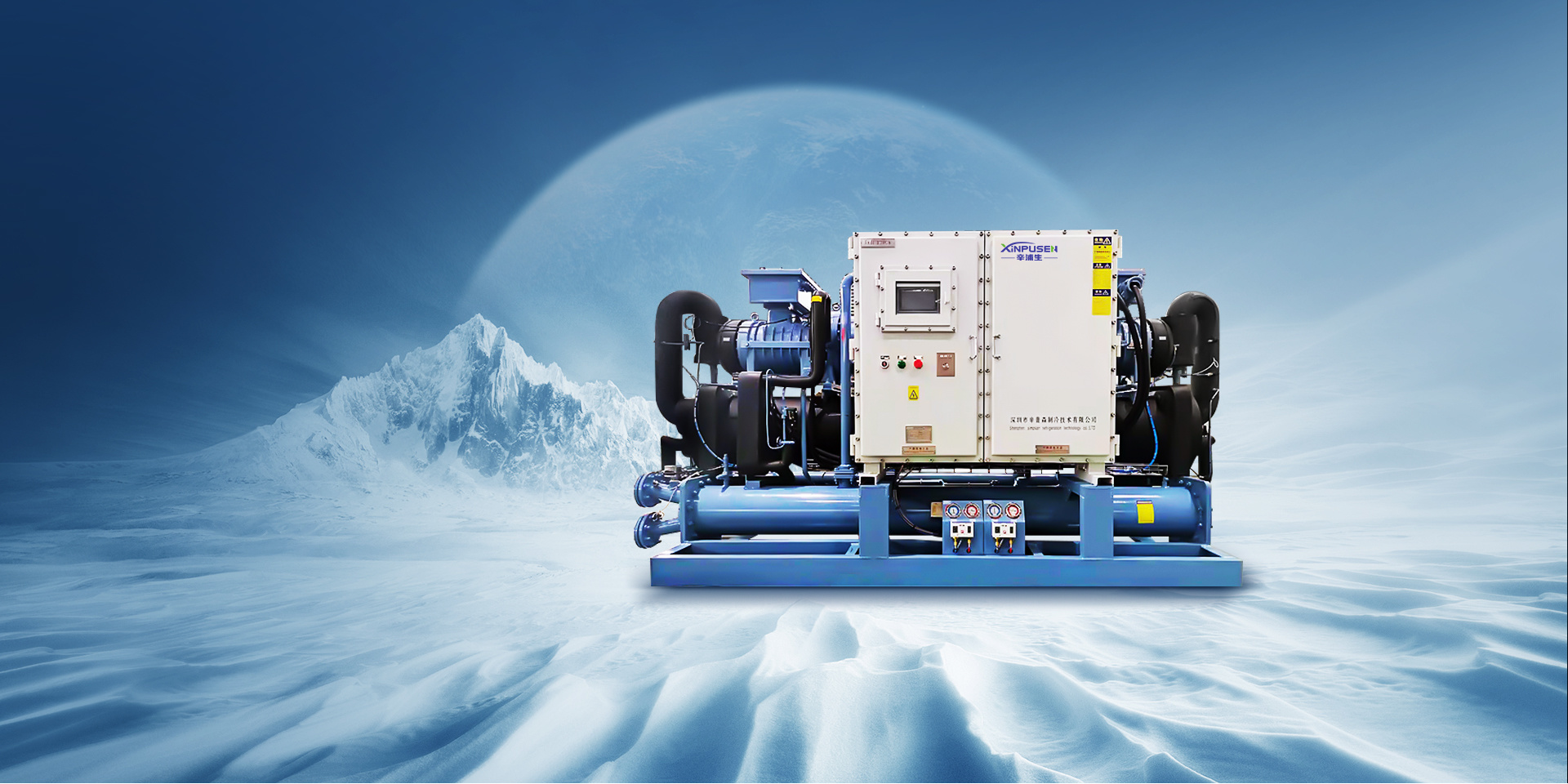
For products, we are seekers of perfection and excellence
Follow Simpson for the latest news

If you have any needs or suggestions, please contact us
 CN
CN EN
EN
News and Information
Follow Simpson for the latest news
The Advantages of Modernizing Your Low Temperature Cooling System for Enhanced Efficiency
2026-05-13 16:29
The Benefits of Upgrading Your Low Temperature Cooling System
In today’s industrial landscape, the efficiency of cooling systems plays a crucial role in operational success. Many facilities rely on low temperature cooling systems to maintain optimal conditions for their processes. However, over time, these systems can become outdated or inefficient. Upgrading your low temperature cooling system can lead to significant advantages, including energy savings, improved reliability, and enhanced performance. In this article, we will explore the myriad benefits of modernizing your cooling systems and why it’s an investment worth considering.
Table of Contents
- Understanding Low Temperature Cooling Systems
- Signs Your System Needs Upgrading
- Benefits of Upgrading Your Cooling System
- Energy Efficiency
- Reduced Operational Costs
- Increased Reliability
- Enhanced Performance
- Sustainability and Environmental Impact
- Choosing the Right Upgrade for Your Cooling System
- Best Practices for Installation and Maintenance
- Case Study: Successful Cooling System Upgrades
- Frequently Asked Questions
Understanding Low Temperature Cooling Systems
Low temperature cooling systems are essential components in various industrial applications, including chemical processing, food production, and data centers. These systems are designed to remove heat from equipment or processes to maintain optimal operating conditions. They operate at lower temperatures compared to standard cooling systems, making them ideal for processes that require precise temperature control.
The primary components of a low temperature cooling system typically include:
- **Compressors:** These are responsible for compressing the refrigerant to increase its pressure and temperature.
- **Evaporators:** They absorb heat from the environment, allowing the refrigerant to evaporate and cool the surroundings.
- **Condenser Units:** These cool the refrigerant after it has absorbed heat, returning it to a liquid state.
- **Expansion Valves:** They regulate the flow of refrigerant into the evaporator.
Understanding the function of each component helps in recognizing the importance of ensuring they operate efficiently.
Signs Your System Needs Upgrading
Recognizing when it’s time to upgrade your low temperature cooling system can save you from costly downtime and repairs. Some common signs that indicate the need for an upgrade include:
- **Frequent Breakdowns:** If your system experiences frequent malfunctions, it may be time for an upgrade.
- **Rising Energy Costs:** An increase in energy bills without a corresponding rise in production may signal inefficiencies in your system.
- **Inconsistent Temperature Control:** If your system struggles to maintain desired temperatures, it may not be operating at peak efficiency.
- **Aging Equipment:** Systems over 10-15 years old may not meet current efficiency standards or technological advancements.
- **Environmental Regulations:** Changes in regulations may require you to upgrade to more environmentally friendly systems.
Benefits of Upgrading Your Cooling System
Upgrading your low temperature cooling system offers several benefits that can improve your overall operations. Let’s delve into these advantages in more detail.
Energy Efficiency
One of the most significant advantages of upgrading your cooling system is enhanced **energy efficiency**. Modern systems utilize advanced technologies, such as variable speed drives and high-efficiency compressors, which significantly reduce energy consumption. By lowering the overall energy usage, facilities can achieve substantial cost savings and reduce their environmental footprint.
Reduced Operational Costs
With improved energy efficiency comes **reduced operational costs**. Upgrading to a more efficient cooling system can lead to lower utility bills, but operational costs can also decrease through decreased maintenance requirements. Modern systems are designed to be more reliable and require less frequent repairs, saving time and money over the long term.
Increased Reliability
An upgraded cooling system typically boasts enhanced **reliability**. Newer technologies are designed to minimize breakdowns and extend the lifespan of the system. This reliability translates to fewer interruptions in production and a more stable operational environment, which is crucial for any facility.
Enhanced Performance
Upgrading your cooling system can also lead to **enhanced performance**. Modern systems can maintain consistent temperatures more effectively, improving product quality and operational efficiency. This performance improvement is particularly important in industries where precise temperature control is vital, such as pharmaceuticals and food processing.
Sustainability and Environmental Impact
Today, businesses are increasingly focusing on sustainability. Upgrading your cooling system can contribute to your sustainability goals by using environmentally friendly refrigerants and consuming less energy. This not only meets regulatory requirements but also enhances your corporate image as a responsible entity committed to environmental stewardship.
Choosing the Right Upgrade for Your Cooling System
Selecting the right cooling system upgrade is crucial to maximizing the benefits. Consider the following factors when making your decision:
- **Assess Your Needs:** Evaluate your current cooling requirements and future goals. Consider factors like production volume, temperature sensitivity, and available space.
- **Research Technologies:** Look into the latest advancements in cooling technology, such as energy-efficient compressors, smart controls, and innovative refrigerants.
- **Consult with Experts:** Engaging with HVAC professionals can provide insights into the best options for your specific application.
- **Determine Budget:** Establish a budget that allows for a suitable upgrade while considering the long-term savings you can achieve.
Best Practices for Installation and Maintenance
After selecting your new cooling system, ensuring proper installation and maintenance is vital for optimal performance. Follow these best practices:
- **Hire Qualified Professionals:** Always work with certified professionals for the installation process to ensure it meets all safety and efficiency standards.
- **Regular Maintenance:** Schedule routine maintenance checks to keep your system running smoothly. This includes cleaning components, checking refrigerant levels, and inspecting electrical systems.
- **Monitor Performance:** Utilize monitoring systems to track performance metrics and identify any potential issues early on.
- **Train Staff:** Educate your staff on the proper operation and monitoring of the cooling system to maximize efficiency.
Case Study: Successful Cooling System Upgrades
To illustrate the benefits of upgrading a low temperature cooling system, let’s consider a case study involving a food processing facility. This facility struggled with rising energy costs and inconsistent temperature control due to an aging cooling system.
After conducting an evaluation, they decided to upgrade to a new energy-efficient cooling system equipped with advanced temperature control technology. The results were remarkable:
- **Energy Savings:** The facility reduced energy consumption by 30%, leading to significant cost savings.
- **Improved Product Quality:** Enhanced temperature stability resulted in fewer product defects, improving overall product quality.
- **Lower Maintenance Costs:** The new system required less frequent maintenance, allowing staff to focus on core operations rather than repairs.
This case underscores the tangible benefits that come with upgrading cooling systems.
Frequently Asked Questions
1. How often should I upgrade my low temperature cooling system?
It’s advisable to evaluate your cooling system every 10-15 years or whenever you notice performance issues or rising operational costs.
2. What are the signs of an inefficient cooling system?
Signs include frequent breakdowns, rising energy bills, inconsistent temperatures, and equipment age.
3. Can I upgrade my existing cooling system instead of replacing it?
Depending on the system’s condition, certain components can be upgraded to improve efficiency without a complete replacement.
4. What are the environmental benefits of upgrading my cooling system?
Modern systems often use eco-friendly refrigerants and consume less energy, reducing your environmental impact.
5. Is it worth the investment to upgrade my cooling system?
Yes, the long-term savings in energy costs, improved reliability, and enhanced performance make upgrading a smart financial decision.
Conclusion
Upgrading your low temperature cooling system represents a significant opportunity for improving operational efficiency, ensuring reliable performance, and reducing costs. By embracing modern technologies and practices, businesses not only enhance their productivity but also contribute to a more sustainable future.
Taking the time to evaluate, select, and install an upgraded system can lead to tangible benefits, making the investment worthwhile. Whether you are driven by the need for energy efficiency, reduced operational costs, or improved product quality, upgrading your cooling system is a step toward achieving your goals in today’s competitive industrial environment.
Previous: Top Features to Look for in an Air-Cooled Industrial Chiller
More Information

2026-07-22
How Low Temperature Refrigeration Systems Enhance Industrial Efficiency

2026-07-15
Understanding Low Temperature Refrigeration Systems: A Comprehensive Guide
2026-07-08

2026-07-01
Exploring Ultra Low Temperature Chillers: Innovations and Applications in Industrial Cooling
2026-07-22
How Low Temperature Refrigeration Systems Enhance Industrial Efficiency
Subscribe to our instant updates
Providing energy-efficient and innovative solutions for global industrial development

No. 26, Xin Yuan South Road, Shalu, Tangxia Town,Dongguan City, Guangdong Province; Building 1, Yongsheng Technology Industrial Park
0755-21017010
189-2749-0225
0755-23771793

Scan to add WeChat
© COPYRIGHT 2024 Shenzhen Xinpusen Refrigeration Technology Co., Ltd. ALL RIGHTS RESERVED Powered by www.300.cn