Shenzhen Simpsons Refrigeration Technology Co., Ltd.





In the global industrial temperature control field, we are pragmatic and innovative pioneers, providing energy-saving and innovative solutions for global industrial development, which is our ideal pursuit of hard work.

Focusing on the field of industrial temperature control, let China's energy-saving solutions nourish the world
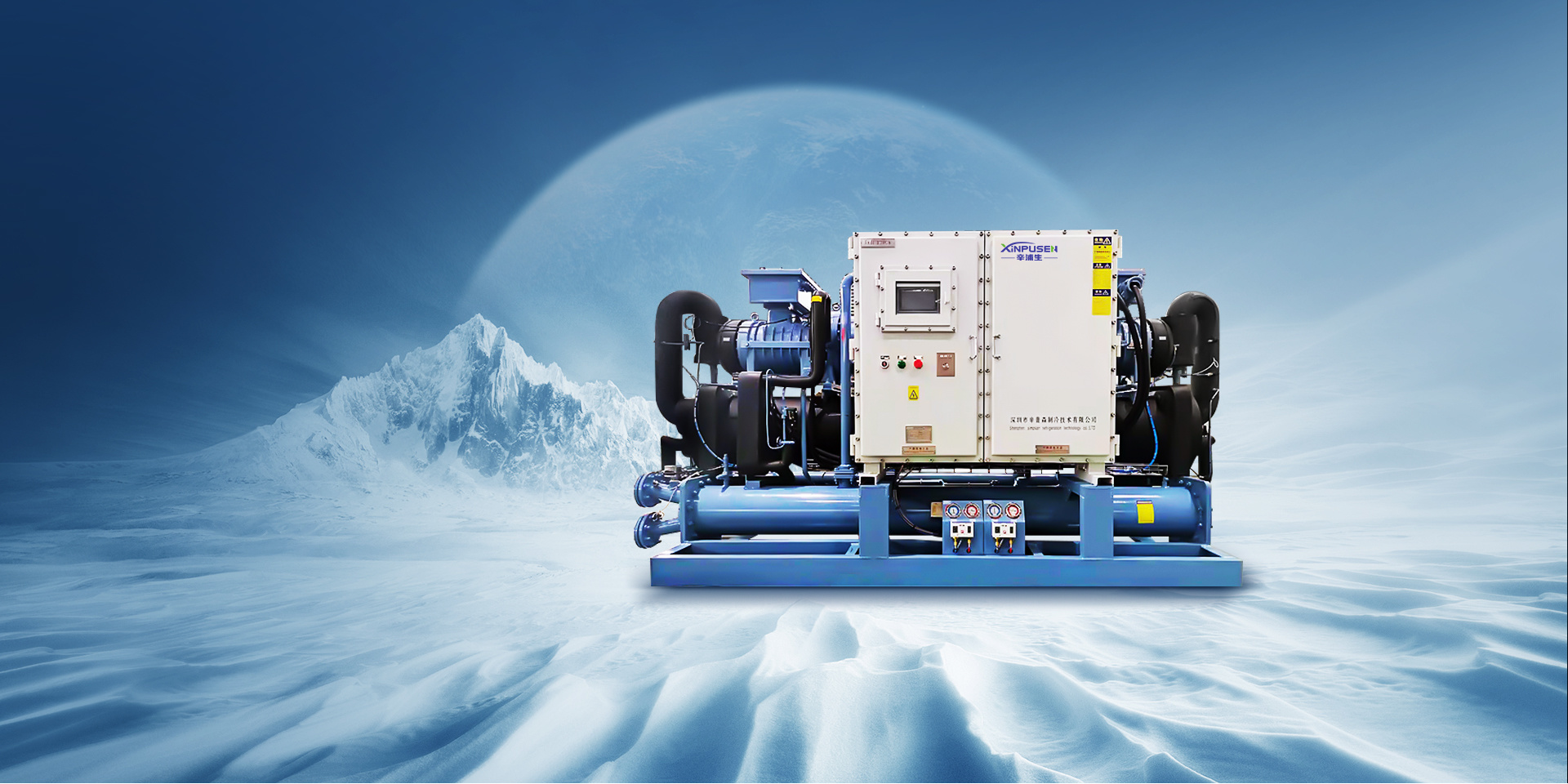
For products, we are seekers of perfection and excellence

Follow Simpson for the latest news

If you have any needs or suggestions, please contact us
 CN
CN EN
EN
News and Information
Follow Simpson for the latest news
Top Features to Look for in an Air-Cooled Industrial Chiller
2026-05-14 11:23
Top Features to Look for in an Air-Cooled Industrial Chiller
In today’s industrial landscape, choosing the right air-cooled industrial chiller can significantly impact your operational efficiency and bottom line. As industries evolve, their cooling requirements become more complex, demanding chillers that not only maintain optimal temperatures but also enhance energy efficiency and reliability. In this article, we explore the **top features to look for in an air-cooled industrial chiller** to ensure you make an informed choice. From energy efficiency ratings to advanced controls, each feature plays a crucial role in the performance of your cooling system.
Table of Contents
- 1. Understanding Air-Cooled Industrial Chillers
- 2. Importance of Energy Efficiency
- 3. Reliability and Durability
- 4. Advanced Control Systems
- 5. Compact Design and Installation Flexibility
- 6. Low Maintenance Requirements
- 7. Environmental Impact and Sustainability
- 8. Safety Features and Compliance
- 9. FAQs
- 10. Conclusion
1. Understanding Air-Cooled Industrial Chillers
Air-cooled industrial chillers are essential components in cooling systems for various applications, including manufacturing, pharmaceuticals, and food processing. They operate by removing heat from a liquid via vapor-compression or absorption refrigeration cycles. Unlike water-cooled chillers, which require cooling towers, air-cooled chillers use ambient air to dissipate heat, making them more suitable for locations with water scarcity or where cooling tower installation is impractical.
2. Importance of Energy Efficiency
One of the **most critical features** to consider when selecting an air-cooled industrial chiller is **energy efficiency**. Chillers that meet or exceed industry energy standards can significantly reduce operational costs.
Look for models with a high **Energy Efficiency Ratio (EER)** or **Seasonal Energy Efficiency Ratio (SEER)**. These ratings indicate how efficiently a chiller converts energy into cooling. Moreover, energy-efficient models often incorporate features like variable-speed compressors and enhanced heat exchangers, which further optimize performance.
3. Reliability and Durability
In industrial settings, equipment reliability is paramount. A reliable air-cooled chiller minimizes downtime and maintenance costs. Consider chillers designed with robust materials and components that can withstand harsh environmental conditions.
Furthermore, look for units with **long-life refrigerants** and **corrosion-resistant casings**. These features enhance durability and ensure that the chiller remains operational even under demanding circumstances.
4. Advanced Control Systems
The integration of smart technology in industrial chillers is becoming increasingly important. Advanced control systems enable better monitoring and management of cooling operations. Features such as **touchscreen displays**, **remote monitoring capabilities**, and **automated alerts** can streamline operations and enhance efficiency.
These controls allow operators to adjust settings in real time, resulting in improved thermal performance and reduced energy consumption. Additionally, some systems offer predictive maintenance capabilities, alerting you to potential issues before they escalate.
5. Compact Design and Installation Flexibility
With limited space being a common challenge in many industrial facilities, a **compact design** is a highly desirable feature when selecting an air-cooled chiller. Models that offer a smaller footprint can be easily integrated into existing setups without requiring extensive modifications.
Installation flexibility is also crucial. Choose chillers designed for quick installation and setup, which can save both time and money. Units that can operate in a variety of orientations (e.g., vertical or horizontal) offer additional adaptability.
6. Low Maintenance Requirements
Maintenance costs can accumulate quickly, making it essential to choose a chiller that requires minimal upkeep. Look for features such as **self-diagnostic systems** and **removable filters** that facilitate easy maintenance. Regular maintenance should be straightforward and not time-consuming to ensure your chiller operates optimally throughout its lifespan.
Additionally, some models come with extended warranties and service plans to provide peace of mind and protect your investment.
7. Environmental Impact and Sustainability
In an era where sustainability is critical, selecting an environmentally friendly air-cooled chiller is essential. Look for units that utilize **low-GWP (Global Warming Potential) refrigerants**. These refrigerants have a lesser environmental impact compared to traditional options.
Moreover, energy-efficient systems contribute to reduced carbon footprints, aligning your operations with global sustainability goals. Manufacturers that emphasize eco-friendly practices in their production processes also indicate a commitment to environmental stewardship.
8. Safety Features and Compliance
Safety is non-negotiable in industrial settings. Ensure the air-cooled chiller you choose comes with built-in safety features, such as **pressure relief valves**, **temperature sensors**, and **emergency shut-off systems**. These features help mitigate risks associated with equipment malfunction.
Additionally, verify that the chiller complies with relevant safety standards and regulations, including those set by organizations like ASHRAE and the EPA. Compliance indicates that the equipment has been tested and meets safety and operational guidelines.
9. FAQs
What is the average lifespan of an air-cooled industrial chiller?
The average lifespan of an air-cooled industrial chiller ranges from 15 to 20 years, depending on factors such as maintenance, operational conditions, and usage frequency.
How do I determine the right size chiller for my facility?
To determine the right size chiller, calculate your facility's cooling load requirements, considering factors such as peak heat loads, process requirements, and the ambient environment. Consulting with an HVAC professional can also provide tailored recommendations.
Are there any energy incentives available for upgrading to energy-efficient chillers?
Many regions offer energy incentives or rebates for businesses that upgrade to energy-efficient chillers. Check with local utility companies or government programs to explore available incentives.
What maintenance tasks should I perform on my air-cooled chiller?
Regular maintenance tasks include cleaning or replacing filters, checking refrigerant levels, inspecting electrical components, and ensuring that all safety features are operational. It's advisable to schedule professional inspections annually.
Can I install an air-cooled chiller outdoors?
Yes, air-cooled chillers are designed to be installed outdoors, but it's important to consider factors such as airflow, weather protection, and local climate conditions when selecting a location for installation.
10. Conclusion
Selecting the right air-cooled industrial chiller is a crucial decision that impacts your operational efficiency, energy costs, and overall sustainability. By understanding the **top features to look for**, including energy efficiency, reliability, advanced controls, and compliance with safety standards, you can make an informed choice that aligns with your industrial needs. Investing in a high-quality chiller will not only optimize your cooling operations but also contribute to a more sustainable and cost-effective future.
Previous: Understanding Low Temperature Cooling Systems: A Comprehensive Guide
More Information

2026-07-22
How Low Temperature Refrigeration Systems Enhance Industrial Efficiency

2026-07-15
Understanding Low Temperature Refrigeration Systems: A Comprehensive Guide
2026-07-08

2026-07-01
Exploring Ultra Low Temperature Chillers: Innovations and Applications in Industrial Cooling
2026-07-22
How Low Temperature Refrigeration Systems Enhance Industrial Efficiency
Subscribe to our instant updates
Providing energy-efficient and innovative solutions for global industrial development

No. 26, Xin Yuan South Road, Shalu, Tangxia Town,Dongguan City, Guangdong Province; Building 1, Yongsheng Technology Industrial Park
0755-21017010
189-2749-0225
0755-23771793

Scan to add WeChat
© COPYRIGHT 2024 Shenzhen Xinpusen Refrigeration Technology Co., Ltd. ALL RIGHTS RESERVED Powered by www.300.cn